

Fire safety is a cornerstone of modern building management, especially in regions like Saudi Arabia, where Civil Defense regulations strictly mandate functional fire alarm systems. A fire alarm system is not just a legal requirement; it’s a critical life safety mechanism designed to detect fires early, alert occupants, and coordinate an effective response. Understanding the components of these systems is vital for property owners, facility managers, and safety professionals.
Fire alarm systems integrate multiple devices that work in harmony. These include fire detection devices, manual call points, notification appliances, and central control panels. While individual components are critical, it’s their coordinated operation that ensures comprehensive protection. In Saudi commercial and industrial environments, sophisticated addressable fire alarm systems are increasingly common, offering precise monitoring and streamlined emergency response.
What Is a Fire Alarm System?
Definition & Core Purpose
A fire alarm system is a network of devices designed to detect fire signatures—like smoke, heat, or gas—and initiate alerts. Unlike suppression systems, it does not extinguish fire but provides the first line of defense by rapidly informing occupants and emergency responders. Effective fire alarm systems protect lives, minimize property loss, and facilitate compliance with building codes.
How Fire Alarm Systems Work: Detection → Alert → Response
At its core, a fire alarm system functions in three stages:
- Detection: Sensors identify signs of fire, such as smoke particles or rapid temperature increases.
- Signal Processing: The fire alarm control panel interprets these signals and determines if an alarm should trigger.
- Notification & Response: Alarms—audible, visual, or both—alert occupants, while some systems simultaneously notify monitoring centers or integrate with sprinklers and building management systems.
This workflow emphasizes the need for proper placement and functionality of each component to avoid false alarms or delayed responses.
Fire Alarm Systems in Saudi Arabia: Mandatory Compliance
Saudi Civil Defense regulations require functional fire alarm systems for nearly all commercial, industrial, and multi-story residential buildings. Approved systems must meet both international standards (like NFPA and EN54) and local code specifications. Non-compliance can lead to failed inspections, fines, and delays in building permits.
Essential Components of a Fire Alarm System
Understanding the building blocks of fire alarm systems helps owners and safety managers select, install, and maintain systems effectively.
Fire Alarm Control Panel (The System Brain)
The fire alarm control panel (FACP) is the heart of the system. It receives input from detection devices and manual call points, interprets the signals, and triggers notification appliances when necessary. Modern control panels can monitor system integrity, identify faults, and log events for review. Advanced panels support addressable fire alarm systems, where each detector has a unique ID, enabling precise localization of an event.
Detectors (Sensors) — Initiating Devices
Detectors are the eyes and ears of a fire alarm system. Common types include:
- Smoke Detectors: Optical or photoelectric sensors detect smoke particles. Ideal for early warning in offices, corridors, and residential spaces.
- Heat Detectors: Rate-of-rise or thermal sensors detect rapid temperature changes, making them suitable for kitchens, garages, and industrial zones.
- Flame or Gas Detectors: Deployed in specialized industrial areas to detect flammable gases or flames, adding a layer of protection where smoke may not be present. Proper selection and placement of detectors are essential to maximize coverage while minimizing false alarms.
Manual Call Points (Pull Stations)
Manual call points empower occupants to initiate alarms when they spot fire hazards. Commonly, these are wall-mounted devices with a glass panel or button. Activation immediately signals the control panel, triggering alarm notification appliances. Regular training ensures occupants know their locations and operation.
Notification Appliances — Sirens, Horns, and Strobes
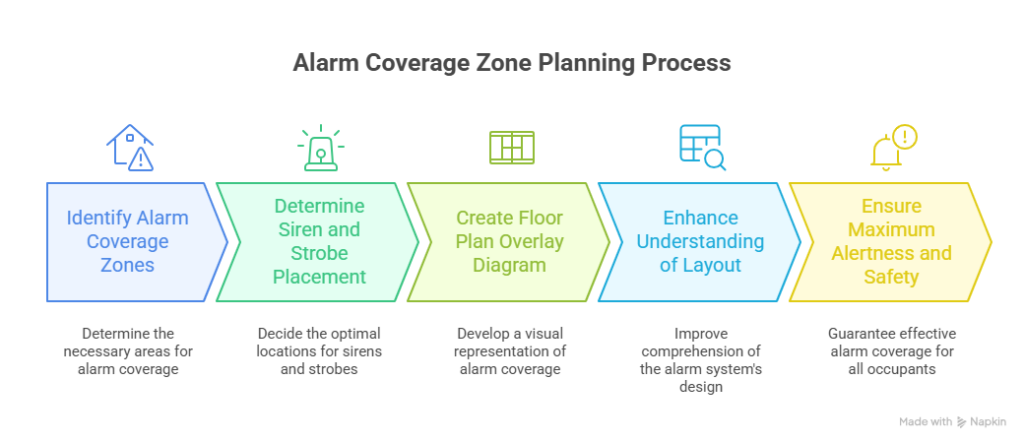
Once a fire is detected, notification appliances alert everyone in the building. Audible alarms like horns and sirens warn through sound, while visual alarms such as strobe lights ensure awareness for occupants with hearing impairments. Placement and coverage are carefully calculated based on building layout and occupancy.
Power Supply & Backup Systems
Fire alarm systems must remain operational during power failures. Primary power comes from the building’s electrical supply, supplemented by backup batteries or generators. Compliance with Saudi regulations often requires at least 24-hour battery backup for smaller systems, and longer for larger installations.
Wiring & Communication Lines
Fire-rated wiring ensures connectivity between all devices and the control panel. In conventional systems, wiring is zoned to detect general areas of activation, whereas addressable systems use digital communication lines to pinpoint the exact device triggered. Proper installation prevents signal loss and enhances system reliability.
Monitoring Interfaces (Optional)
Advanced systems integrate remote monitoring, sending alerts to central stations or mobile apps. This feature is crucial in large commercial buildings or facilities operating around the clock, providing an extra layer of protection and faster emergency response.
Types of Fire Alarm Systems
Conventional Systems
These are zone-based systems where detectors are grouped together. The control panel indicates only the general area of activation. Conventional systems are cost-effective and suitable for smaller buildings but provide less precise location data during an emergency.
Addressable Fire Alarm Systems
Each device has a unique identifier, allowing panels to report the exact location of an incident. This improves emergency response efficiency and simplifies maintenance. Large commercial and industrial buildings in Saudi Arabia increasingly adopt these systems for their accuracy and scalability.
Wireless & Hybrid Systems
Where cabling is difficult or costly, wireless sensors communicate with the control panel via radio. Hybrid systems combine wired and wireless devices to balance reliability with installation flexibility. These systems are particularly useful in historical buildings or temporary installations.
Fire Alarm System Installation: Strategies for Maximum Effectiveness
Installing a fire alarm system is more than simply connecting devices; it requires a strategic approach to ensure optimal performance, safety, and regulatory compliance. Each building has unique characteristics, such as layout, occupancy, and risk factors, that influence the type, number, and placement of fire detection devices and notification appliances. For instance, high-ceilinged industrial spaces demand more sensitive smoke and heat detectors, while residential areas may rely heavily on standard smoke alarms for early warning. The overarching goal is to create a seamless network where every sensor communicates efficiently with the fire alarm control panel, guaranteeing prompt activation in case of a fire.
Proper installation also addresses environmental factors. Detectors must be positioned to avoid false alarms caused by dust, steam, or routine cooking smoke. Similarly, notification appliances need to be audible and visible across all areas, accounting for ambient noise and potential obstructions. In Saudi Arabia, many buildings follow a combination of addressable fire alarm systems for precise monitoring, coupled with strategically placed manual call points for human-initiated alerts.
Integrating Fire Alarms With Other Safety Systems
Modern fire alarm systems do not operate in isolation. For maximum life safety, they are often integrated with other building life safety systems, including sprinklers, emergency lighting, and building management systems. This integration ensures that when a fire is detected, the system can automatically activate suppression mechanisms, unlock emergency exits, and guide occupants safely through pre-defined evacuation routes. Such connectivity is particularly vital in high-rise commercial buildings or industrial facilities, where human response time may be limited.
Addressable systems play a key role in these integrations because each device communicates precise information to the control panel. This allows emergency teams to identify the exact location of a fire within seconds, improving response efficiency and potentially saving lives and property. Facilities managers in Saudi Arabia increasingly rely on these integrated solutions to meet both regulatory requirements and practical safety needs.
Testing and Maintenance: Ensuring Reliability
Even the most advanced fire alarm system is only as reliable as its maintenance practices. Regular testing and inspection are crucial to prevent system failures and false alarms, which can erode occupant trust and violate safety compliance requirements. Monthly visual inspections, annual full-system tests, and periodic calibration of smoke and heat detectors are recommended to maintain optimal performance.
In Saudi Arabia, the Civil Defense mandates that fire alarm systems be maintained according to approved standards, with proper documentation of inspections, faults, and repairs. Backup batteries must be checked frequently to ensure continuous operation during power outages, and notification appliances should be tested for audibility and visibility throughout all building zones. Addressable systems allow technicians to quickly identify malfunctioning devices, streamlining maintenance efforts and minimizing downtime.
Reducing False Alarms: Best Practices
False alarms are a common challenge, particularly in environments with dust, cooking areas, or steam. Frequent false activations not only disrupt operations but can lead to complacency among occupants, undermining overall safety. Proper selection and placement of smoke and heat detectors, coupled with routine cleaning and calibration, are essential steps to minimize false triggers.
Advanced systems incorporate algorithms and sensitivity adjustments to distinguish between harmless environmental factors and genuine fire conditions. Some systems even allow temporary suppression of nuisance alarms during known high-risk periods, such as construction or maintenance work. In commercial buildings in Saudi Arabia, this balance between responsiveness and reliability is critical for maintaining Civil Defense approval and ensuring occupant safety.
Fire Alarm System Integration With Emergency Warning Systems
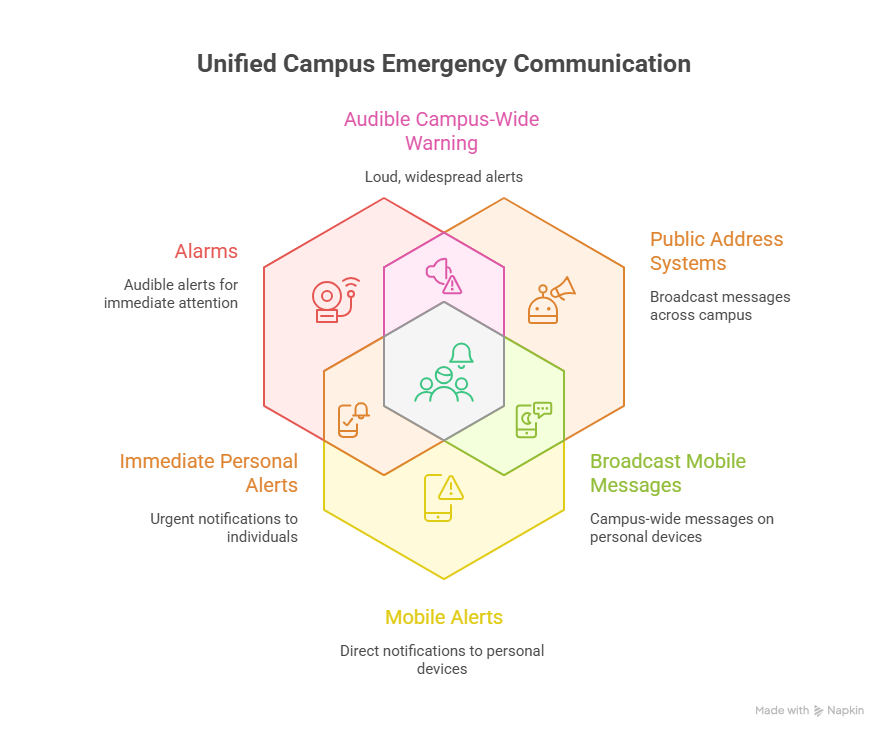
Fire alarm systems often form the backbone of broader emergency warning systems. In large facilities or campuses, alarms can be linked with public address systems, digital signage, and mobile notification applications to guide occupants safely during emergencies. This layered approach reinforces awareness and reduces evacuation times.
Modern emergency warning systems may also interface with fire protection infrastructure, such as sprinkler systems and smoke control mechanisms. By integrating multiple layers of safety measures, facility managers can ensure a coordinated response, minimizing property damage while maximizing occupant protection.
Practical Examples in Saudi Arabia
In Riyadh, Jeddah, and other urban centers, new commercial complexes and high-rise buildings routinely implement addressable fire alarm systems to meet stringent fire safety compliance standards. These systems are often integrated with building management platforms, allowing security and facility teams to monitor alarms remotely and coordinate emergency response efficiently.
For example, a large office tower may deploy hundreds of smoke and heat detectors, dozens of manual call points, and a network of audible and visual alarms connected to a central control panel. The panel continuously monitors all devices, immediately identifying any faults or alarms. Integration with the emergency warning system ensures that occupants receive consistent alerts, while monitoring centers coordinate fire department response, drastically reducing the risk of injury or loss of life.
Residential developments, villas, and smaller commercial properties adopt simpler systems, often conventional smoke and heat detectors with strategically placed sirens and strobes. Even in these contexts, adherence to Saudi Civil Defense regulations is essential to ensure both safety and legal compliance.
Emerging Trends in Fire Alarm System Technology
Fire alarm systems continue to evolve with technological advancements, offering smarter, faster, and more integrated solutions for modern buildings. One notable trend is the adoption of addressable fire alarm systems that leverage digital communication to provide precise location data for every sensor and manual call point. This capability allows emergency responders to pinpoint a fire’s origin almost instantly, significantly reducing response times and potential damage.
Another innovation is the integration of IoT-enabled detectors and cloud-based monitoring platforms. These systems provide real-time alerts to facility managers’ mobile devices and central monitoring stations, allowing for faster decision-making and more efficient management of building safety. In Saudi Arabia, developers are increasingly integrating these systems into commercial complexes, high-rise offices, and industrial facilities to enhance fire protection infrastructure and maintain compliance with Civil Defense regulations.
Artificial intelligence (AI) and machine learning are also entering the fire safety space, particularly in reducing false alarms. By analyzing environmental patterns and historical activation data, intelligent systems can distinguish between harmless smoke or heat sources and genuine fire threats, improving both reliability and occupant confidence. These innovations underscore the shift from traditional reactive systems to proactive, predictive safety networks.
Cost Considerations and Budgeting for Fire Alarm Systems
Investing in a fire alarm system requires balancing safety, compliance, and budget considerations. Conventional systems, which operate on zone-based principles, are generally less expensive and suitable for smaller buildings. Addressable systems, while more costly upfront, provide higher precision, reduced false alarms, and easier maintenance in large commercial or industrial facilities.
Costs are influenced not only by the number of devices but also by the type of detectors (smoke, heat, flame, or gas), the number of notification appliances, the complexity of the control panel, and integration with other building life safety systems. Buildings that require 24/7 monitoring or connectivity with emergency response centers may also incur higher operational costs. However, the investment is justified by the potential to save lives, minimize property damage, and ensure fire safety compliance with Saudi Civil Defense regulations.
Selecting the Right Fire Alarm Components
Choosing appropriate fire alarm components involves more than meeting regulatory requirements. Facility managers must consider the building’s purpose, occupancy type, environmental conditions, and potential fire hazards. For example, kitchens, server rooms, and industrial manufacturing areas may require heat detectors rather than standard smoke detectors, while warehouses with large open spaces may benefit from addressable smoke detection networks for rapid localization.
Manual call points should be positioned for easy access, visible from hallways and exit routes, while notification appliances must account for ambient noise levels and visual obstructions. Backup power solutions are also essential, ensuring uninterrupted operation during electrical outages. Collaborating with certified suppliers and installers guarantees that the system is properly configured, tested, and maintained.
The Role of Fire Alarm Systems in Overall Building Life Safety
Fire alarm systems are a cornerstone of comprehensive building safety strategies. They function alongside emergency lighting, sprinklers, smoke control systems, and evacuation planning to protect occupants during emergencies. In large facilities, these systems can integrate seamlessly with building management systems (BMS), ensuring real-time monitoring and coordinated responses to fire threats.
Saudi Arabian safety regulations increasingly emphasize the importance of these integrated approaches. A well-designed system not only meets Civil Defense requirements but also provides peace of mind to building owners, tenants, and visitors. By combining detection, notification, and monitoring capabilities, fire alarm systems ensure that emergency responses are timely, organized, and effective.
Fire Alarm System Maintenance and Lifecycle
Regular maintenance is critical to ensure the reliability of a fire alarm system over its lifecycle. Components such as detectors, manual call points, and notification devices require periodic testing and calibration. Batteries must be checked, wiring inspected, and control panels updated to prevent faults. Routine maintenance also supports compliance documentation, which is essential for Civil Defense inspections and insurance purposes.
Additionally, system upgrades or component replacements may be necessary over time, especially in rapidly evolving technological landscapes. Facilities that implement a proactive maintenance strategy experience fewer false alarms, faster response times, and extended system longevity.
Recommendations for Facility Managers
Facility managers seeking to implement or upgrade a fire alarm system should prioritize several key actions. First, conduct a thorough risk assessment of the building, identifying potential fire hazards and high-risk zones. Next, select components that align with both regulatory standards and the building’s operational needs, balancing cost with performance. Finally, establish a rigorous maintenance and testing schedule to ensure system reliability, and consider integrating with broader emergency warning systems for maximum occupant protection.
By approaching fire safety holistically, organizations can ensure that their buildings are not only compliant but also equipped with robust systems capable of protecting lives and minimizing property loss.
Conclusion: Ensuring Safety Through Comprehensive Fire Alarm Systems
Fire alarm systems are more than a legal requirement; they are a critical investment in human safety and property protection. From the control panel to smoke and heat detectors, manual call points, and notification appliances, every component plays a vital role in detecting fire, alerting occupants, and coordinating emergency responses.
In Saudi Arabia, adherence to Civil Defense regulations, integration with building management systems, and adoption of modern technologies such as addressable and IoT-enabled systems elevate fire alarm systems from basic compliance tools to proactive safety networks. Proper installation, maintenance, and ongoing monitoring ensure that these systems operate reliably when it matters most, safeguarding lives, assets, and organizational reputation.For further guidance, facility managers can explore local Civil Defense building code standards and consult with certified fire protection experts to select, install, and maintain systems that meet both regulatory and operational needs.