
Protecting Fuel Stations, Lives, and Communities with Modern Fire Safety
Few environments carry a higher risk of fire than gas stations. With continuous fuel transfer, high vehicle turnover, and exposure to flammable vapors, the potential for disaster is ever-present. This is where a gas station fire suppression system becomes indispensable, a crucial line of defense designed to detect and extinguish fires before they escalate.
Across Saudi Arabia, fire safety standards are evolving rapidly under the supervision of Civil Defense compliance and aligned with NFPA regulations. For operators and contractors, implementing advanced fire protection systems isn’t just about compliance, it’s about ensuring that every visitor, employee, and fuel pump remains safe.
What Is a Gas Station Fire Suppression System?
A gas station fire suppression system is a specialized network designed to detect, control, and extinguish fires in high-risk fuel environments. These systems combine fire detection sensors, suppression agents, and control panels that work together to respond within seconds of ignition. The result is a rapid, targeted response that minimizes property damage and protects lives.
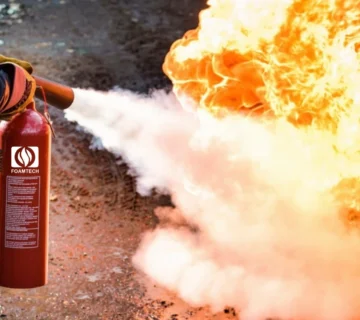
Unlike traditional water-based systems used in residential or office spaces, suppression systems in gas stations are designed to deal with liquid fuel fires which behave very differently. They rely on foam, gas, or dry chemicals to smother flames and cut off oxygen, stopping combustion at its source.
Why Fire Safety at Gas Stations Is Non-Negotiable
Gas stations handle large volumes of highly flammable fuels daily, making them one of the most vulnerable facilities to fire hazards. A single spark from static electricity, an equipment malfunction, or a fuel spill can escalate in seconds.
Saudi Arabia’s energy sector continues to expand, with thousands of stations across cities and highways. To keep pace, the Civil Defense has tightened its requirements for fuel station safety. Every gas station must install approved fire safety equipment that adheres to both local and international standards.
DARS, as one of the leading fire protection contractors in the Kingdom, emphasizes that prevention begins with design choosing the right suppression system for each unique site.
“A well-designed fire suppression system isn’t just an installation. It’s an ongoing safety promise,” says a DARS safety engineer.
Types of Fire Suppression Systems Used in Gas Stations
Different parts of a gas station demand specialized protection. From fuel dispensers to underground tanks, each area presents distinct risks. Here’s how modern fire suppression systems are classified and used across Saudi stations:
1. Foam-Based Suppression Systems
Foam suppression remains the most widely used solution for gas stations. The foam forms a thick blanket over the fuel, cutting off the oxygen supply and cooling the surface to prevent re-ignition. It’s particularly effective for Class B fires (flammable liquids).
Modern foam concentrates are environmentally safer, aligning with the global shift toward fluorine-free technology, such as F-500 EA®, which offers strong extinguishing performance with minimal ecological impact.
2. Clean Agent Systems
Clean agents like FM-200 or NOVEC 1230 are ideal for enclosed areas such as control rooms or electrical panels. They suppress fire by disrupting the chemical reaction of combustion, leaving no residue and requiring minimal cleanup afterward.
These systems are a hallmark of automatic fire suppression operating instantly upon fire detection without human intervention.
3. Water Mist and Sprinkler Systems
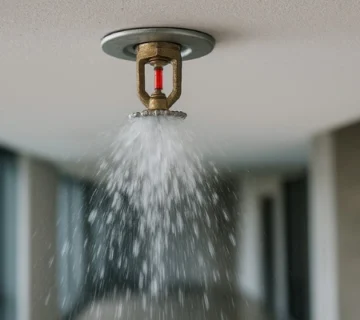
While foam handles flammable liquids, water mist systems protect the station perimeter, roofs, and customer areas. Their fine mist cools the air and absorbs heat rapidly, reducing the chance of flashover.
Together, these systems form a multi-layered defense one that prevents fires from spreading beyond their point of origin.
How Gas Station Fire Suppression Systems Work
A fire suppression system at a gas station operates as an intelligent, automated response network. It identifies potential fire threats in seconds and reacts faster than human intervention could ever achieve.
Detection and Activation
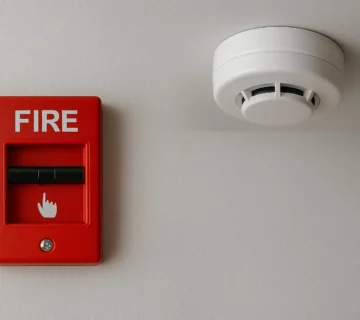
The process begins with a web of fire detection sensors, heat, flame, and smoke detectors that constantly monitor critical zones. Once a sensor identifies abnormal temperature or flame patterns, it sends an immediate signal to the control panel.
This triggers:
- Automatic system discharge
- Emergency response system activation, including alarms and shut-off valves
- Integration with the fuel pump cutoff to stop fuel flow instantly
Suppression Process
Upon activation, the suppression agent (foam, clean gas, or mist) is released through strategically placed nozzles to cover the affected area. The entire cycle from detection to suppression typically occurs within seconds, drastically reducing potential loss.
The integration of modern fire prevention technology means that even complex fire patterns are detected early. IoT-based monitoring now allows operators to view live alerts, ensuring maintenance teams respond swiftly to any system irregularities.
Saudi Civil Defense Regulations and Fire Safety Compliance
In Saudi Arabia, Civil Defense compliance governs every aspect of gas station fire protection. This includes system design, installation, testing, and routine inspections. Each system must meet the requirements of both the Saudi Building Code and the NFPA standards adapted for local conditions.
Key regulations emphasize:
- Use of approved fire extinguishing valves and suppression agents
- Adequate water storage and pressure systems for firefighting
- Periodic testing and certification by licensed contractors
Companies like DARS play a crucial role in ensuring these standards are met. Their work extends beyond installation; it includes end-to-end consultation, safety maintenance, and official inspection coordination with Civil Defense.
For further insight, visit the Saudi Civil Defense guidelines for fire safety at fuel facilities, which provide comprehensive compliance details.
Designing Fire Suppression Systems for Gas Stations
Designing a gas station fire suppression system requires precision and expertise. Each component from nozzle placement to tank sizing must be tailored to the station’s specific risk zones.
System Planning
The design process begins with a hazard assessment, identifying potential ignition points such as pump islands, underground tanks, or generator areas. Engineers then determine the correct suppression method and layout. The goal is to ensure maximum coverage without over-engineering.
Layout and Installation
Pipework and nozzles are distributed strategically across the site. The system connects to centralized control panels for automatic activation. Electrical rooms and payment kiosks often have separate clean agent systems, while external areas rely on foam or water mist.
Certified contractors are required for all installations, and final approvals are only granted after Civil Defense inspections. This ensures every system aligns with safety and environmental standards.
The Role of DARS in Gas Station Fire Safety
With decades of experience in fire protection across Saudi Arabia, DARS has positioned itself as a trusted partner for businesses seeking compliant, high-performance fire systems. The company’s approach integrates modern technology with a commitment to protecting lives and assets.
From system design and application to ongoing maintenance and safety training, DARS ensures that every installation aligns with both Civil Defense expectations and international best practices. Their expertise extends across fire control solutions tailored for industrial, commercial, and fuel-related environments.
Common Challenges in Maintaining Gas Station Fire Suppression Systems
Even the most advanced gas station fire suppression system can lose effectiveness without proper maintenance. Over time, exposure to dust, fuel vapors, and environmental elements can impact performance. Regular inspections are essential not only for system reliability but also for maintaining Civil Defense compliance.
Maintenance challenges often begin with system neglect. Many fuel station operators assume that once installed, their fire suppression system will function indefinitely. In reality, sensors degrade, control panels require recalibration, and suppression agents must be refilled or replaced periodically. Neglecting these tasks can lead to slower response times or, worse, system failure during an emergency.
Another common issue is corrosion, especially in outdoor systems exposed to humidity and fluctuating temperatures. Piping systems and nozzles, if not properly coated, may suffer from rust accumulation, affecting both pressure and distribution efficiency. That’s why safety maintenance plans must include scheduled cleaning, inspection, and pressure testing. Certified professionals, such as those from DARS, ensure these procedures are handled meticulously, guaranteeing consistent performance and compliance with local regulations.
Human error also plays a role. Inadequate training can lead to mishandling of system components or delayed responses during false alarms. Regular employee training sessions help staff understand the operation, manual activation, and emergency protocols associated with fire protection systems. DARS provides these trainings as part of its after-installation service package, ensuring station teams are confident and prepared in high-stress scenarios.

The Importance of Routine Testing and Certification
Routine testing is the foundation of effective fire safety management at gas stations. According to Saudi Civil Defense requirements, every installed automatic fire suppression system must undergo functional testing at regular intervals. This includes both simulated fire scenarios and manual activation tests to confirm that sensors, alarms, and suppression mechanisms work flawlessly together.
System certification serves two purposes: confirming the technical integrity of the system and ensuring ongoing compliance with the Saudi Building Code and NFPA standards. Failing to update certification can result in fines, operational suspension, or even revocation of a business license. Certified maintenance reports also help insurers validate claims in the event of an incident, making documentation as crucial as the system itself.
DARS’s engineers use specialized diagnostic tools to measure discharge pressure, response time, and nozzle reach. These metrics form part of a detailed service log submitted for Civil Defense approval. This transparent process not only ensures legal compliance but also reinforces the station owner’s reputation as a responsible operator committed to fuel station safety.
Training and Awareness: Building a Safety-First Culture
No fire suppression technology, however advanced, can replace human awareness. A well-trained team acts as the first responder, bridging the gap between system activation and external emergency services.
DARS emphasizes the need for emergency response system drills and procedural training. These simulations replicate real-life conditions from fuel spills to rapid flame ignition to test how staff react under pressure. Training also includes understanding visual and auditory alarm signals, identifying manual activation points, and communicating with authorities in the event of a system discharge.
Such preparedness extends beyond regulatory obligation. It builds a culture of accountability where every employee recognizes the value of proactive fire prevention. In Saudi Arabia’s evolving safety landscape, this cultural shift represents one of the most powerful defenses against operational hazards.
Emerging Trends and Technologies in Fire Suppression
The field of fire suppression is experiencing a technological renaissance, with new materials, digital integrations, and sustainability innovations reshaping how systems function. In Saudi Arabia, these changes are being rapidly adopted to align with Vision 2030’s emphasis on industrial modernization and environmental responsibility.
One of the most significant advancements is the introduction of fluorine-free suppression agents. Unlike older foam concentrates that contain harmful PFAS chemicals, modern alternatives such as F-500 EA® and Solberg RF3 offer excellent extinguishing performance with minimal ecological impact. This transition supports both environmental protection and long-term cost efficiency for operators.
Smart technology integration is another growing trend. IoT-enabled suppression systems now provide real-time performance monitoring, allowing contractors and station managers to track system health remotely. Alerts for low pressure, blocked nozzles, or discharged agents are automatically sent to mobile dashboards. This fire prevention technology ensures issues are detected early, long before they can compromise safety.
In addition, AI-driven analytics are being incorporated into modern control panels to predict system faults. These algorithms learn from environmental data, usage frequency, and historical incidents to suggest optimal maintenance schedules. The result is not just automated response, it’s intelligent prevention.
Integration with Broader Safety and Building Systems
Modern fire suppression is no longer a standalone mechanism; it’s part of a larger, integrated safety ecosystem. Gas stations now connect their suppression systems with broader fire control solutions, including CCTV networks, access control systems, and alarm panels for unified management.
This interconnected design ensures that when a fire event occurs, multiple safety systems activate simultaneously, alarms alert personnel, cameras focus on the incident zone, and electrical systems cut power to critical points. The coordination between these subsystems dramatically improves reaction time and limits damage.
In high-traffic fuel stations or multi-service facilities that include car washes, convenience stores, or workshops, integration also extends to HVAC systems to prevent smoke circulation indoors. The synchronization between suppression, ventilation, and evacuation systems represents the new standard of comprehensive fire protection systems across Saudi Arabia’s commercial sectors.
DARS continues to lead in this integrated approach by designing solutions that communicate across devices, ensuring seamless response across all safety layers. Their systems are compatible with leading smart infrastructure platforms, allowing businesses to future-proof their fire safety investments.
Sustainable and Green Fire Suppression Solutions
As sustainability becomes a national priority, Saudi Arabia’s fire safety sector is evolving toward environmentally conscious solutions. Eco-friendly suppression agents are reducing chemical residue, water usage, and atmospheric pollution without compromising on effectiveness.
Modern automatic fire suppression systems use advanced delivery mechanisms that minimize waste. For instance, precision nozzles control agent discharge to ensure targeted coverage, while reusable cylinder designs extend equipment life cycles. Some of these innovations are already being piloted in fuel stations within Riyadh and Dammam, where environmental awareness campaigns are influencing industry practices.
Furthermore, DARS’s engineering teams are actively collaborating with suppliers that prioritize sustainable fire safety equipment, contributing to Saudi Arabia’s environmental goals under Vision 2030. Their mission extends beyond compliance; it’s about redefining safety through responsibility.
For insights into sustainable suppression technologies, visit Research and Markets, which explores current trends shaping the Saudi fire protection market.
Remote Monitoring and Predictive Maintenance
With the rise of IoT and cloud computing, fire suppression systems are now capable of remote diagnostics. Every valve, sensor, and alarm panel can communicate real-time data to a central monitoring hub. This shift from reactive maintenance to predictive analytics means potential issues can be addressed before a system ever fails.
DARS implements this technology through smart control modules integrated into the fire detection sensors. These modules continuously track temperature fluctuations, valve pressure, and electronic health, sending updates to operators via mobile apps or online dashboards.
Predictive algorithms can analyze performance trends, identifying components likely to fail in the future. This not only enhances safety but also extends system lifespan and reduces overall maintenance costs. As Saudi Arabia’s fuel infrastructure expands, these innovations make large-scale safety management both practical and reliable.
The Economic and Human Impact of Advanced Fire Safety
The introduction of smarter, faster, and cleaner fire protection systems is not just a technical improvement, it’s an investment in community safety and operational continuity. Fires at gas stations can cause devastating financial loss, but more importantly, they endanger lives. By adopting high-quality suppression systems, operators protect employees, customers, and nearby communities.
Economically, prevention always costs less than recovery. A properly maintained suppression system reduces downtime, insurance premiums, and repair costs after a potential fire. It also strengthens public trust, a vital aspect for any fuel retailer operating in a competitive market.
From an ethical perspective, compliance and technological innovation demonstrate corporate responsibility. Businesses that invest in fuel station safety show alignment with national visions for safer cities and sustainable industrial practices. DARS advocates for this holistic perspective where technology, safety, and responsibility intersect for the greater good.
The Future of Gas Station Fire Suppression in Saudi Arabia
As Saudi Arabia continues to expand its urban infrastructure, fuel stations are multiplying to serve the growing number of vehicles and logistics networks across the Kingdom. With this expansion comes a renewed focus on fire protection systems that are smarter, cleaner, and more resilient. The future of gas station fire suppression systems lies in digital integration, automation, and environmental responsibility.
Artificial intelligence and machine learning are expected to take an even larger role in fire safety management. Predictive analytics will not only forecast system faults but also predict high-risk environmental conditions such as heat buildup or fuel vapor concentration, enabling preemptive interventions. This level of intelligence transforms fire suppression from a reactive mechanism into a proactive safety strategy.
Additionally, the use of automatic fire suppression systems powered by sustainable agents will become the industry standard. As Saudi Arabia adopts stricter environmental codes, older chemical agents will gradually be replaced with biodegradable compounds that minimize environmental impact while maintaining suppression power. DARS’s engineering division is already aligning its R&D efforts to stay ahead of these transitions, ensuring clients benefit from both regulatory compliance and operational excellence.
Regulatory Evolution and the Role of Civil Defense
The Saudi Civil Defense Authority remains the cornerstone of safety enforcement in the Kingdom. Over the coming years, it is expected to expand its regulatory scope to include new benchmarks for digital monitoring, data recording, and emergency coordination. This evolution means that every gas station fire suppression system will eventually need to integrate data-sharing capabilities to enable faster response and remote verification.
DARS’s collaboration with certified safety partners and government entities ensures that its clients remain prepared for this shift. Through continuous training, compliance audits, and alignment with NFPA guidelines, the company supports a future where safety management is fully transparent and data-driven.
The Civil Defense’s emphasis on safety maintenance will also deepen. Rather than focusing solely on installation standards, regulators are now prioritizing system lifecycle performance, a recognition that safety extends beyond deployment into daily operation and long-term care.

How Innovation Strengthens Business Resilience
For business owners, investing in advanced fire suppression technology is not merely a safety measure, it’s a competitive advantage. Reliable systems reduce downtime, protect assets, and improve public reputation. Consumers naturally trust companies that demonstrate accountability through visible safety measures.
Moreover, integrated safety systems reduce long-term costs by optimizing maintenance schedules, conserving suppression agents, and minimizing insurance risks. As fire prevention technology evolves, businesses adopting these systems benefit from both operational efficiency and enhanced compliance readiness.
DARS has observed that many clients experience a significant reduction in maintenance-related incidents after transitioning to smart, sensor-based suppression systems. These systems track their own health, issue real-time alerts, and ensure that even the smallest irregularities are addressed promptly. The result is fewer emergencies, faster response times, and measurable financial savings.
By combining cutting-edge fire control solutions with practical, field-tested engineering, DARS helps businesses achieve resilience that extends far beyond fire safety; it’s a model for sustainable, intelligent infrastructure management.
Building a Culture of Proactive Safety
At the heart of every effective fire suppression strategy lies a proactive mindset. Technology alone cannot replace awareness, discipline, and preparedness. Fuel station operators must view safety as an evolving responsibility rather than a one-time setup.
Developing this culture requires consistent training, regular performance reviews, and collaboration between management, maintenance teams, and certified contractors. DARS supports this vision through comprehensive safety programs that combine technical assessments with practical learning. The objective is simply to empower every station employee to act decisively, whether it’s responding to an alarm or performing a quick safety check.
This human layer of defense ensures that even as automation advances, there remains a vigilant and informed presence on the ground. When paired with technology, such awareness forms an unbreakable chain of protection for lives and property.
The Economic and Social Value of Fire Suppression Investment
Investing in fire safety goes far beyond avoiding penalties. It directly contributes to the social and economic well-being of communities. Preventing one fire at a gas station safeguards dozens of lives, protects nearby businesses, and preserves vital infrastructure. In cities like Riyadh and Jeddah, where stations are often located near residential or commercial zones, the stakes are particularly high.
From an economic standpoint, maintaining high-grade fire safety equipment lowers insurance premiums, increases property value, and enhances investor confidence. In an era where sustainability and safety define business reputation, a compliant, modern fuel station becomes a symbol of reliability.
DARS’s commitment to supporting these outcomes reflects its broader mission combining engineering excellence with social responsibility. By ensuring every suppression system meets the highest standards, the company reinforces not only its clients’ security but also the safety fabric of the nation.
Future Recommendations for Station Owners and Operators
To achieve and maintain full fire safety compliance, DARS recommends that operators follow a structured framework emphasizing prevention, inspection, and innovation.
The following steps summarize a proactive approach for long-term safety management:
- Conduct annual system audits with certified professionals to ensure full Civil Defense certification.
- Upgrade outdated systems to smart, IoT-enabled fire suppression solutions capable of remote diagnostics.
- Train personnel quarterly, focusing on manual system activation, evacuation protocols, and early response procedures.
These steps build a sustainable cycle of safety that aligns with both business objectives and national regulations.
The Role of DARS: Engineering Safety with Precision
Throughout Saudi Arabia, DARS has established a reputation for reliability, innovation, and integrity in fire protection contracting. From the design of gas station fire suppression systems to inspection, maintenance, and training, every project reflects a commitment to protecting lives and property through precision engineering.
Their approach merges cutting-edge fire prevention technology with deep regulatory expertise, ensuring that every solution meets the stringent standards of Civil Defense compliance and international codes such as NFPA. The company’s dedication to continuous improvement and sustainable practices positions it as a long-term partner for safety in Saudi Arabia’s rapidly evolving industrial landscape.
DARS’s ongoing mission is clear to raise the standard of fuel station safety and inspire a culture where protection, innovation, and responsibility coexist seamlessly.
Key Takeaways
A gas station fire suppression system is more than a regulatory requirement; it’s an investment in operational continuity, brand integrity, and community well-being. The integration of modern technologies such as AI analytics, IoT monitoring, and environmentally friendly agents has redefined what effective fire safety looks like in Saudi Arabia.
DARS’s leadership in this sector underscores the importance of combining innovation with compliance, ensuring that every fuel station is not just protected but future-ready. By embracing automatic fire suppression, intelligent monitoring, and ongoing safety training, station operators are building a safer, more sustainable Kingdom one installation at a time.