
Understanding the CO2 Fire Extinguisher
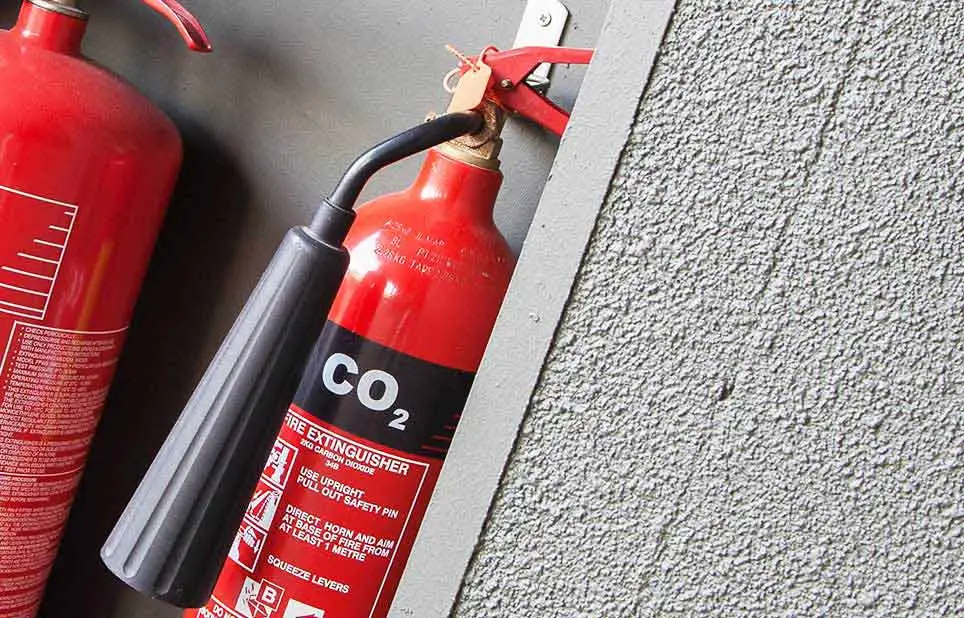
A CO2 fire extinguisher, or carbon dioxide extinguisher, is one of the most effective tools for fighting electrical and flammable liquid fires. It works by displacing oxygen and cooling the fire source, two vital elements that sustain combustion. Because carbon dioxide leaves no residue, it is ideal for protecting sensitive electrical systems such as computers, control panels, and industrial machines.
In Saudi Arabia, where industries depend heavily on high-voltage equipment and chemical operations, CO2 extinguishers are integral to maintaining workplace safety and regulatory compliance under the Saudi Civil Defense and NFPA standards. Organizations across the Kingdom rely on trusted partners like DARS, known for implementing fire protection solutions that meet the highest safety benchmarks.
Why CO2 Fire Extinguishers Matter
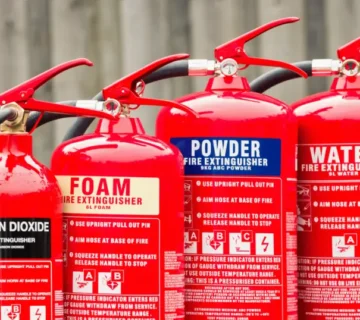
The growing complexity of commercial and industrial facilities in Saudi Arabia has increased the need for specialized fire safety equipment. Traditional foam or powder-based extinguishers are not always suitable, especially where electronics or combustible liquids are involved.
CO2 extinguishers bridge that gap by providing a clean, efficient, and non-damaging method of fire suppression. They are widely used in environments such as:
- Data centers and server rooms
- Laboratories and hospitals
- Factories and refineries
- Commercial kitchens and shopping malls
Their residue-free discharge makes them the preferred choice in modern safety infrastructure.
What Types of Fires Are CO2 Extinguishers Suitable For?
CO2 extinguishers are primarily designed to tackle Class B and Class C fires.
- Class B: Fires involving flammable liquids such as gasoline, kerosene, or solvents.
- Class C: Fires caused by electrical faults in wiring, motors, or panels.
The carbon dioxide extinguisher is non-conductive, meaning it can safely put out flames on energized electrical equipment without risking electric shock. Moreover, CO2 leaves no powder or liquid residue, which could otherwise damage circuits or machinery.
However, CO2 extinguishers are not suitable for Class A fires, which involve materials like wood, paper, or fabric. Because CO2 does not soak or penetrate such materials, flames could reignite once the gas dissipates.
This distinction highlights the importance of selecting the right fire suppression system for each facility. DARS often helps organizations assess their unique risks to ensure proper extinguisher placement and classification compliance.
How CO2 Fire Extinguishers Work
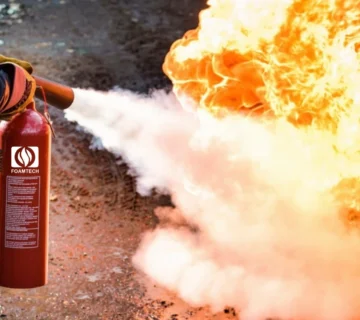
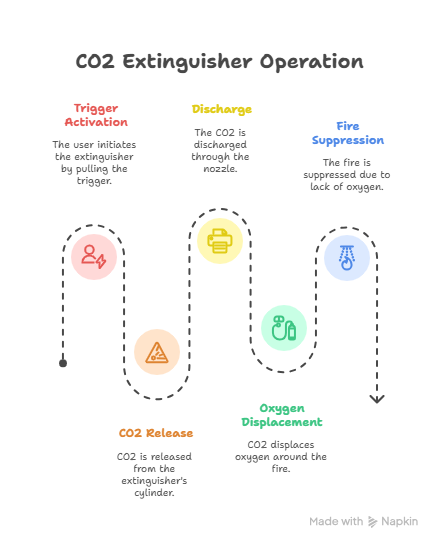
The operation of a CO2 fire extinguisher is simple yet precise. When activated, highly pressurized carbon dioxide is released through a horn-shaped nozzle, rapidly displacing oxygen and cooling the surrounding air. The result is an immediate drop in temperature and oxygen concentration, effectively smothering the flames.
For safety, users must avoid direct contact with the nozzle or discharge horn, as the escaping CO2 can reach extremely low temperatures and cause frostbite. Typical discharge ranges for portable models are around 3–5 meters, lasting 8–12 seconds depending on the cylinder size.
Saudi Arabia’s Fire Safety Regulations for CO2 Extinguishers
Saudi Arabia maintains strict fire safety standards to safeguard lives and properties, particularly in industrial and commercial settings. These standards are developed and enforced by the Saudi Civil Defense and the Saudi Standards, Metrology, and Quality Organization (SASO).
To ensure compliance, all CO2 fire extinguishers must:
- Undergo pressure testing at around 250 bar for performance and durability.
- Display clear labeling with operation instructions and certification marks.
- Be included in periodic inspections mandated by Civil Defense authorities.
Moreover, organizations must conduct regular maintenance, including hydrostatic testing and refill verification. Partnering with certified service providers like DARS ensures not only legal compliance but also full operational readiness in emergencies.
Where CO2 Extinguishers Are Commonly Used in Saudi Arabia
In the Kingdom, CO2 extinguishers are a cornerstone of fire protection solutions across industries. Some of the most common environments include:
- Data Centers & IT Facilities: Preventing equipment loss from electrical fires.
- Manufacturing Plants: Handling flammable liquids and gases.
- Healthcare Institutions: Protecting laboratory and diagnostic equipment.
- Oil & Gas Facilities: Addressing hydrocarbon fire risks.
These extinguishers are strategically placed based on risk assessment and accessibility, ensuring that they can be quickly deployed during emergencies. According to Civil Defense recommendations, every enclosed workspace handling electrical systems should have a portable fire extinguisher within easy reach.
Why CO2 Extinguishers Are Preferred for Electrical Fires
Electrical fires pose unique challenges because traditional water or foam-based extinguishers can conduct electricity, increasing the danger. A CO2 extinguisher solves this issue by offering non-conductive suppression that instantly cuts off oxygen around energized components.
This makes it particularly effective for:
- Server racks and UPS systems
- Control rooms and switchboards
- CCTV and security equipment
Furthermore, unlike chemical or dry powder agents, CO2 does not corrode metal or leave residue on sensitive equipment. This advantage not only reduces cleanup time but also prevents costly downtime, a key concern for industries that rely on uninterrupted power and operations.
Maintenance and Handling Best Practices
Routine inspection and preventive maintenance are vital to ensuring the reliability of any firefighting equipment. According to Saudi Civil Defense guidelines, CO2 extinguishers should be inspected monthly and serviced at least annually.
Key practices include:
- Checking pressure levels and verifying intact safety seals.
- Ensuring accessibility extinguishers must never be obstructed.
- Refilling or hydrotesting after discharge or every five years, whichever comes first.
Because CO2 is stored under high pressure, training is essential. Personnel should be instructed on safe handling, including the use of protective gloves when operating the extinguisher. DARS provides certified training programs and inspection services aligned with NFPA and SASO standards.
Linking Safety, Compliance, and Trust
Every fire suppression system in Saudi Arabia reflects a commitment to safety and accountability. The use of CO2 fire extinguishers is more than a regulatory requirement; it’s a proactive measure that protects people, property, and productivity.
At DARS, safety isn’t just about installing devices. It’s about building systems that work when they’re needed most. Through a combination of advanced technology, expert consultation, and consistent maintenance, the company helps clients meet fire safety standards while safeguarding business continuity.
Innovations and Trends in CO2 Fire Extinguishers
The Evolution of Fire Suppression Technology
As industries in Saudi Arabia advance toward digital transformation and sustainability, fire safety equipment has evolved to meet new expectations for efficiency, environmental responsibility, and smart functionality. Traditional CO2 extinguishers remain the backbone of electrical and chemical fire control, but the technology around them continues to progress rapidly.
Manufacturers are now developing models that feature enhanced discharge control, improved pressure gauges, and lightweight yet durable cylinders made from recyclable materials. These innovations reflect a global shift toward sustainable safety systems that not only protect property but also minimize ecological impact. For instance, newer CO2 extinguisher designs now reduce gas loss and improve safety valve precision, ensuring that carbon dioxide is released in the optimal concentration for fire suppression without unnecessary waste.
Integrating CO2 Extinguishers with Building Safety Systems
One of the most significant trends in Saudi Arabia’s fire protection solutions sector is the integration of extinguishers with intelligent building management systems. Modern facilities increasingly use interconnected sensors and real-time monitoring software to detect fires and automatically alert emergency teams before manual activation is required.
This integration allows facility managers to monitor extinguisher pressure, maintenance schedules, and refill alerts from centralized dashboards. When linked with automated alarms or sprinklers, CO2 extinguishers can form part of a comprehensive fire suppression system that reacts instantly to risks while maintaining compliance with Saudi Civil Defense and NFPA standards.
Companies like DARS lead this transition by helping industrial and commercial clients adopt connected safety frameworks that align with both operational efficiency and national safety codes. This shift toward smart safety is especially critical in sectors like oil and gas, data infrastructure, and healthcare, where rapid emergency response can prevent severe damage and loss.
Eco-Friendly and Sustainable Fire Extinguishers
While CO2 extinguishers already provide an environmentally safe alternative to halon-based systems, sustainability continues to drive product development in the fire protection industry. Saudi Arabia’s commitment to Vision 2030 emphasizes eco-conscious practices across all industrial sectors, and DARS has aligned its fire safety initiatives with this national vision.
Manufacturers are increasingly exploring methods to minimize the carbon footprint of extinguisher production, using recycled materials and energy-efficient manufacturing processes. Additionally, refillable and long-life cylinder designs help reduce waste and operational costs for clients. The emphasis is shifting from simple compliance toward a holistic safety model one that balances human protection, environmental responsibility, and economic sustainability.
This approach aligns with Saudi Arabia’s broader sustainability goals while strengthening the reliability of local fire safety infrastructure. As a result, organizations that adopt eco-friendly extinguishers not only meet regulatory obligations but also position themselves as responsible contributors to a safer and greener future.
Importance of Regular Training and Certification
Technology and regulation alone cannot guarantee fire safety. The human element remains the most decisive factor in effective emergency fire response. In Saudi Arabia, regular fire safety training and certification programs are mandated for facilities handling electrical systems, chemicals, or large occupancy environments.
Training ensures that employees know how to operate CO2 extinguishers correctly from pulling the safety pin and aiming the horn to maintaining a safe distance during discharge. Misuse can lead to injuries or incomplete fire suppression, especially in confined spaces where CO2 can displace breathable air. For this reason, DARS conducts certified training sessions in accordance with Saudi Civil Defense regulations and NFPA protocols, empowering staff to act swiftly and safely in critical situations.
Training also includes hazard recognition, extinguisher placement awareness, and evacuation coordination. In organizations with multiple extinguisher types, sessions focus on selecting the right unit for each fire classification, ensuring no time is wasted in an emergency.
CO2 Extinguishers and Workplace Safety Culture
Beyond compliance, true workplace safety depends on cultivating a culture that values prevention and preparedness. CO2 extinguishers play an essential role in this mindset because they embody both readiness and precision, the two pillars of any effective safety system.
Regular safety audits, visual checks, and employee participation in mock fire drills contribute to maintaining high safety standards across industries. By integrating safety awareness into everyday operations, organizations reduce not only the risk of fire-related damage but also potential operational downtime. In a competitive business environment like Saudi Arabia’s, operational continuity is just as important as physical safety, and DARS’s safety programs emphasize this balance.
This cultural approach ensures that fire protection becomes a shared responsibility, extending beyond facility managers to every individual within the organization. As employees grow more confident in their understanding of firefighting equipment, the overall efficiency and resilience of the workplace increase significantly.
The Role of Regular Inspections and Safety Audits
Periodic inspection is not a formality; it’s an operational necessity. Each CO2 extinguisher must be inspected to verify pressure, condition, and accessibility. The Saudi Civil Defense requires businesses to maintain accurate inspection logs and ensure that extinguishers are immediately replaced or serviced if found defective.
Inspections typically involve checking that the safety pin is intact, the pressure gauge is within operational range, and the discharge horn remains unobstructed. Cylinders are weighed to confirm that CO2 content meets manufacturer specifications. In addition to visual checks, hydrostatic testing is performed every few years to ensure cylinder integrity under high pressure.
Partnering with certified safety service providers like DARS guarantees that inspections are conducted to the highest professional standards. Through a structured maintenance program, organizations can stay ahead of compliance requirements while ensuring maximum readiness during an emergency.
Aligning with Saudi Civil Defense and NFPA Codes
Saudi Arabia’s fire safety landscape is deeply influenced by the integration of international best practices, particularly those outlined by the National Fire Protection Association (NFPA). The local adaptation of these codes ensures that safety measures not only match global benchmarks but also align with the environmental and industrial realities of the Kingdom.
CO2 extinguishers are required to meet specific technical standards regarding pressure resistance, labeling, and discharge mechanisms. SASO regulations also mandate clear documentation of product certification, supplier credentials, and maintenance history. Failure to comply can result in penalties or operational shutdowns, making it crucial for businesses to work with recognized experts.
DARS maintains strict adherence to these standards, combining local regulatory insight with global best practices to deliver fire systems that are both compliant and reliable. This commitment strengthens public trust and reinforces the company’s reputation as a leader in Saudi Arabia’s fire safety sector.
Empowering Businesses Through Safety Partnerships
A key component of modern fire protection is partnership between businesses, regulators, and service providers. In Saudi Arabia, where industries such as energy, logistics, and healthcare form the backbone of the economy, this partnership is vital.
By choosing to work with companies like DARS, organizations gain more than equipment installation; they gain strategic support. Through consultation, training, and tailored fire protection solutions, clients can design complete safety ecosystems that protect both assets and people.
Such partnerships ensure long-term reliability by aligning corporate safety strategies with regulatory evolution. They also help organizations prepare for audits, manage documentation, and adapt to new safety technologies without disrupting daily operations.
The Future of CO2 Fire Extinguishers in Saudi Arabia
Smart Monitoring and Digital Integration
The next era of fire safety equipment in Saudi Arabia is defined by intelligence and connectivity. As buildings and industrial facilities adopt smart technologies, CO2 extinguishers are no longer viewed as standalone devices but as integral components of connected fire suppression systems.
Through sensors and Internet of Things (IoT) technology, extinguishers can now transmit real-time data on pressure, location, and service status to centralized monitoring dashboards. This innovation enables facility managers to detect leaks, schedule refills, and track inspections automatically minimizing human error and ensuring compliance with Civil Defense standards.
These systems are especially valuable in large-scale environments such as hospitals, refineries, or airports, where manual inspection of every extinguisher is impractical. By using smart integration, safety teams can oversee hundreds of extinguishers at once, maintaining readiness while reducing operational costs.
Data-Driven Safety Management
The integration of CO2 extinguishers with digital platforms also opens the door to data analytics. By collecting performance and usage metrics, organizations can identify high-risk zones, predict maintenance needs, and optimize extinguisher placement.
This approach transforms fire protection from a reactive model into a predictive one. Instead of waiting for a hazard to occur, safety managers can proactively address vulnerabilities. DARS is among the few companies in the region pioneering this transformation by helping businesses use data-driven strategies to strengthen their fire prevention and emergency response systems.
By correlating extinguisher activity with environmental data such as temperature, humidity, or equipment load organizations can develop customized protection plans that adapt to changing operational conditions. The result is a safer, more resilient facility where decisions are guided by evidence, not assumptions.
Sustainability in Fire Protection
As Saudi Arabia accelerates its journey toward environmental responsibility under Vision 2030, sustainability in fire protection has become a top priority. CO2 extinguishers already meet eco-friendly standards due to their use of non-toxic gas that leaves no chemical residue, but manufacturers are pushing further to ensure every part of the product lifecycle aligns with green practices.
From recyclable cylinder materials to energy-efficient production, the industry’s progress underscores a larger commitment: protecting both people and the planet. DARS actively supports this direction by promoting products that adhere to NFPA environmental criteria and the Saudi Standards, Metrology and Quality Organization (SASO) guidelines for sustainable safety equipment.
The Growing Importance of Fire Safety Awareness
While advanced tools and regulations form the foundation of fire protection, awareness remains the driving force behind lasting safety. Public education campaigns, workshops, and workplace training sessions have become key pillars of Saudi Arabia’s safety strategy.
Organizations are encouraged to integrate awareness programs into their annual operations, ensuring that all employees from technical staff to management understand the importance of preventive measures. Proper knowledge of how and when to use a portable fire extinguisher can prevent small incidents from turning into disasters.
DARS contributes to this culture of awareness by offering customized educational programs for different sectors, from manufacturing to healthcare. Each program combines theoretical understanding with hands-on training, ensuring employees can respond effectively under pressure.
Choosing the Right CO2 Fire Extinguisher for Your Facility
Selecting the correct CO2 extinguisher is not just about size; it involves understanding fire classifications, operational environments, and compliance requirements. For example, an industrial plant handling flammable liquids demands a higher-capacity extinguisher with a longer discharge duration, whereas a corporate office may require smaller, easily accessible units.
When advising clients, DARS considers factors such as the type of electrical equipment, building layout, ventilation, and occupancy density. This consultative approach ensures each extinguisher is not only compliant but optimally placed for rapid accessibility.
To make informed decisions, businesses should always reference the DARS Services Page or consult official Civil Defense guidelines for technical specifications and placement standards.
Linking Fire Protection to Business Continuity
A well-maintained fire suppression system directly supports business continuity. In industries where downtime equals financial loss such as logistics, data management, and manufacturing a single fire can disrupt operations for weeks.
By ensuring proper maintenance and inspection of CO2 extinguishers, companies safeguard not just physical assets but also productivity and reputation. A swift and controlled emergency response minimizes damage, reduces recovery time, and reinforces trust among employees and clients.
DARS integrates this understanding into every project it undertakes, designing systems that protect both operational efficiency and brand credibility. Its methodology aligns with a strategic vision where safety and business performance move hand in hand.
Preparing for the Next Generation of Fire Safety
The future of fire protection solutions lies in innovation, collaboration, and continuous learning. As technology evolves, fire safety will become increasingly predictive and automated, driven by artificial intelligence and advanced sensor systems capable of early detection and self-reporting.
In the coming years, Saudi Arabia’s building codes are expected to adopt more comprehensive digital standards, requiring businesses to modernize their safety infrastructure. Organizations that begin upgrading now through partnerships with leaders like DARS will be better positioned to comply with new regulations and protect their facilities.
This future-ready mindset ensures that safety evolves alongside industry growth, creating workplaces that are both efficient and secure. It also strengthens Saudi Arabia’s role as a regional leader in fire safety innovation.
Key Takeaways and Final Recommendations
The CO2 fire extinguisher remains one of the most essential and trusted tools in modern fire protection particularly for electrical and flammable liquid hazards common across Saudi industries. It exemplifies the perfect balance between effectiveness, cleanliness, and compliance.
To maintain optimal protection, businesses should:
- Conduct periodic inspections and ensure certifications are up to date.
- Provide regular training and awareness programs for staff.
- Partner with certified providers like DARS for maintenance and compliance guidance.
These steps form the foundation of a reliable fire safety strategy, one that protects lives, property, and the long-term stability of every operation.