

Fire protection systems form the backbone of modern safety infrastructure. In a rapidly developing nation like Saudi Arabia, where construction, industrial expansion, and urbanization move at record speed, ensuring fire safety is not just a regulatory requirement, it’s a social responsibility. At the heart of every compliant building stands a well-designed, well-maintained fire protection system, serving as a silent guardian for lives and properties.
DARS has long been at the forefront of implementing advanced safety systems that align with fire safety standards, civil defense compliance, and international codes such as the NFPA guidelines. This article explores how these systems work, why they matter, and what best practices every business and building owner in Saudi Arabia should follow.
Understanding What a Fire Protection System Really Means
A fire protection system is more than a network of sprinklers or alarms; it’s a comprehensive framework that detects, controls, and suppresses fires before they escalate. It combines technology, engineering, and human readiness to minimize risk. In the Kingdom, these systems are an integral part of the Saudi Building Code (SBC 801), which mandates that every structure meets specific fire safety criteria before receiving operational approval.
Fire protection systems include:
- Fire detection devices: Smoke and heat sensors integrated with centralized panels.
- Suppression systems: Sprinklers, fire pumps, hydrants, and gas-based extinguishers.
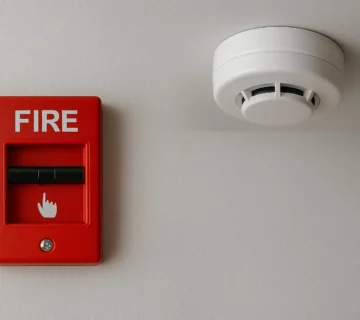
- Alarm systems: Sirens, strobe lights, and emergency communication tools.
These interconnected elements ensure a quick and efficient emergency response, reducing the margin for human error during critical moments.
The Importance of Fire Protection Systems in Saudi Arabia
Saudi Arabia’s commitment to infrastructure expansion from mega-projects like NEOM to industrial zones across the Eastern Province has heightened the need for robust fire prevention measures. The Saudi Civil Defense oversees all aspects of safety inspection, system certification, and post-installation audits.
Beyond regulatory necessity, having a compliant system is an ethical duty. Each component, from a simple extinguisher to a high-tech alarm, contributes to saving lives and preserving property. According to the Saudi Civil Defense guidelines, all public, residential, and commercial establishments must undergo periodic maintenance and testing to remain compliant.
Businesses that fail to uphold these standards risk heavy fines, shutdown orders, and most importantly, endangerment of lives.
Types of Fire Protection Systems in Saudi Arabia
Water-Based Systems
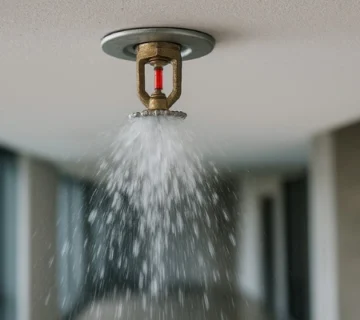
The most common form of fire suppression, these systems use water to control and extinguish flames. They include sprinkler systems, hydrants, and fire pumps, all engineered to meet building code regulations and deliver consistent pressure during emergencies.
Gas-Based and Clean Agent Systems
For sensitive environments like data centers or museums, gaseous suppression systems such as FM-200 or NOVEC 1230 are preferred. They displace oxygen to suffocate fires without damaging equipment.
Foam and CO2 Systems
Industrial sites, fuel depots, and chemical plants often rely on foam-based suppression to control highly flammable liquids. CO2 systems are also used where quick extinguishing action is essential.
Portable Firefighting Equipment
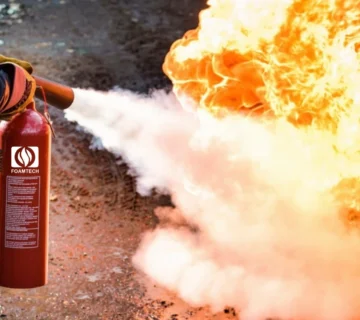
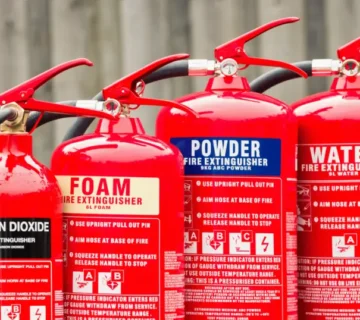
Extinguishers, hoses, and reels serve as the first line of defense. Proper training ensures that occupants can respond immediately to small fires before they spread.
Legal Framework and Civil Defense Compliance
Saudi Civil Defense Regulations
Every fire protection system installed in the Kingdom must be approved by the Civil Defense authority. This includes design reviews, material certifications, and periodic inspections to confirm ongoing compliance.
According to Lifeco’s summary of Saudi Civil Defense requirements, no building can receive occupancy clearance without a valid fire safety certificate. These inspections verify that installations match approved designs and that maintenance records are up to date.
Integration with International Standards
Saudi Arabia incorporates the globally recognized NFPA standards into its local codes. This ensures alignment with best practices for fire prevention solutions, from system layout to pressure ratings and testing methods.
Role of Building Code Regulations
The Saudi Building Code SBC 801 specifies requirements for fire resistance, egress routes, and suppression systems. These regulations evolve continuously to reflect technological progress and local environmental considerations.
Designing Fire Protection Systems: Precision and Planning
Designing an effective fire protection system requires more than following blueprints; it involves a strategic approach that blends safety engineering with risk management.
The Design Process
- Risk Assessment: Identifying potential ignition sources, fuel loads, and occupancy risks.
- System Selection: Choosing between water, gas, or hybrid suppression systems based on building type.
- Zoning and Layout: Ensuring complete coverage while maintaining efficient flow and accessibility.
DARS’s engineers apply risk assessment principles to every project, ensuring the right combination of suppression and detection technologies tailored to each facility’s environment.
Role of Safety Contractors and Certified Experts
Professional safety contractors play a vital role in the life cycle of a fire protection system. They are responsible for design execution, installation, and ensuring compliance with civil defense requirements.
In Saudi Arabia, only contractors certified by the Civil Defense and relevant municipal authorities are authorized to perform installation work. These contractors maintain close coordination with designers, suppliers, and facility managers to ensure systems are built and tested according to both NFPA and Saudi Building Code standards.
DARS, as a trusted industry partner, upholds these regulations through its precise execution, offering clients reliability and peace of mind.
Common Mistakes to Avoid in Fire Protection System Implementation
Even the most advanced system can fail if designed or maintained incorrectly. Common issues include:
- Poor water pressure or insufficient sprinkler coverage.
- Lack of redundancy in alarm or pump systems.
- Neglecting preventive safety maintenance and documentation.
Each of these mistakes can invalidate certifications and put lives at risk. To mitigate them, organizations should partner with specialized contractors, maintain logs, and schedule periodic audits according to Civil Defense guidelines.
Importance of Fire Alarm Systems
A fire alarm system acts as the communication nerve center of a safety network. Its main job is to detect smoke, heat, or flame and alert occupants while simultaneously activating suppression systems.
Modern alarms in Saudi Arabia now feature smart technologies IoT-enabled sensors that communicate directly with central monitoring stations. This allows instant response from emergency teams and faster evacuation, significantly improving emergency response outcomes.
As noted by PEC Saudi Arabia, interconnected systems ensure that fire signals automatically trigger suppression and emergency lighting, aligning with international best practices for safety engineering.
Bridging the Gap Between Technology and Regulation
The future of fire protection in Saudi Arabia lies in the seamless integration of fire safety standards with modern innovation. IoT sensors, cloud-based analytics, and AI-driven diagnostics are transforming how safety systems operate.
However, every technological advancement must align with civil defense compliance to ensure legality and reliability. Saudi Arabia’s 2025 updates to its fire and life safety regulations emphasize digital monitoring, data-based inspection reporting, and predictive maintenance as a step toward smarter, safer cities (source).
Fire Protection Systems in Saudi Arabia: Ensuring Safety Through Maintenance and Innovation
A well-designed fire protection system is only as reliable as its upkeep. The moment installation is complete, a new phase begins, one of continuous inspection, testing, and documentation. In Saudi Arabia, where civil defense compliance is a legal requirement rather than a choice, the operational phase determines whether safety standards remain intact throughout the lifespan of a building.
Regular safety maintenance not only preserves the efficiency of systems but also ensures that they perform as intended during an emergency. Neglecting routine inspections can result in malfunctions, legal penalties, or even catastrophic losses. For companies like DARS, precision in post-installation service is a cornerstone of their credibility and long-standing success.
The Lifecycle of a Fire Protection System
Every fire protection system follows a predictable life cycle design, installation, testing, maintenance, and eventual upgrade. While installation sets the foundation, maintenance safeguards the system’s long-term functionality.
The Saudi Building Code (SBC 801) mandates that property owners conduct scheduled safety inspections to confirm that all suppression, detection, and alarm systems remain in optimal condition. These inspections involve reviewing pumps, sprinkler pressure levels, alarm responses, and control valves. Civil Defense authorities may request logs at any time, meaning recordkeeping is not merely procedural but part of national safety compliance.
Over time, environmental factors such as dust, heat, or corrosion can reduce the performance of fire equipment. The harsh Saudi climate, characterized by high temperatures and sand exposure, makes frequent testing even more crucial to system reliability.
Why Preventive Maintenance Matters
Maintenance should never be reactive; it should be proactive, planned, and preventive. Preventive maintenance ensures that small issues are detected early before they escalate into major hazards.
For example, a slightly clogged sprinkler head might appear insignificant until it fails to discharge water during a fire. Similarly, weak alarm batteries can delay detection and alerting. Both scenarios could lead to unnecessary losses, especially in high-risk environments like factories, hospitals, or warehouses.
Regular inspection schedules also maintain civil defense compliance, which requires proof that all systems have been tested and serviced according to approved maintenance intervals. Partnering with certified safety contractors helps organizations align with these expectations and keep their compliance certificates active.
DARS’s Maintenance Approach
DARS’s philosophy on maintenance is rooted in precision and accountability. Each maintenance cycle begins with a detailed risk assessment, where specialists evaluate environmental conditions, system age, and recent test results. The team uses this data to determine which components require immediate servicing or replacement.
The process typically involves on-site evaluation, functional testing, calibration of alarms, and verification of water flow in sprinklers. Once all systems are confirmed operational, a comprehensive report is prepared for Civil Defense submission. This structured workflow reflects DARS’s commitment to transparency, ensuring clients not only meet regulations but also understand their systems’ condition.
Through this meticulous approach, DARS reinforces its reputation as one of the leading companies specializing in fire prevention solutions across Saudi Arabia.

Testing and Documentation Under Saudi Civil Defense
Saudi Civil Defense authorities follow a detailed protocol for system certification, renewal, and compliance verification. Building owners must present documentation proving that all fire protection systems have undergone testing by certified contractors within the designated time frames.
These documents include test results for fire pumps, flow meters, sprinkler systems, alarm control panels, and backup power sources. If any issue arises, corrective actions must be recorded and reported. Failure to comply can result in penalties or temporary suspension of operating licenses.
Testing procedures often align with NFPA 25 and NFPA 72 standards, both of which are globally recognized benchmarks for system maintenance and alarm testing. These international frameworks are embedded within Saudi codes, reflecting the country’s commitment to maintaining parity with advanced global safety practices.
Integrating Technology into Maintenance and Monitoring
The digital transformation of fire protection systems is reshaping how maintenance and inspections are conducted. Smart systems equipped with IoT sensors now track pressure, temperature, and flow data in real-time. They send alerts when anomalies occur, enabling technicians to respond before failures happen.
Cloud-connected monitoring dashboards allow building managers to review system performance without needing physical access to every component. This improves both efficiency and accuracy. For example, a malfunction in a fire alarm system can now trigger an automatic alert directly to a technician’s mobile device, cutting down response time dramatically.
This innovation aligns with Saudi Arabia’s 2025 modernization goals, as highlighted by the International Fire and Safety Journal, where data-driven monitoring and predictive maintenance are key elements of the upcoming regulatory shift.
Environmental and Operational Challenges in Saudi Arabia
Operating a fire protection system in Saudi Arabia presents unique challenges. The desert climate accelerates wear on metallic components, seals, and electrical systems. High humidity in coastal cities can corrode fire hydrants and electrical conduits, while dry regions accumulate dust that clogs sprinklers and detectors.
Industrial areas face additional risks due to combustible materials and heavy machinery, requiring more frequent testing and monitoring. Facilities must therefore adopt tailored maintenance plans that reflect their operational environments rather than relying on generic schedules.
Furthermore, availability of qualified technicians remains a challenge in certain regions. Not all maintenance providers possess the necessary Civil Defense accreditation, which emphasizes the importance of choosing an experienced partner like DARS, one equipped with local knowledge, certification, and the ability to navigate Saudi Arabia’s complex regulatory landscape.
The Role of Training and Human Preparedness
Technology alone cannot prevent disaster; human awareness remains central to fire safety. Training programs ensure that facility staff know how to operate fire equipment, respond to alarms, and evacuate safely.
DARS regularly supports organizations in conducting drills and workshops that familiarize teams with fire procedures. Such initiatives not only strengthen response readiness but also help organizations maintain compliance with fire safety standards outlined by the Saudi Civil Defense.
Training sessions cover topics like the use of extinguishers, identification of escape routes, and reporting mechanisms for potential hazards. These proactive steps transform employees from passive occupants into active participants in safety culture.
Importance of Recordkeeping and Compliance Renewal
Fire safety compliance is a continuous responsibility, not a one-time effort. Civil Defense certificates have expiration dates, meaning that documentation must be renewed periodically. Proper recordkeeping ensures smooth renewal without delays or penalties.
Each test, inspection, and maintenance session should be logged with the date, technician’s name, system details, and outcomes. In case of audits, these records act as verifiable proof of compliance. Companies that neglect to maintain proper documentation may face fines or closure until all requirements are fulfilled.
DARS provides clients with structured maintenance logs and renewal reminders, simplifying what can otherwise be a complicated administrative process. This end-to-end support distinguishes DARS from many safety contractors in the market and reinforces its position as a trusted partner in fire safety management.
Bridging Gaps Through Continuous Improvement
Fire protection technology evolves constantly, and so do the standards that govern it. Saudi Arabia’s commitment to enhancing safety regulations is evident through initiatives that align the Kingdom’s infrastructure with international best practices.
DARS keeps pace with these developments by updating its processes and adopting new testing tools that ensure accuracy and compliance. Whether through digital inspection platforms or updated NFPA-aligned maintenance methods, the company integrates innovation without compromising reliability.
This continuous improvement mindset allows clients to future-proof their facilities against evolving requirements, ensuring that systems remain compliant even as new technologies and laws emerge.
Fire Protection Systems in Saudi Arabia: Building a Safer Future through Innovation and Vision
Fire protection in Saudi Arabia is no longer confined to traditional alarms and sprinklers. It has become a high-precision science that blends smart technology, engineering excellence, and strict civil defense compliance to protect both lives and infrastructure. As the Kingdom accelerates toward Vision 2030, safety has become a national priority. The expansion of smart cities, industrial zones, and megaprojects like NEOM and The Line has created new challenges and with them, new opportunities for innovation in fire safety.
For DARS, the mission extends beyond installation. It is about pioneering safer environments, improving awareness, and creating systems that adapt intelligently to modern demands.
The Role of Technology in the Next Generation of Fire Protection Systems
Technological advancement is the driving force behind modern fire prevention solutions. The integration of digital sensors, artificial intelligence, and real-time data platforms has revolutionized how systems detect and respond to hazards.
In smart buildings, interconnected devices continuously monitor conditions such as temperature, smoke density, and air quality. These systems automatically communicate with central control panels, activating suppression mechanisms or alerting emergency services before occupants even realize danger exists.
Predictive analytics is now transforming how risk assessment is performed. Instead of waiting for failures to occur, AI-based platforms analyze sensor data to anticipate system malfunctions or high-risk areas. This shift from reactive to predictive safety represents one of the most significant milestones in Saudi Arabia’s evolving infrastructure landscape.
Aligning Fire Safety with Saudi Vision 2030
Vision 2030 emphasizes sustainability, innovation, and the creation of livable cities built on global standards of safety and quality. Within this vision, fire protection plays a fundamental role. Safe infrastructure isn’t just a technical achievement, it’s a national commitment to human welfare and economic stability.
By enforcing fire safety standards and integrating technology into compliance systems, Saudi Arabia is strengthening its resilience against disasters. Updated Saudi Building Code regulations now encourage digital documentation, cloud-based maintenance records, and automated inspection scheduling. These measures streamline communication between contractors, regulators, and building owners.
DARS actively contributes to this transformation by applying a data-driven approach to every project. From the first consultation to post-installation support, the company’s team ensures that each system aligns with both NFPA and Saudi Civil Defense requirements. The result is a seamless blend of local expertise and international precision perfectly aligned with Vision 2030’s focus on sustainable progress.
Sustainability and Environmental Considerations
As part of its environmental goals, Saudi Arabia aims to reduce the ecological footprint of industrial operations. Fire protection systems must evolve accordingly, using environmentally safe materials and efficient energy practices.
New clean-agent suppression systems, such as NOVEC 1230, have replaced ozone-depleting substances, offering the same efficiency without environmental harm. IoT-based monitoring systems further reduce the need for manual site inspections, cutting down fuel consumption and operational costs.
DARS recognizes sustainability as an essential pillar of modern safety. Every installation is approached with an eco-conscious mindset optimizing water usage, energy efficiency, and waste reduction. This not only supports the nation’s sustainability objectives but also demonstrates how safety and environmental responsibility can coexist harmoniously.
Collaboration Between Regulators, Contractors, and Clients
Fire safety is a collective responsibility that depends on coordination between multiple stakeholders safety contractors, regulators, designers, and building owners. When these entities operate in harmony, compliance and safety outcomes strengthen significantly.
The Civil Defense’s digitalization of inspection reports allows for transparent communication and faster issue resolution. Contractors can now upload maintenance certificates online, while building owners track real-time updates. DARS leverages these systems to maintain compliance records efficiently and respond promptly to any feedback from authorities.
This collaborative ecosystem ensures that all parties share accountability for safety. It also fosters continuous improvement, encouraging companies to adopt best practices instead of viewing compliance as a mere obligation.
Addressing Future Challenges
While innovation brings convenience, it also introduces new risks. The growing complexity of integrated safety systems requires highly trained personnel and continuous updates to technical knowledge.
Saudi Arabia’s rapid urban development places immense pressure on both manpower and resources. To address this, institutions and training centers are now investing in specialized courses focused on fire alarm systems, digital inspection tools, and advanced suppression design. These programs ensure that the workforce evolves alongside the technology it manages.
DARS actively supports this educational shift, mentoring young engineers and technicians to uphold high industry standards. By empowering professionals, the company strengthens the overall ecosystem of fire safety in the Kingdom.
The Economic and Social Value of Fire Protection
Investing in a strong fire protection system is not merely an expense, it is a form of economic security. Fires can halt operations, destroy assets, and cause irreversible damage to brand reputation. In contrast, proactive investment in safety preserves productivity, protects employment, and ensures long-term operational continuity.
Socially, fire protection fosters public trust. Buildings that display compliance certificates and visible fire systems signal responsibility and care for human life. For residential projects, it offers peace of mind. For businesses, it demonstrates reliability. And for the government, it represents progress toward a resilient, future-ready nation.
The combined effect is a society that values foresight, discipline, and protection qualities that define Saudi Arabia’s approach to modernization.
Innovation in Action: The DARS Difference
DARS exemplifies the next generation of safety contractors in Saudi Arabia. Through its precise maintenance approach, data-informed risk analysis, and integration of advanced monitoring systems, the company goes beyond compliance to set benchmarks for the industry.
Each project begins with detailed risk assessment and continues through installation, testing, and lifetime maintenance. The result is a fully optimized safety network that aligns with NFPA principles, civil defense compliance, and local building code regulations.
This commitment to precision mirrors DARS’s long-standing philosophy “Protecting property and lives with unwavering dedication.” It’s a statement backed by experience, expertise, and consistent results across Saudi Arabia’s commercial, industrial, and governmental sectors.

Continuous Evolution Toward a Safer Tomorrow
The path forward for Saudi Arabia’s fire safety industry is clear: smarter systems, stronger enforcement, and deeper collaboration. As cities grow vertically and industries expand, the importance of robust fire prevention solutions becomes even more pronounced.
DARS continues to play a vital role in this journey by offering end-to-end safety solutions that not only meet current regulations but anticipate future needs. Whether through adopting intelligent alarms, predictive maintenance systems, or digital reporting platforms, the company ensures every client stays ahead of compliance curves and technological change.
This proactive approach ensures that fire protection in Saudi Arabia remains dynamic, resilient, and future-focused much like the nation itself.
Conclusion: From Compliance to Confidence
Fire protection is more than a technical requirement; it’s a promise of safety, continuity, and care. In Saudi Arabia, where growth and innovation shape every skyline, protecting people and assets has become a defining aspect of national progress.
DARS stands at the forefront of this transformation. By merging fire safety standards with cutting-edge innovation, the company ensures that every system installed represents not just compliance, but confidence.
A safer Saudi Arabia is not built overnight. It’s built through precision, foresight, and unwavering dedication qualities embodied in every DARS project.