
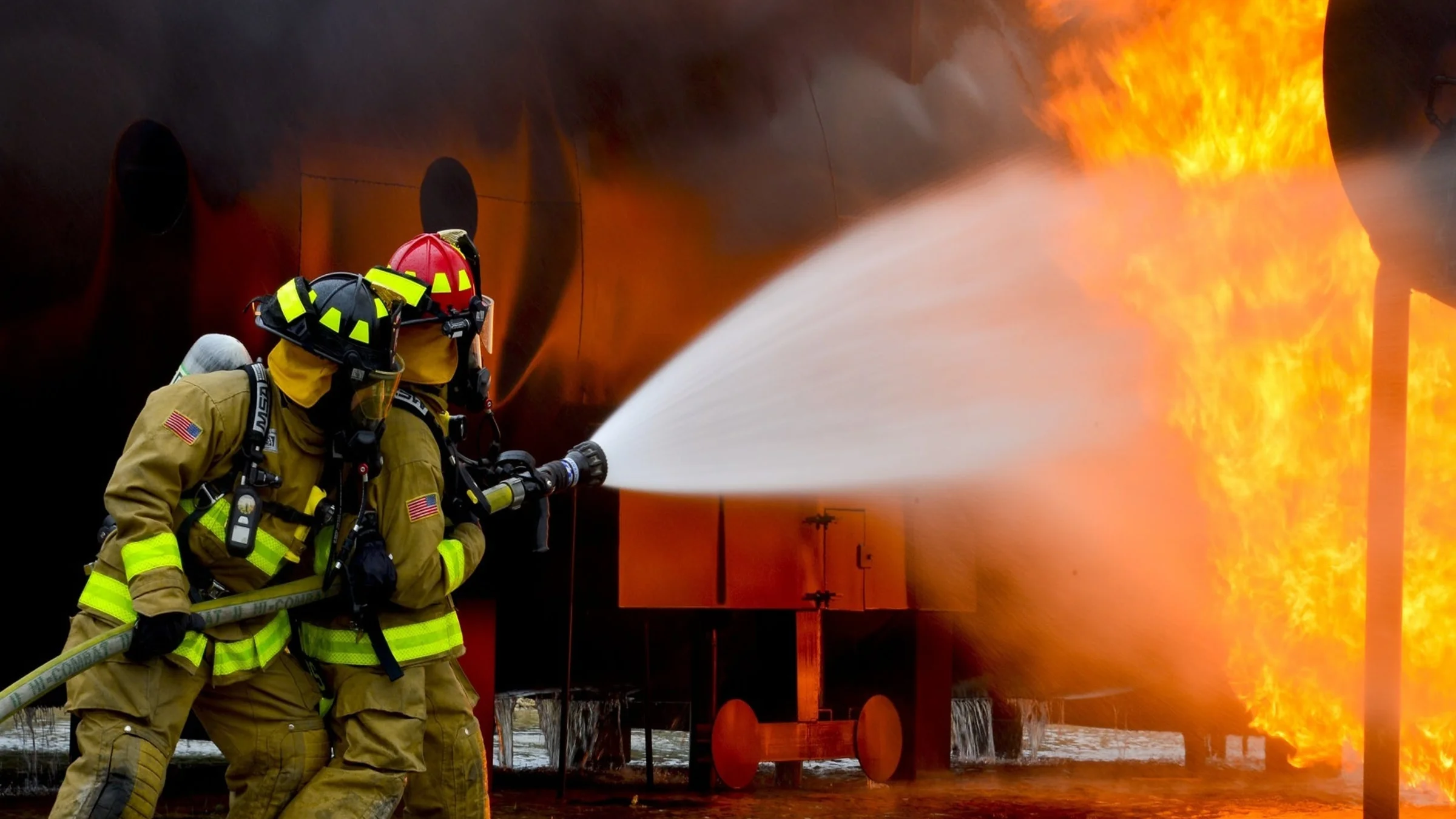
Firefighter: The Backbone of Modern Safety Systems in High-Risk Environments
Understanding the Firefighter’s Role in Today’s Built Environment
A firefighter today is no longer defined only by emergency response. In fast-growing economies and dense urban environments, the firefighter represents a structured safety system that starts long before smoke appears and continues well after an incident is contained. From a DARS perspective, the firefighter is part of an ecosystem that combines people, processes, and protection systems to safeguard lives and assets.
This expanded role matters because modern cities are more complex. High-rise developments, industrial zones, logistics hubs, and megaprojects create layered risks that demand readiness, coordination, and prevention. Firefighter safety is therefore inseparable from how buildings are designed, how systems are maintained, and how people are trained to react under pressure.
What connects all of this is response time and preparedness. The faster and more coordinated the response, the lower the damage and human cost. This idea forms the foundation for understanding how firefighting has evolved from a reactive profession into a proactive discipline.
Firefighters in Saudi Arabia: A High-Stakes Operating Context
Urban Growth and Risk Concentration
Saudi Arabia’s rapid urban expansion has reshaped the firefighting landscape. Cities like Riyadh and Jeddah now host dense commercial districts, large residential towers, and industrial facilities operating around the clock. Under the Saudi Civil Defense, firefighters are trained to operate in environments where incidents can escalate quickly if systems fail or procedures are ignored.
This context explains why firefighter operational readiness is emphasized so strongly. It is not enough to respond quickly; teams must understand building layouts, suppression systems, evacuation strategies, and hazardous material protocols before an incident occurs. According to guidance aligned with the National Fire Protection Association, preparedness reduces both casualties and long-term operational disruption. This is echoed in frameworks discussed by organizations such as the NFPA, which consistently link preparedness with measurable risk reduction.
Vision 2030 and the Expanding Scope of Firefighting
Vision 2030 megaprojects add another layer of complexity. Airports, entertainment districts, industrial corridors, and tourism developments require integrated firefighter protection systems rather than standalone solutions. Firefighters are now involved in drills, inspections, and scenario planning during the construction and commissioning phases of projects.
From a safety systems standpoint, this shift highlights why firefighter incident prevention has become just as important as suppression. When risks are identified early, response becomes controlled rather than chaotic. This transition naturally leads into the importance of training and professional development.
Firefighter Training as a Strategic Safety Investment
Why Training Defines Outcomes
Firefighter training is often discussed as a requirement, but in practice, it functions as a strategic investment. Well-trained firefighters reduce insurance losses, limit downtime for facilities, and increase confidence among occupants and operators. Training builds muscle memory, decision-making speed, and coordination under stress.
In Saudi Arabia, many training programs align with internationally recognized standards such as NFPA 1001. These programs do more than teach how to extinguish fires. They cover rescue operations, hazardous materials awareness, and communication protocols. Institutions offering NFPA-aligned certifications emphasize competence because competence directly affects firefighter response time during critical moments. Providers such as FSA-KSA outline how structured certification programs support consistent performance across different incident types.
Training Beyond the Fire Station
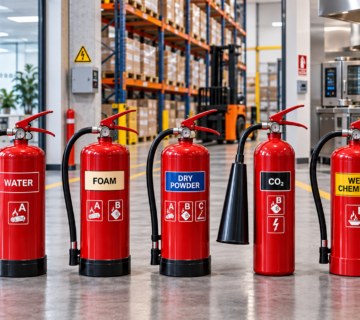
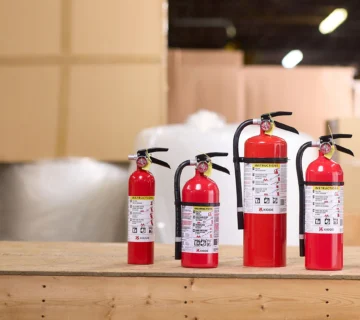
Modern firefighter training extends beyond professional crews. Industrial facilities, commercial buildings, and public institutions increasingly rely on trained internal response teams to contain incidents in their earliest stages. Basic programs teach extinguisher use, hose handling, and evacuation coordination, forming the first line of defense before professional units arrive.
This layered approach strengthens firefighter emergency preparedness across the entire environment. It also reinforces the idea that firefighting is not isolated to uniformed professionals but embedded within broader safety cultures.
Equipment: Where Technology Meets Human Skill
The Evolution of Firefighter Equipment
Firefighter equipment has evolved significantly, driven by changes in building materials, fire behavior, and environmental conditions. Personal protective gear, breathing apparatus, thermal cameras, and communication tools are now designed to support both safety and efficiency. In regions with extreme heat, such as Saudi Arabia, equipment selection directly impacts endurance and decision-making.
From a systems perspective, equipment must align with operational realities. Advanced pumps, detection tools, and monitoring systems improve situational awareness, but only when firefighters are trained to interpret and act on the data they provide. This balance between technology and human judgment defines effective firefighter risk management.
Organizations that outline equipment requirements within regulatory frameworks, such as insights shared by LifeCo, emphasize compatibility with Saudi Civil Defense expectations. Compliance ensures that equipment supports coordinated response rather than creating fragmentation during emergencies.
Equipment as Part of a Protection Strategy
It is important to view equipment as one component of a larger firefighter protection system. Detection, suppression, alarms, and command structures must work together. When systems are integrated and maintained, firefighters can focus on execution rather than improvisation.
Compliance Standards and Operational Discipline
Why Standards Matter on the Ground
Firefighter compliance standards are often perceived as administrative, but their real value appears during incidents. Standards define equipment specifications, training hours, inspection cycles, and response protocols. When followed consistently, they reduce uncertainty and improve coordination between teams.
In Saudi Arabia, alignment with NFPA principles and local Civil Defense regulations creates a common operational language. This is particularly important in mixed-use developments where industrial, residential, and commercial risks intersect. Publications from Risks Control highlight how compliance frameworks directly support safer outcomes rather than merely fulfilling regulatory obligations.
Compliance as a Living Process
Compliance is not static. As buildings age and usage patterns change, firefighter protection systems must be reviewed and updated. Regular audits, drills, and maintenance ensure that systems perform as designed. This ongoing process links compliance with continuous improvement, reinforcing firefighter operational readiness over time.
At this stage, the discussion naturally moves from structure and preparation toward the daily realities firefighters face. Understanding these realities is essential before exploring career paths and advanced challenges, which will be addressed in the next section.
Firefighter Career Path: From Entry to Advanced Specialization
Entry Requirements and Professional Foundations
The firefighter career path is built on discipline, physical readiness, and structured progression. In Saudi Arabia, entry into the profession typically begins through Saudi Civil Defense academies, where candidates are evaluated on physical fitness, cognitive readiness, and the ability to operate under pressure. These requirements exist for a reason: the firefighter role demands fast judgment, teamwork, and resilience in unpredictable conditions.
What distinguishes this pathway is how early responsibility is introduced. Even at entry level, firefighters are trained to think in systems rather than isolated tasks. They learn how individual actions affect team safety, response time, and incident outcomes. This foundation ensures that firefighter safety is embedded into behavior, not treated as an afterthought.
As urban risks increase, the value of structured onboarding becomes clearer. Cities with complex infrastructure require firefighters who can quickly interpret building layouts, alarm systems, and suppression mechanisms, reinforcing why early-stage training must be rigorous and standardized.
Progression Through Continuous Training
Advancement in firefighting is less about seniority and more about competence. After initial qualification, firefighters move into advanced training phases that deepen technical skills and situational awareness. This includes specialized firefighter training in hazardous materials, confined space rescue, and high-rise operations.
These stages matter because modern incidents rarely follow simple patterns. Industrial fires, electrical faults, or chemical leaks require firefighters who can adapt tactics in real time. Programs aligned with international standards, such as those outlined by accredited institutions like Tamkene, emphasize repetition and realism to prepare firefighters for high-stress environments.
This continuous development model strengthens firefighter operational readiness. Each training phase builds on the previous one, ensuring that experience translates into faster, safer, and more coordinated responses.
Daily Responsibilities Inside and Outside Emergencies
Life at the Fire Station
Contrary to popular perception, much of a firefighter’s work happens outside active emergencies. Daily routines include equipment checks, system inspections, drills, and community engagement. These tasks are not administrative fillers; they are core components of firefighter incident prevention.
Equipment inspections ensure that breathing apparatus, pumps, and communication tools function reliably. Even minor faults can compromise firefighter response time during an incident. Regular drills reinforce coordination, allowing teams to operate almost instinctively when seconds matter.
From a safety systems perspective, these routines transform preparedness into habit. When emergencies occur, firefighters are not reacting from zero; they are executing rehearsed procedures shaped by constant readiness.
Public Awareness and Prevention Roles
Firefighters also play a crucial role in public education. Awareness campaigns, site visits, and evacuation demonstrations help organizations and communities understand their responsibilities during emergencies. This interaction reduces panic and confusion, which are often greater risks than the fire itself.
In industrial and commercial environments, firefighter involvement in audits and drills strengthens compliance culture. It ensures that building occupants understand alarm signals, escape routes, and assembly points. This collaborative approach supports firefighter emergency preparedness by reducing the number of variables responders face during real incidents.
The daily rhythm of prevention, inspection, and education reinforces the idea that firefighting is as much about foresight as it is about action.
Environmental and Operational Challenges in Saudi Arabia
Extreme Climate Conditions
Firefighting in Saudi Arabia presents unique environmental challenges. High temperatures, dust, and humidity place additional strain on both personnel and equipment. Firefighter equipment must be selected and maintained with these conditions in mind to avoid fatigue and equipment failure.
Training programs increasingly emphasize hydration strategies, heat stress management, and the use of cooling technologies. These measures directly support firefighter safety by extending endurance during prolonged operations. Without this preparation, even the most advanced tools become ineffective under harsh conditions.
This environmental reality also affects response planning. Firefighters must balance speed with sustainability, ensuring that teams remain effective throughout extended incidents.
High-Risk Infrastructure and Megaprojects
The scale of modern infrastructure adds complexity to firefighting operations. High-rise towers, underground facilities, and industrial plants require specialized response strategies. Firefighters must understand vertical evacuation, smoke control systems, and compartmentalization principles to operate safely.
Saudi Arabia’s ongoing development projects highlight the importance of firefighter risk management at the design and operational levels. When safety systems are integrated early, firefighters can rely on engineered controls rather than improvisation. Articles discussing upcoming regulatory updates, such as those covered by the International Fire and Safety Journal, emphasize how evolving standards support safer intervention.
Technology and the Modern Firefighter
Digital Tools and Data-Driven Response
Technology has reshaped how firefighters assess and manage incidents. Drones, thermal imaging, and AI-enabled monitoring systems provide real-time data that improves situational awareness. These tools help identify hotspots, structural risks, and safe entry points before firefighters commit resources.
However, technology alone does not guarantee safety. Firefighter training must include interpretation and decision-making based on digital inputs. When integrated properly, these tools reduce exposure time and enhance firefighter response time without increasing cognitive overload.
This blend of human expertise and digital support defines modern firefighter operational readiness. It allows teams to act decisively while minimizing unnecessary risk.
Integration with Protection Systems
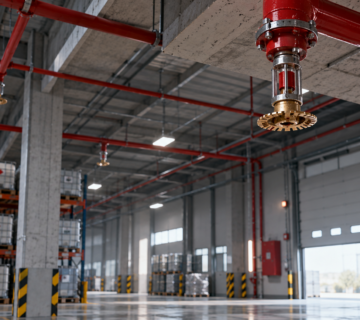
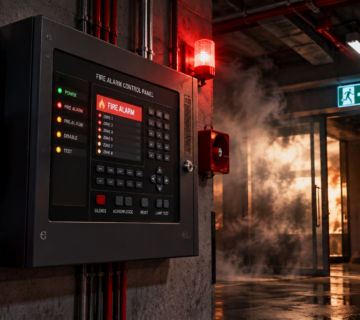
Advanced firefighter protection systems link alarms, suppression, and command centers into unified platforms. When a fire is detected, information flows automatically to responders, enabling faster mobilization and targeted intervention.
This integration reduces uncertainty during the first critical minutes of an incident. Firefighters arrive with context, not assumptions. From a DARS viewpoint, this systems integration is where prevention, compliance, and response converge into measurable safety outcomes.
As technology continues to evolve, the firefighter’s role increasingly involves managing systems rather than reacting blindly to hazards.
Firefighting as a Shared Responsibility
By the time an incident reaches a firefighter, multiple systems have already succeeded or failed. This is why modern firefighting cannot be viewed as a standalone profession operating in isolation. It is the final, most visible layer of a broader safety framework that includes planning, design, maintenance, and human behavior.
Organizations that understand this reality invest not only in response but in prevention. When buildings are designed with clear evacuation paths, reliable detection, and compliant suppression systems, firefighters are able to act decisively rather than defensively. This directly improves firefighter safety while reducing damage and recovery time.
From a DARS perspective, the strongest safety outcomes emerge when responsibility is shared between operators, contractors, regulators, and responders, all working toward the same objective.
The Role of Safety Contractors in Firefighter Readiness
Designing for Real-World Response
Safety systems are often evaluated on paper, but their true test comes during live incidents. Contractors play a critical role in translating codes and standards into systems that function under pressure. This means designing layouts, alarms, and suppression systems that align with how firefighters actually operate on site.
When systems are intuitive and well-integrated, firefighter response time improves naturally. Responders spend less time interpreting signals and more time executing tactics. This is why compliance should never be treated as a checkbox exercise, but as a performance-driven process.
Guidance rooted in Saudi Civil Defense requirements and international benchmarks ensures that systems support firefighters rather than complicate their work. Resources like DARS’s overview of compliant solutions, available through its services section, reflect this practical, response-focused approach.
Maintenance as a Form of Prevention
Even the best-designed systems degrade without proper maintenance. Regular testing, inspections, and updates ensure that alarms activate, pumps deliver pressure, and suppression systems respond as intended. This ongoing care directly supports firefighter incident prevention by reducing the likelihood of uncontrolled escalation.
Maintenance also builds trust. When firefighters know that systems are reliable, they can commit resources with confidence. This trust shortens decision cycles and enhances coordination during emergencies.
In this sense, maintenance is not a background activity. It is an active contributor to firefighter operational readiness and overall resilience.
Community and Organizational Preparedness
Training Occupants to Support Response
Firefighter emergency preparedness extends beyond professional teams. Occupants who understand evacuation procedures, alarm signals, and basic fire response reduce chaos during incidents. This cooperation allows firefighters to focus on containment and rescue rather than crowd control.
Organizations that conduct regular drills and awareness sessions create environments where people respond predictably. This predictability lowers risk for both occupants and responders. It also aligns with best practices outlined in international safety guidance, including those discussed by Risks Control, which link awareness directly to reduced casualties.
Prepared communities act as force multipliers for firefighters, turning potential obstacles into assets during emergencies.
Aligning Culture with Compliance
A strong safety culture reinforces firefighter compliance standards in everyday operations. When employees respect alarms, keep exits clear, and report hazards early, systems function as designed. Firefighters arriving on site then encounter environments that support rather than hinder intervention.
This cultural alignment does not happen by accident. It requires consistent messaging, leadership commitment, and reinforcement through policy and practice. Over time, this alignment transforms compliance from obligation into habit, strengthening the entire safety ecosystem.
Firefighters and the Future of Urban Safety
Adapting to Smarter Cities
As cities become smarter, firefighting strategies must evolve alongside them. Sensors, integrated building management systems, and predictive analytics are changing how risks are identified and addressed. Firefighters increasingly rely on data to anticipate hazards rather than respond blindly.
This shift supports firefighter risk management by reducing uncertainty. When systems communicate conditions in real time, firefighters can choose safer entry points and allocate resources more effectively. The result is faster containment with lower exposure.
Articles from platforms such as the International Fire and Safety Journal highlight how regulatory updates are adapting to this technological reality, reinforcing the connection between innovation and safety outcomes.
Human Judgment in a Digital Environment
Despite technological advances, the firefighter remains the decisive factor. Tools support judgment, but they do not replace it. Training must therefore balance technical literacy with critical thinking and situational awareness.
Firefighters who understand both systems and human behavior are better equipped to manage complex incidents. This dual competence ensures that technology enhances rather than overwhelms operational effectiveness.
The future of firefighting lies in this balance between human expertise and intelligent systems, each reinforcing the other.
Investing in Firefighter Protection Systems
Long-Term Value Over Short-Term Savings
Investment decisions in fire safety often focus on upfront costs rather than long-term value. However, robust firefighter protection systems deliver returns through reduced losses, lower insurance exposure, and improved business continuity.
When systems perform reliably, incidents are contained earlier, and recovery is faster. Firefighters face fewer hazards, and organizations maintain operational stability. This value proposition becomes especially clear in high-risk sectors such as industrial facilities and large commercial developments.
Collaboration as the Key to Resilience
True resilience emerges from collaboration. Firefighters, safety contractors, regulators, and facility operators must communicate openly and plan collectively. When this collaboration exists, systems evolve with changing risks rather than becoming obsolete.
This cooperative model ensures that firefighter safety remains central as environments grow more complex. It also reinforces trust, which is essential during high-pressure situations where coordination determines outcomes.
Final Reflection: The Firefighter as a System Outcome
The firefighter represents the visible edge of a much deeper system. Their effectiveness is shaped long before an alarm sounds, through design decisions, training programs, maintenance practices, and cultural attitudes toward safety.
In Saudi Arabia’s rapidly evolving landscape, this interconnected view is no longer optional. Firefighter safety, training, equipment, and response time depend on how well systems are planned and maintained across their lifecycle.