
The Role of Fire Fighting Sprinkler Systems in Modern Safety
A fire fighting sprinkler system stands as one of the most critical components of any building’s fire safety infrastructure. Designed to automatically detect and suppress fires before they spread, sprinkler systems are not just a safety requirement, they’re a life-saving necessity. In Saudi Arabia, where rapid urbanization and industrial expansion continue to reshape the skyline, ensuring effective building fire protection has become both a regulatory and moral responsibility.
These systems align with Saudi Civil Defense standards, the Saudi Building Code, and international NFPA compliance regulations to maintain the highest levels of safety and reliability. For contractors like DARS, implementing these systems means more than ticking boxes it’s about protecting lives and property through precision engineering and continuous improvement.
Understanding Fire Fighting Sprinkler Systems
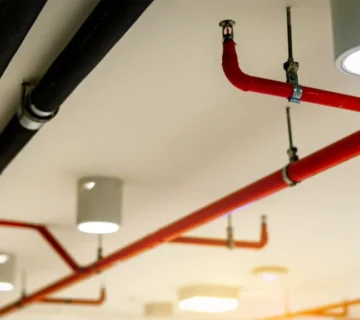
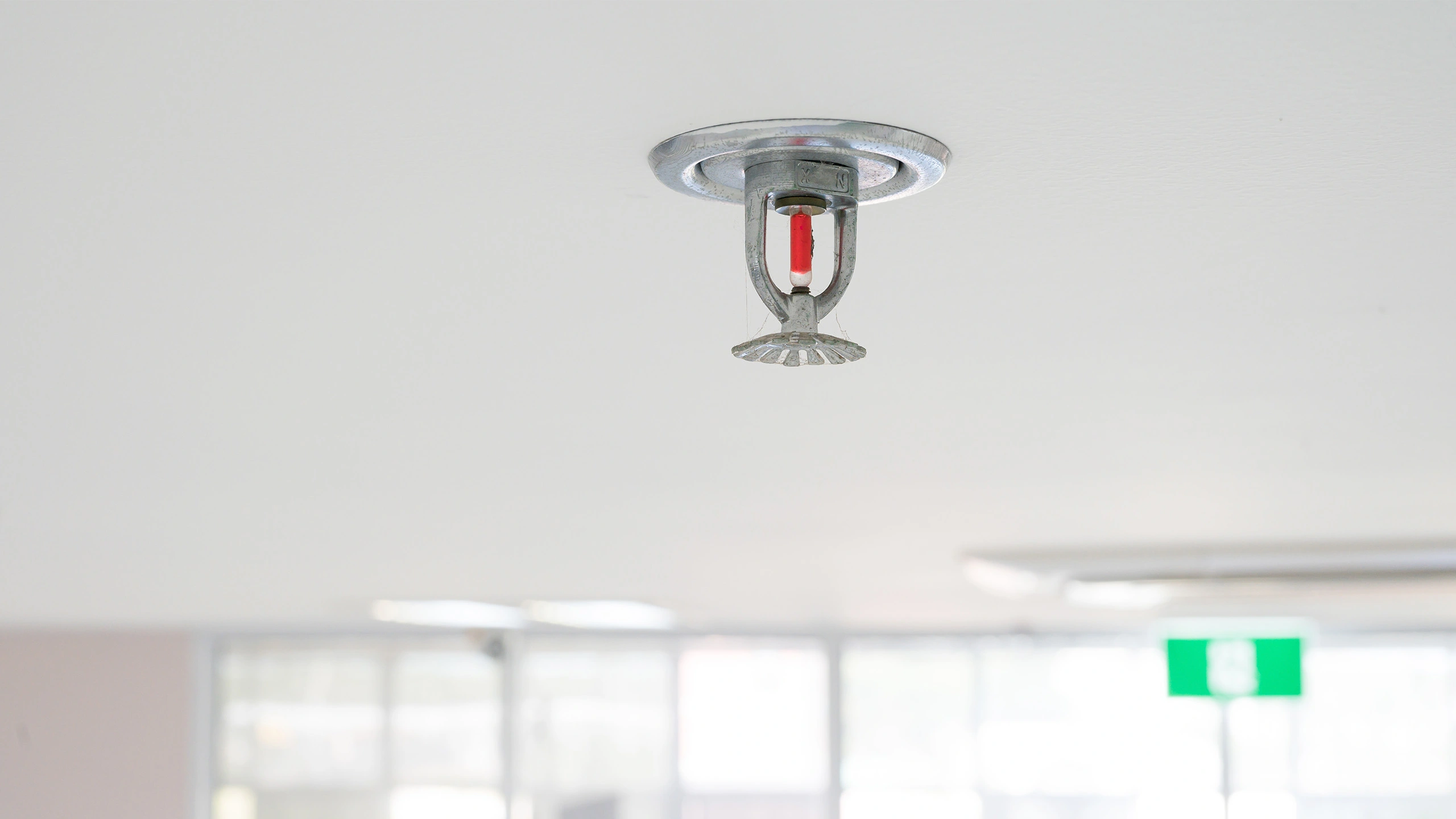
Fire sprinkler systems are automatic, water-based fire suppression networks that activate when heat is detected. Each sprinkler head contains a glass bulb filled with a liquid that expands under heat. When temperatures reach a critical threshold, typically between 68°C and 74°C, the bulb bursts, releasing pressurized water directly onto the flames below.
The system’s genius lies in its individual activation mechanism; only sprinklers directly affected by the fire are triggered, minimizing water damage while maximizing suppression efficiency. This targeted response makes it one of the most efficient fire safety solutions globally, proven to reduce fatalities by more than 80% in protected buildings (source).
Types of Fire Fighting Sprinkler Systems in Saudi Arabia
Different environments require tailored protection strategies. Saudi Arabia’s diverse landscape spanning residential skyscrapers, industrial facilities, and cultural landmarks demands customized fire suppression systems.
Wet Pipe Systems
Wet pipe systems are the most common type. They keep water pressurized within the pipes at all times, ensuring instant discharge once a sprinkler head activates. They’re ideal for areas without freezing risks, such as commercial towers and malls.
Dry Pipe Systems
Dry systems contain pressurized air or nitrogen instead of water. Once triggered, the air is released first, allowing water to flow through. These systems are typically used in colder environments or sensitive areas where accidental leaks could cause damage.
Pre-Action Systems
Pre-action systems combine dry pipe technology with a secondary activation step, such as a fire alarm integration signal. They’re perfect for spaces like data centers, museums, or archives, where accidental water release could be catastrophic.
Deluge Systems
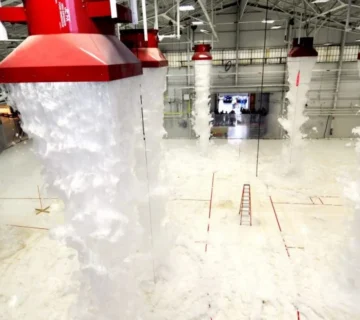
Deluge systems are used in high-hazard environments like petrochemical plants or aircraft hangars where rapid, simultaneous water discharge across all heads is necessary. These systems are manually or electronically controlled to release large volumes of water at once.
Together, these four system types represent a spectrum of solutions for water-based suppression across Saudi Arabia’s various industries.
How Fire Sprinkler Systems Work
Every component of a sprinkler system from the pump to the piping network works in perfect coordination. Here’s a closer look at the operational framework:
- Detection: The heat from a fire causes the sprinkler’s glass bulb to burst.
- Activation: Water, stored under pressure, rushes through the pipes toward the activated head.
- Suppression: The sprinkler disperses water in a fine spray, cooling the fire and surrounding area to prevent reignition.
Unlike popular belief, not all sprinklers activate simultaneously. Each operates independently, targeting the exact source of the fire. This mechanism is both efficient and economical, conserving water while ensuring the fire is swiftly contained.
The hydraulic design ensures that each sprinkler receives sufficient flow and pressure, a process governed by NFPA 13an international standard also adopted by Saudi authorities to ensure uniform system reliability (reference).
Legal and Regulatory Framework in Saudi Arabia
Saudi Arabia has one of the most stringent fire protection frameworks in the region. The Saudi Civil Defense enforces standards that regulate everything from system design to maintenance frequency. Compliance with civil defense standards and NFPA guidelines isn’t optionalit’s mandatory for occupancy permits and insurance validity.
Civil Defense and the Saudi Building Code (SBC)
The SBC integrates global best practices with local safety requirements, ensuring that all structures meet minimum safety thresholds. Sprinkler systems must adhere to specific codes based on occupancy classification, building height, and fire load risk.
NFPA Compliance and Inspections
Contractors are required to design and install systems in accordance with NFPA 13 and NFPA 25, which outline the installation and maintenance standards for sprinkler systems. Regular inspections and testing must be documented and reported to the Civil Defense authorities.
These regulations not only standardize safety across industries but also elevate Saudi Arabia’s reputation for fire prevention technology and infrastructure resilience.
Choosing the Right Sprinkler System for Your Building
Selecting the right fire fighting sprinkler system involves evaluating multiple factors: hazard level, building function, and occupancy type.
For example:
- Residential buildings: Wet pipe systems are the go-to option due to simplicity and cost-effectiveness.
- Hospitals and data centers: Pre-action systems prevent accidental water release in sensitive environments.
- Industrial plants: Deluge systems offer robust protection against flammable liquids and high-intensity fires.
Each system must be supported by professional design calculations, ensuring the optimal balance between cost, safety, and emergency response readiness.
Fire Sprinkler Systems and Smart Technology
The integration of digital technology into fire safety systems marks a major step forward for Saudi Arabia’s fire safety solutions market. IoT-enabled sensors can detect anomalies such as pressure drops, water leakage, or blocked pipes in real time. This allows facility managers to monitor system health through centralized dashboards and receive alerts for maintenance.
Predictive maintenance powered by data analytics helps anticipate faults before they occur. Instead of routine manual checks, sensors continuously collect performance data, improving efficiency and reducing human error.
DARS is among the Saudi contractors leveraging this digital shift, applying fire prevention technology that aligns with global sustainability goals. By integrating smart monitoring systems, they not only ensure compliance but also help businesses reduce operational risks.
The Growing Importance of Fire Sprinkler Systems in Saudi Arabia
As urban centers like Riyadh, Jeddah, and NEOM expand, the need for advanced fire suppression systems continues to grow. New commercial complexes, industrial zones, and residential developments are all required to install compliant sprinkler systems as part of their building fire protection plans.
Government initiatives, including the Vision 2030 framework, emphasize safety as a cornerstone of development. This alignment between public safety policy and private sector compliance ensures long-term resilience and sustainability.
Designing Fire Fighting Sprinkler Systems: The Foundation of Safety
The design phase of a fire fighting sprinkler system defines its effectiveness long before a single pipe is installed. Every decision from sprinkler head placement to water flow rate affects how efficiently the system suppresses fires. In Saudi Arabia, contractors like DARS follow rigorous design protocols that comply with civil defense standards and NFPA 13 guidelines. The design begins with a hazard assessment, evaluating the building’s purpose, contents, and potential fire sources. A warehouse storing flammable liquids, for instance, requires a completely different layout and discharge density than a residential tower.
Hydraulic calculations form the backbone of this process. These determine the minimum water pressure and flow required for optimal system performance. Engineers use advanced modeling tools to ensure that each sprinkler head delivers precise water coverage across its designated area. The end goal is to achieve uniform building fire protection, balancing efficiency, cost, and safety.
Installation: Turning Design into Reality
Once the design is approved by Saudi Civil Defense, installation begins under strict supervision. Every fitting, valve, and control panel must align perfectly with the approved blueprints. DARS’s approach emphasizes precision and compliance, ensuring that systems are both technically sound and seamlessly integrated with fire alarm integration setups.
Proper pipe routing prevents pressure drops and ensures water reaches each zone within seconds. Equally important is the connection to a dependable water source, often through a fire pump and storage tank system. For large-scale facilities such as hospitals or petrochemical plants, redundancy is built into the system/secondary pumps or alternate water supplies to guarantee uninterrupted operation during emergencies.
Installation is followed by pressure testing and flushing procedures to eliminate debris that could block sprinkler heads. Only after these checks does the system undergo a full-scale performance test under the supervision of the Civil Defense authority. This phase certifies that the system is ready for activation and meets NFPA compliance benchmarks.
Integration with Other Fire Safety Systems
Modern fire safety no longer operates in isolation. Sprinkler systems are now part of interconnected networks that include fire alarm systems, smoke detectors, and emergency lighting. When integrated properly, these systems work together to create a synchronized emergency response. For example, when a sprinkler head activates, it triggers alarms, initiates evacuation protocols, and alerts emergency personnel automatically.
This level of coordination enhances emergency response readiness. Integration also supports remote monitoring, allowing facility managers to view live system data, track maintenance alerts, and even initiate manual overrides when needed. This holistic approach transforms passive protection into active prevention, which is essential for high-density urban buildings across Saudi Arabia.
The Importance of Maintenance and Inspections
A well-installed sprinkler system can only perform if maintained consistently. Over time, dust, corrosion, or mechanical wear can reduce efficiency. Regular inspections are therefore critical, ensuring each component remains functional. According to NFPA 25, systems must undergo monthly visual checks, quarterly valve inspections, and annual water flow tests.
In Saudi Arabia, Civil Defense regulations mirror these international standards, requiring building owners to maintain detailed inspection records. These documents are reviewed during periodic audits to confirm continued compliance. DARS’s safety maintenance services include cleaning, testing, and recalibration, ensuring every valve, pump, and detector operates flawlessly.
Neglecting maintenance doesn’t just risk penalties, it can cost lives. A clogged sprinkler head or inactive pump can turn a small incident into a large-scale disaster. Proper upkeep ensures systems respond within seconds, minimizing damage and maximizing survival odds.
Smart Monitoring and Predictive Maintenance
The digital transformation sweeping through Saudi Arabia’s construction sector has extended into fire suppression systems. Smart monitoring solutions now use Internet of Things (IoT) technology to track performance in real time. Pressure sensors, flow meters, and temperature detectors continuously feed data to a central control panel or cloud-based dashboard.
This data enables predictive maintenance, allowing issues to be identified before they escalate. Instead of discovering a malfunction during an emergency, operators receive alerts when a valve sticks, a pipe leaks, or pressure drops below safe levels. Over time, the system learns operational patterns, helping engineers forecast maintenance schedules with remarkable accuracy.
DARS has adopted this approach to modernize fire prevention technology in commercial and industrial projects. The company’s strategy integrates smart sensors into every new installation, offering clients an upgraded layer of safety and operational transparency.
Challenges in Retrofitting Older Buildings
Saudi Arabia’s urban landscape includes many buildings constructed before the enforcement of modern fire safety codes. Retrofitting these structures with sprinkler systems poses unique challenges. Older buildings may have limited space for piping, insufficient water supply, or outdated electrical systems that complicate fire alarm integration.
In such cases, engineers must balance innovation with preservation. Lightweight piping materials, modular designs, and compact sprinkler heads help overcome space constraints. Water mist systems, for example, provide effective suppression using less water, making them suitable for heritage buildings or confined areas.
However, successful retrofitting depends heavily on collaboration between contractors, architects, and civil defense authorities. Each modification must pass regulatory inspection to ensure it does not compromise the building’s integrity or safety.
Training and Awareness: Building a Safety Culture
Even the most advanced systems rely on human understanding. Building managers, technicians, and occupants must be trained to respond effectively during fire emergencies. Training covers identifying alarm signals, locating emergency exits, and understanding how fire suppression systems function.
DARS frequently conducts on-site workshops for client teams, emphasizing the importance of early reporting and regular system checks. This proactive approach ensures that everyone involved from maintenance staff to facility administrators shares responsibility for safety.
Cultivating this awareness contributes to Saudi Arabia’s broader vision of community resilience under Vision 2030, where safety and sustainability go hand in hand.
The Role of Contractors in Ensuring Compliance
Installing a sprinkler system is more than a technical taskit’s a long-term safety commitment. Certified contractors play a crucial role in maintaining quality and accountability. In Saudi Arabia, only contractors classified by the Civil Defense can legally install, test, and maintain fire protection systems.
DARS’s classification as a trusted fire safety solutions provider positions it as a leader in this field. Each project undergoes a comprehensive review to verify adherence to both Saudi and international standards. The company’s building fire protection portfolio spans residential, commercial, and industrial facilities, showcasing its ability to adapt to diverse safety challenges.

Innovation and Sustainability in Fire Protection
The global push toward sustainability has encouraged the development of environmentally conscious fire suppression systems. Modern sprinklers now use recycled materials and energy-efficient pumps that minimize water waste. Some systems even employ smart controls to regulate discharge rates based on fire severity, conserving water while maintaining effectiveness.
Saudi Arabia’s ongoing investment in smart cities, such as NEOM, aligns perfectly with this innovation wave. Integrating fire prevention technology within green building frameworks not only enhances safety but also supports environmental objectives.
DARS continues to explore these solutions, ensuring its clients benefit from sustainable systems that meet global safety expectations while respecting local ecological priorities.
The Future of Fire Fighting Sprinkler Systems in Saudi Arabia
As Saudi Arabia continues to transform into a global hub for innovation and development, the future of fire fighting sprinkler systems is evolving rapidly. The nation’s commitment to safety, urban resilience, and sustainability has paved the way for advanced technologies that go far beyond traditional water-based suppression. From AI-powered sensors to smart infrastructure integration, the next generation of fire safety solutions promises a new era of precision, efficiency, and accountability.
Vision 2030 serves as the foundation for this transformation. By promoting digitalization and sustainability across all sectors, it indirectly drives improvements in building fire protection. Developers and contractors are now expected not only to meet basic safety requirements but also to adopt intelligent systems that anticipate risks before they become threats.
Smart Cities and Integrated Fire Protection
The concept of smart cities like NEOM and The Line redefines how safety is managed. In these environments, fire suppression systems are interconnected with energy, security, and environmental networks. This integration allows fire incidents to be detected, localized, and addressed automatically, sometimes even before flames appear.
IoT-enabled sprinkler systems communicate directly with centralized monitoring platforms, feeding real-time data on temperature, smoke levels, and pressure changes. Artificial intelligence then analyzes these inputs, predicting potential hazards and activating appropriate preventive measures. The result is a seamless ecosystem where fire prevention technology operates continuously in the background, ensuring both safety and efficiency.
This approach not only enhances public safety but also reduces operational costs for building owners, as maintenance becomes proactive rather than reactive. It’s a model that represents the future of Saudi Arabia’s fire protection landscape.
Artificial Intelligence and Data-Driven Fire Management
Artificial intelligence (AI) is emerging as a cornerstone of modern fire protection. Advanced analytics can process data from thousands of sensors simultaneously, identifying unusual patterns that might indicate early signs of equipment failure or fire risk. For instance, a slight drop in water pressure or a delay in sensor response can trigger automatic maintenance alerts, preventing downtime and ensuring constant readiness.
Machine learning algorithms are also being used to optimize sprinkler design. By analyzing vast datasets from previous fire incidents, AI can predict how fires are likely to spread within specific building types, allowing engineers to refine system layouts for maximum coverage and minimal resource waste.
Compliance and Continuous Adaptation to Standards
Saudi Arabia’s civil defense standards and NFPA compliance frameworks will continue to evolve alongside these technologies. Regulatory bodies are increasingly incorporating global benchmarks while maintaining strict oversight on local implementation. This ensures that all new buildings, commercial, industrial, and residential adhere to the highest safety principles.
DARS stays at the forefront of these developments by aligning its projects with the latest updates from the Saudi Building Code and NFPA revisions. Continuous professional training, regular system audits, and certification renewals are part of the company’s ongoing effort to maintain leadership in the fire protection industry.
In this environment of change, compliance becomes more than a requirement it becomes a measure of trust. Clients who choose certified contractors ensure not just installation quality but also long-term peace of mind.
The Growing Market for Fire Protection in Saudi Arabia
Economic diversification under Vision 2030 has accelerated the construction of industrial complexes, logistics hubs, and high-rise residential towers. This surge has directly boosted demand for fire suppression systems. Market reports project consistent growth in Saudi Arabia’s fire safety sector, driven by regulatory enforcement and technological adoption.
As urban density increases, so does the complexity of fire safety planning. Each new project must address unique challenges from underground parking structures requiring special ventilation-linked sprinklers to industrial plants needing high-capacity deluge systems. DARS continues to respond to this demand through customized solutions designed to meet each project’s operational and environmental needs.
The company’s reputation for precision, reliability, and safety maintenance services has positioned it as a trusted partner across industries, reinforcing its role in building a safer Saudi Arabia.
Sustainability and the Shift Toward Water Efficiency
While traditional sprinklers rely heavily on water, emerging technologies are reshaping how water-based suppression is managed. Engineers are now designing systems that use micro-mist discharge tiny droplets that absorb heat more efficiently than conventional sprays. This not only improves fire control but also drastically reduces water usage, supporting the Kingdom’s environmental sustainability goals.
In parallel, recyclable materials and energy-efficient pump systems are being introduced to reduce the carbon footprint of large-scale installations. These innovations align with the global movement toward green building certifications such as LEED and Estidama, both of which prioritize energy and water conservation.
DARS’s approach embraces these principles, integrating eco-conscious practices into every project to ensure both protection and preservation.
Building Awareness and the Human Element in Fire Safety
Technology alone cannot prevent disasters. True safety depends on awareness, discipline, and continuous learning. Training programs are vital for building owners, facility managers, and maintenance teams to understand how their fire safety solutions operate.
By promoting knowledge-sharing initiatives, DARS reinforces its belief that awareness saves lives. The company partners with clients to develop tailored fire response protocols, ensuring staff can act swiftly and confidently during emergencies. This focus on education cultivates a culture of preparedness, one that transforms safety from a system into a shared responsibility.

Common Misconceptions About Sprinkler Systems
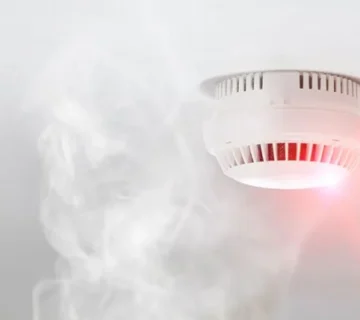
Despite their proven effectiveness, misconceptions about fire fighting sprinkler systems still persist. One common myth is that all sprinklers activate simultaneously, flooding an entire building. In reality, each sprinkler operates independently, targeting only the heat-affected area. Another misconception is that smoke triggers activationsprinklers respond to heat, not smoke, ensuring they function only when necessary.
Clarifying these misunderstandings is essential to encouraging wider adoption. When building owners understand that modern systems are precise, efficient, and compliant with civil defense standards, they become more willing to invest in long-term protection rather than short-term fixes.
Final Recommendations for Businesses and Developers
To build lasting resilience, Saudi organizations must view fire protection as a continuous commitment rather than a one-time installation. Three practices can make a critical difference:
- Partner exclusively with certified contractors to ensure compliance with NFPA standards and local regulations.
- Schedule routine inspections and embrace predictive maintenance technologies for ongoing system reliability.
- Foster a safety-first culture through training and transparent communication between management, staff, and service providers.
These measures not only guarantee protection but also uphold business continuity, a crucial advantage in today’s competitive environment.
Conclusion: Shaping a Safer Future
The evolution of fire fighting sprinkler systems in Saudi Arabia reflects the nation’s broader transformation where innovation, safety, and sustainability converge. What once began as simple water-based mechanisms has now become a complex ecosystem powered by data, intelligence, and human collaboration.
DARS’s role in this landscape is both technical and visionary. By integrating global standards, embracing fire prevention technology, and advancing digital transformation in safety engineering, the company helps secure the Kingdom’s progress one project at a time. Every system installed is more than a network of pipesit is a promise to protect lives and property, to uphold public trust, and to contribute to a future where safety is synonymous with progress.