
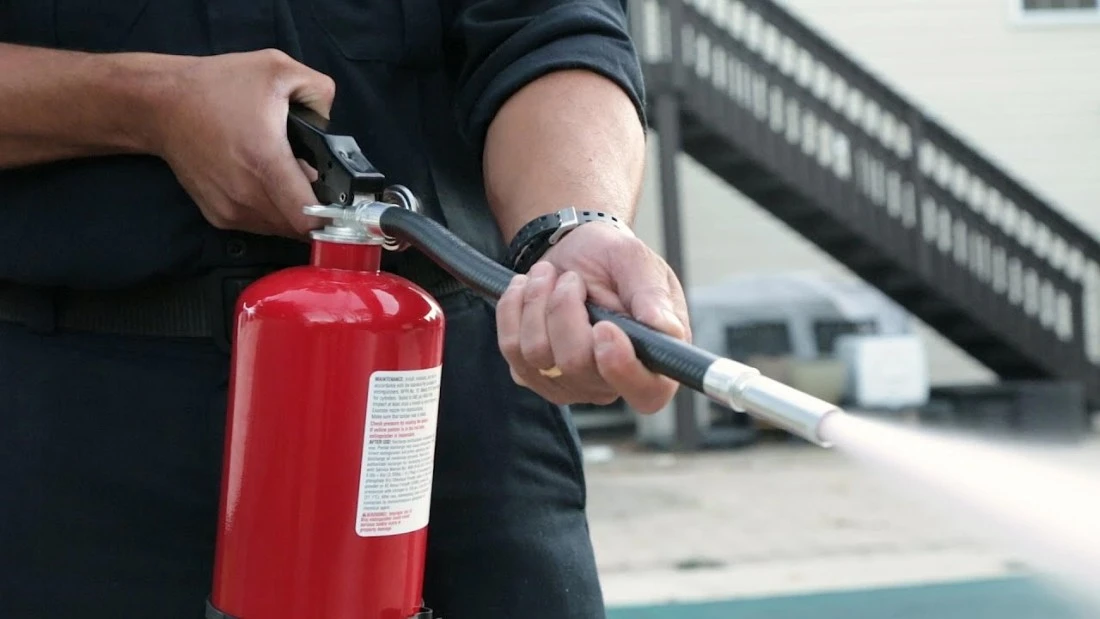
Fire incidents rarely begin as large-scale disasters. In most cases, they start small — a spark in a storage room, overheated wiring near paper files, or unattended materials in a classroom. In such scenarios, the water fire extinguisher often becomes the first and most critical line of defense.
From schools and residential buildings to administrative offices and light industrial facilities, water extinguishers remain one of the most widely used types of fire safety equipment in Saudi Arabia. Their simplicity, cost-effectiveness, and compliance with Civil Defense regulations make them a staple in low-risk environments. Yet despite their popularity, misconceptions about their proper use, placement, and limitations remain common.
This guide, written from DARS’s professional perspective, explains where water extinguishers fit within broader commercial fire safety systems, how they support workplace fire compliance, and why correct usage directly impacts emergency fire response outcomes.
Understanding the Water Fire Extinguisher
What Is a Water Fire Extinguisher?
A water fire extinguisher is designed specifically to combat Class A fires. These fires involve ordinary combustible materials such as wood, paper, textiles, cardboard, and certain plastics. The extinguisher works by cooling the burning material below its ignition temperature, effectively stopping combustion without leaving chemical residues.
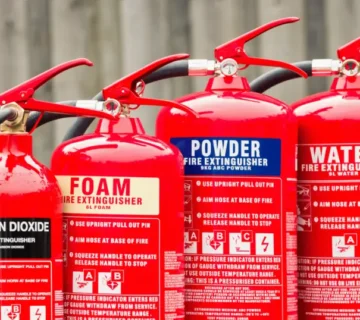
Unlike foam or powder-based fire suppression solutions, water extinguishers do not introduce additional agents into the environment. This makes them particularly suitable for educational institutions, offices, and residential compounds where contamination or post-fire cleanup must be minimized.
According to the National Fire Protection Association (NFPA), Class A fires are among the most common types of fire incidents globally. In rapidly urbanizing regions of Saudi Arabia, where paper-based documentation, furnishing materials, and packaging waste are common in commercial buildings, the relevance of water-based Class A fire protection remains high.
This leads directly to an essential question: why are they so prominent in Saudi Arabia specifically?
Why Water Fire Extinguishers Matter in Saudi Arabia
Saudi Arabia’s regulatory landscape places strong emphasis on fire prevention and code compliance. The Saudi Civil Defense enforces clear requirements regarding extinguisher types, installation standards, and maintenance schedules across residential, commercial, and industrial properties.
Water fire extinguishers are frequently mandated in low-risk areas as part of broader building fire safety standards. In offices, government buildings, schools, and warehouses storing non-flammable materials, Civil Defense inspections often verify the correct distribution of Class A-rated extinguishers.
The reason is practical. Water extinguishers are:
- Cost-effective and widely available
- Environmentally safe for low-risk environments
- Easy to operate during emergency fire response situations
In a hot climate like Saudi Arabia’s, early intervention is critical. A small fire in paper storage can escalate quickly under dry conditions. Proper placement of water extinguishers significantly reduces the risk of minor incidents becoming structural fires.
For further insights into extinguisher requirements in the Kingdom, DARS has previously explored regulatory expectations in its guide to fire extinguishers in Saudi Arabia, which complements this article within the same safety cluster.
The Science Behind Class A Fire Protection
How Water Suppresses Fire
Fire requires three elements: heat, fuel, and oxygen. This is commonly referred to as the fire triangle. A water fire extinguisher targets the heat component. By absorbing thermal energy, water reduces the temperature of the burning material below its ignition point.
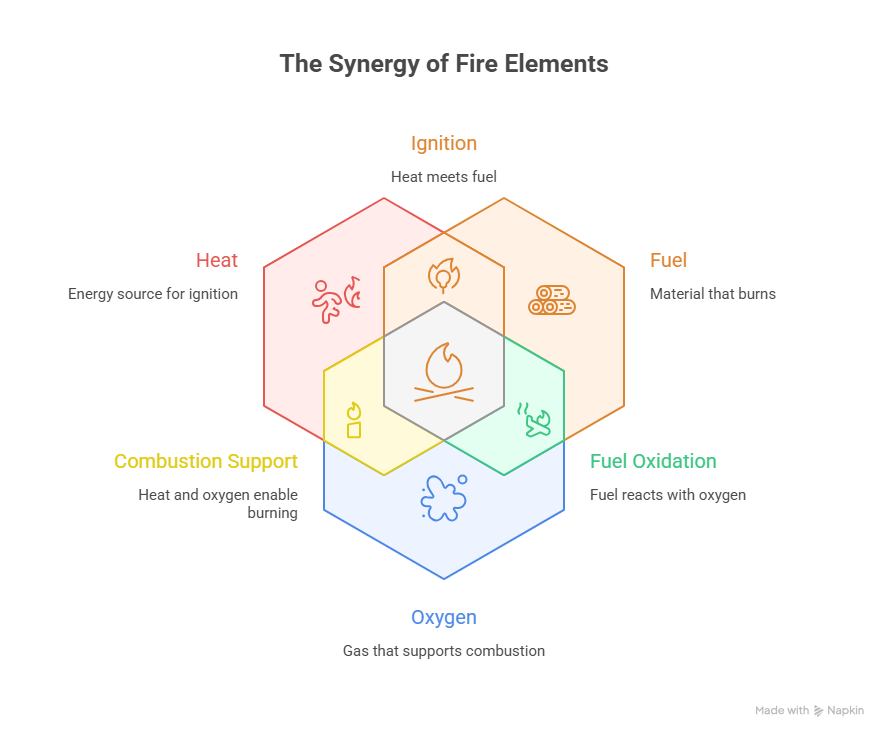
The cooling process is highly effective for solid combustibles. When water penetrates materials like wood or cardboard, it lowers internal temperatures, preventing re-ignition. This characteristic makes water-based systems reliable for industrial fire prevention in storage facilities handling packaging materials or textiles.
However, cooling is not universal. It is essential to understand where water extinguishers should not be used.
Fires That Water Extinguishers Cannot Handle
Electrical Fires and Conductivity Risks
Using water on live electrical equipment creates serious safety hazards. Water conducts electricity, increasing the risk of electrocution. In offices with active servers, electrical panels, or machinery, using a water fire extinguisher on energized equipment can escalate danger rather than reduce it.
Safety advisories from regional suppliers and industry experts consistently warn against this misuse. As outlined in international extinguisher safety resources, including guidance from UL Solutions, selecting the correct extinguisher type is fundamental to risk mitigation.
This highlights the importance of conducting a proper fire risk assessment before selecting extinguishers for any building.
The Role of Fire Risk Assessment in Extinguisher Selection
A fire risk assessment evaluates potential ignition sources, combustible materials, occupancy load, and emergency response capabilities within a facility. In Saudi Arabia, this assessment forms part of compliance documentation required under civil defense regulations.
For example, an office primarily handling paperwork and non-flammable materials may require multiple water fire extinguishers strategically placed along evacuation routes. In contrast, facilities storing flammable liquids would require foam or dry chemical systems instead.
At DARS, extinguisher recommendations are never made in isolation. They are integrated into comprehensive fire safety equipment planning that aligns with commercial fire safety systems design.
This structured selection process strengthens workplace fire compliance and reduces liability during inspections.
Proper Placement of Water Fire Extinguishers
Correct placement determines whether an extinguisher can be accessed quickly during a fire incident. According to international guidelines such as NFPA 10, portable extinguishers must be visible, unobstructed, and mounted at an appropriate height.
In Saudi Arabia, Civil Defense inspections often verify:
- Installation near exits or along evacuation routes
- Mounting at approximately 1.5 meters from the ground
- Clear signage and accessibility
Improper placement can result in non-compliance penalties or delayed emergency fire response.
DARS integrates extinguisher placement within broader building fire safety standards to ensure both safety and regulatory alignment.
How to Use a Water Fire Extinguisher Safely
Even the most compliant installation fails if users do not know how to operate the extinguisher. The PASS method remains the globally recognized procedure:
- Pull the pin
- Aim at the base of the fire
- Squeeze the handle
- Sweep side to side
This method is consistently reinforced in fire safety awareness campaigns and social media communications by authorities worldwide.
The key principle is aiming at the base of the flames, not at the smoke. By targeting the fuel source directly, the cooling effect becomes immediate and effective.
Training employees in this method is a critical component of workplace fire compliance and ensures rapid containment of minor Class A fires.
Climate Considerations in Saudi Arabia
Saudi Arabia’s high temperatures introduce unique maintenance considerations. Water-based extinguishers must be protected from extreme heat exposure that could affect internal pressure or degrade seals over time.
Routine inspections are therefore not optional. They are mandatory under civil defense regulations and critical for ensuring that equipment functions properly when needed.
Maintenance Requirements for Water Fire Extinguishers
Why Regular Maintenance Is Non-Negotiable
A water fire extinguisher operates under pressure. Over time, internal components may degrade, seals may weaken, and external corrosion can compromise structural integrity. In Saudi Arabia’s hot climate, temperature fluctuations and humidity accelerate wear if equipment is not inspected regularly.
According to NFPA 10 standards, portable extinguishers require routine visual inspections and scheduled professional servicing. These standards are reflected in local enforcement practices under Saudi Civil Defense requirements.
Routine maintenance ensures three critical outcomes. First, the extinguisher remains pressurized and operational. Second, labeling and instructions remain visible and compliant. Third, corrosion or mechanical damage is identified before failure occurs.
Inspection Frequency in Saudi Arabia
In the Kingdom, inspection protocols typically follow a structured timeline aligned with international building fire safety standards. Monthly visual checks are recommended, while professional servicing is conducted every six to twelve months depending on occupancy type and risk level.
Monthly checks usually involve verifying pressure gauge readings, confirming accessibility, and ensuring that no visible rust or leakage is present. Professional servicing goes further, assessing internal pressure stability, weight accuracy, discharge hose integrity, and mechanical functionality.
By following this structured schedule, organizations strengthen workplace fire compliance and reduce inspection-related violations.
Common Maintenance Issues in Saudi Climate Conditions
High ambient temperatures and exposure to sunlight can affect the integrity of water extinguishers, particularly in outdoor or semi-outdoor installations. Prolonged heat exposure may weaken seals, reduce internal pressure stability, or accelerate corrosion in metal cylinders.
Additionally, facilities located in coastal regions must consider salt exposure, which can intensify rust formation. Corrosion around the valve assembly or base ring often indicates the need for servicing or replacement.
Evidence from industry forums and compliance discussions within the Kingdom consistently highlights that neglected extinguishers are one of the most frequent inspection failures. This reinforces the importance of integrating extinguisher maintenance into broader industrial fire prevention planning rather than treating it as an isolated task.
Regulatory Framework in Saudi Arabia
Civil Defense Requirements
Saudi Arabia enforces fire protection compliance through the Saudi Civil Defense authority. Buildings must adhere to approved fire safety equipment standards, proper installation guidelines, and ongoing inspection documentation.
Civil Defense inspections typically verify that:
- The extinguisher type matches the identified hazard class
- Units are certified and properly labeled
- Maintenance records are documented and up to date
Failure to comply may result in fines, operational delays, or license suspension in commercial facilities. This is particularly relevant in sectors experiencing rapid growth, such as hospitality, education, and commercial real estate.
Guidance on regulatory frameworks can also be referenced through international compliance summaries such as those outlined by FIFCO’s overview of fire safety regulations, which align closely with NFPA standards.
Integration Within Commercial Fire Safety Systems
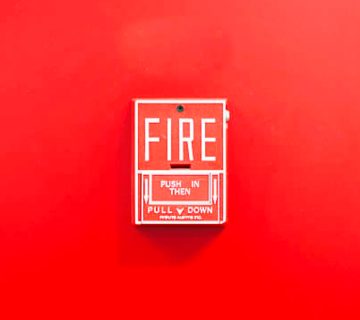
A water fire extinguisher rarely operates alone. In modern facilities, it forms part of an integrated network of commercial fire safety systems. These systems may include fire alarm panels, smoke detection units, sprinkler systems, and emergency evacuation protocols.
The strategic role of a water extinguisher is immediate containment. While automatic systems activate upon detection, portable extinguishers allow trained personnel to intervene before the fire spreads.
This layered approach enhances emergency fire response capabilities and reduces property damage. At DARS, extinguisher installation is planned within a wider safety architecture to ensure seamless coordination between manual and automatic fire suppression solutions.
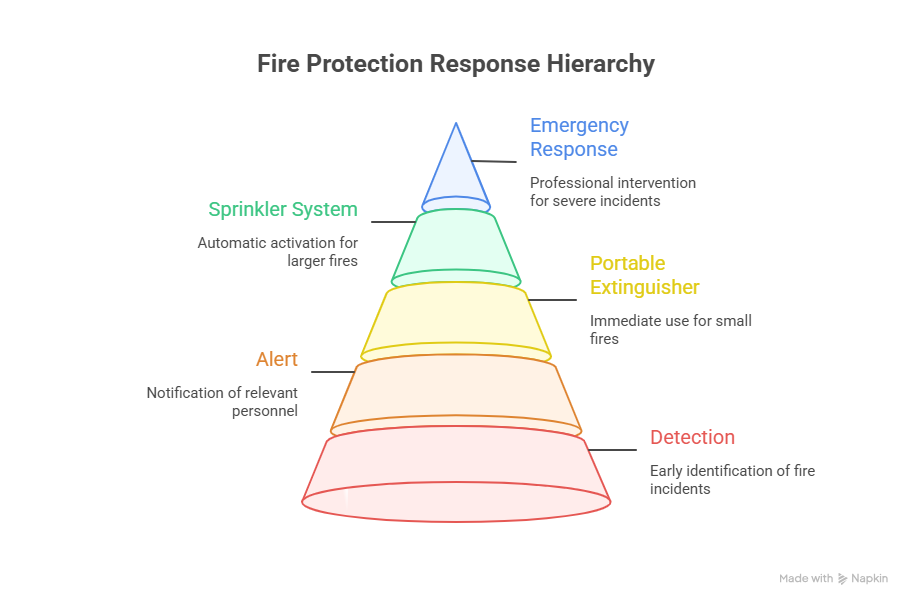
By viewing extinguishers as part of a comprehensive strategy rather than standalone tools, organizations strengthen resilience against small-scale incidents.
Cost Considerations and Accessibility in the Kingdom
Affordability is one reason water fire extinguishers remain widespread across Saudi Arabia. Entry-level units are generally accessible at modest prices, making them practical for homes, small businesses, and vehicles.
However, cost should never override compliance. Certified, approved extinguishers from licensed suppliers ensure alignment with civil defense regulations. Choosing uncertified equipment may reduce upfront expenses but increases risk during inspections or emergencies.
Refilling and servicing costs are relatively low compared to the financial impact of property damage or regulatory penalties. From a risk management perspective, maintenance investment remains significantly more economical than incident recovery.
When Water Is Not Enough: Recognizing System Limitations
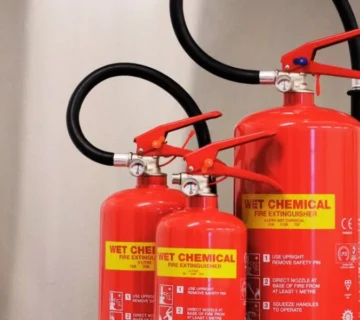
While water extinguishers are effective for Class A fire protection, facilities with mixed-risk environments require additional fire suppression solutions. For example, commercial kitchens require wet chemical systems, while server rooms demand CO₂ extinguishers to prevent electrical hazards.
Hospitality expansion in Saudi Arabia has intensified this requirement. With increasing hotel construction and mixed-use developments, fire safety planning must consider multi-hazard environments.
Selecting the correct combination of extinguishers is not a matter of preference; it is determined through structured fire risk assessment processes. International resources such as OSHA’s fire safety guidelines reinforce the necessity of matching extinguisher types to specific hazards.
This understanding sets the stage for the final section of this guide.
Preparing for Inspections and Long-Term Compliance
Businesses operating in Saudi Arabia must anticipate periodic inspections from Civil Defense authorities. Documentation plays a vital role in demonstrating workplace fire compliance. Maintenance logs, servicing certificates, and installation plans must be readily available during inspections.
Proactive compliance not only prevents penalties but strengthens corporate credibility. Clients, partners, and regulatory bodies increasingly expect organizations to demonstrate structured industrial fire prevention measures.
Choosing the Right Supplier for Water Fire Extinguishers
Selecting a certified provider is one of the most important decisions a facility manager can make. In Saudi Arabia, extinguishers must meet approved standards and carry appropriate labeling to pass inspection. Working with experienced fire protection contractors ensures alignment with building fire safety standards and prevents compliance setbacks.
A qualified supplier does more than deliver equipment. They assess risk exposure, determine the correct extinguisher rating, recommend placement strategy, and document installation according to Saudi Civil Defense expectations. Without this structured approach, businesses may unknowingly install insufficient or misclassified fire safety equipment.
DARS’s experience across residential, commercial, and industrial sectors has consistently shown that compliance challenges often originate from improper initial selection rather than maintenance failure. This reinforces the importance of expert consultation at the earliest planning stage.
Installation Best Practices in Saudi Facilities
Correct installation determines whether a water fire extinguisher is accessible and effective during an emergency fire response. Placement must be visible, unobstructed, and strategically located along evacuation routes. Improper positioning can delay response time by seconds that matter significantly during the early stages of a fire.
International guidance, including recommendations from the NFPA 10 standard, emphasizes mounting height, signage clarity, and maximum travel distance to reach extinguishers. Saudi Civil Defense inspections reflect these same principles in enforcement practices.
Facilities that integrate extinguisher planning into architectural design stages typically achieve stronger workplace fire compliance than those retrofitting installations after occupancy.
Staff Training and Operational Readiness
Even properly maintained extinguishers cannot compensate for untrained personnel. In many facilities, staff hesitate during fire incidents due to uncertainty about extinguisher type or usage technique. This hesitation can allow a small Class A fire to escalate.
Structured training programs should reinforce identification of fire types and safe operation of water extinguishers. Emphasis must be placed on recognizing when water is appropriate and when alternative fire suppression solutions are required.
The PASS method, discussed earlier, should be practiced in controlled training sessions. Regular refresher workshops ensure retention and confidence during emergency fire response situations.
When training is embedded within broader industrial fire prevention strategies, organizations reduce panic and strengthen coordinated response.
Aligning with Evolving Civil Defense Regulations
Saudi Arabia continues to modernize its regulatory framework as urban expansion accelerates. Mega-projects, mixed-use developments, and large commercial complexes require increasingly sophisticated fire protection planning.
While the water fire extinguisher remains essential for Class A fire protection, compliance now often requires integration with advanced commercial fire safety systems, including automated detection, monitoring platforms, and centralized alarm networks.
Staying informed about regulatory updates is therefore critical. Official communications from the Saudi Civil Defense and internationally recognized frameworks such as the International Fire Code (IFC) provide reference points for evolving standards.
Proactive compliance demonstrates organizational responsibility and strengthens operational continuity. Facilities that anticipate regulatory adjustments experience fewer disruptions during inspections or expansion approvals.
Comparing Water Extinguishers with Alternative Options
Understanding the positioning of a water fire extinguisher within the broader ecosystem of fire safety equipment allows for smarter procurement decisions. While water remains ideal for ordinary combustibles, foam extinguishers address flammable liquids, CO₂ handles electrical hazards, and wet chemical systems protect commercial kitchens.
Facilities with diversified risk profiles must deploy multiple extinguisher types to meet building fire safety standards comprehensively. A single extinguisher category cannot address every hazard scenario.
Long-Term Strategy: From Compliance to Risk Culture
True fire safety maturity extends beyond equipment installation. It requires building a culture of accountability where risk awareness is integrated into daily operations. Leadership commitment, documented inspections, staff training, and strategic procurement collectively form the backbone of sustainable industrial fire prevention.
Organizations that treat fire safety as a compliance checklist often struggle during audits. In contrast, those that integrate extinguishers into holistic fire suppression solutions demonstrate resilience and preparedness.
For businesses seeking deeper insights into integrated planning, DARS’s service overview outlines how extinguisher systems align with broader safety engineering strategies across various sectors.
Key Takeaways for Decision-Makers
The effectiveness of a water fire extinguisher depends on four interconnected pillars:
- Correct hazard classification and extinguisher selection
- Proper installation aligned with civil defense regulations
- Scheduled maintenance and documented servicing
- Continuous staff training and emergency preparedness
These elements transform a basic device into a reliable life-safety asset.
Conclusion: Why Water Fire Extinguishers Remain Essential
Despite advancements in automated suppression technologies, the water fire extinguisher continues to play a foundational role in Saudi Arabia’s fire protection landscape. Its simplicity, affordability, and effectiveness for Class A fire protection make it indispensable in schools, offices, residential properties, and storage facilities.
However, its reliability depends on structured maintenance, regulatory alignment, and integration within comprehensive commercial fire safety systems. Organizations that prioritize compliance, professional installation, and ongoing training reduce operational risk and protect both lives and property.
From initial fire risk assessment to long-term industrial fire prevention planning, water extinguishers remain a vital component of a layered emergency fire response strategy. When managed correctly, they prevent minor incidents from becoming catastrophic losses.
In the evolving safety landscape of Saudi Arabia, proactive planning is not optional. It is the standard that defines responsible operations.