
Introduction: Why Fire Safety Is No Longer Optional
In today’s rapidly evolving urban landscape, fire safety is no longer a secondary consideration. It has become a fundamental requirement for businesses, developers, and property owners across Saudi Arabia. With the country witnessing unprecedented growth driven by Vision 2030, the demand for reliable fire safety solutions is at an all-time high. Every new commercial tower, industrial facility, or residential compound must meet strict regulatory standards designed to protect lives and assets.
A professional fire safety company plays a central role in this ecosystem. These companies are not just service providers; they are strategic partners that ensure compliance, reduce risk, and support long-term operational safety. From initial design to ongoing maintenance, their involvement spans the entire lifecycle of a building’s safety infrastructure.
This article explores what defines a reliable fire safety company, the services they provide, and why their role is critical in Saudi Arabia’s modern construction landscape.
Understanding the Role of a Fire Safety Company
What Does a Fire Safety Company Actually Do?
A fire safety company offers a comprehensive range of services that go far beyond installing alarms or extinguishers. Their role begins with identifying potential risks and extends to implementing advanced systems that prevent, detect, and respond to fire incidents effectively.
At its core, a fire safety company delivers fire protection services tailored to the specific needs of each facility. These services are designed to align with national and international standards such as the Saudi Building Code (SBC) and guidelines from the National Fire Protection Association.
The importance of this role becomes clear when considering the consequences of inadequate fire safety. Without proper systems in place, businesses risk not only financial loss but also legal penalties and reputational damage.
The End-to-End Safety Lifecycle
A professional fire safety company operates across a structured lifecycle that ensures no aspect of safety is overlooked. This lifecycle typically includes:
- Initial fire risk assessment
- System design and engineering
- Installation of fire prevention systems
- Testing and commissioning
- Ongoing maintenance and compliance audits
Each stage builds upon the previous one, creating a layered approach to safety that minimizes vulnerabilities. This structured methodology is what differentiates certified providers from basic contractors.
The Growing Importance of Fire Safety in Saudi Arabia
A Market Driven by Vision 2030
Saudi Arabia’s ambitious Vision 2030 initiative has led to a surge in mega-projects across cities like Riyadh, Jeddah, and Dammam. From smart cities to large-scale industrial zones, these developments require advanced safety infrastructure to meet both regulatory and operational demands.
As a result, the role of a fire safety company has expanded significantly. Companies are now expected to deliver integrated systems that align with modern building management technologies. This includes everything from intelligent fire alarm systems to automated suppression mechanisms.
According to insights from the Saudi Building Code National Committee, compliance is mandatory for all new developments, making fire safety a non-negotiable requirement.
Regulatory Pressure and Compliance Requirements
Fire safety in Saudi Arabia is heavily regulated by Civil Defense authorities. Businesses must obtain approvals before occupancy, and failure to comply can lead to delays, fines, or even shutdowns.
A qualified fire safety company ensures full fire safety compliance by:
- Designing systems that meet SBC and NFPA standards
- Conducting inspections and certifications
- Providing documentation required for approvals
This compliance is not a one-time process. It requires continuous monitoring and regular updates to ensure systems remain effective as buildings evolve.
Core Services Offered by Fire Safety Companies
Fire Risk Assessment: The Foundation of Safety
Every effective fire safety strategy begins with a detailed fire risk assessment. This process involves identifying potential hazards, evaluating vulnerabilities, and determining the likelihood of fire incidents.
A professional assessment considers multiple factors, including building layout, occupancy type, and operational activities. For example, an industrial facility will have vastly different risks compared to a commercial office.
The findings of this assessment form the basis for all subsequent safety measures, ensuring that solutions are both targeted and efficient.
Fire Prevention Systems: Stopping Fires Before They Start
Prevention is always more effective than response. That’s why fire prevention systems are a critical component of any safety plan. These systems are designed to minimize the chances of a fire occurring in the first place.
This includes proper electrical design, safe storage of flammable materials, and the integration of early detection technologies. By addressing risks proactively, businesses can significantly reduce the likelihood of incidents.
For a deeper understanding of preventive strategies, resources from Occupational Safety and Health Administration provide valuable insights into workplace safety practices.
Fire Alarm Systems: Early Detection Saves Lives
When prevention fails, early detection becomes the next line of defense. Modern fire alarm systems are designed to detect smoke, heat, or flames at the earliest possible stage.
These systems are often integrated with building management systems (BMS), enabling automated responses such as activating alarms, notifying authorities, and initiating evacuation protocols.
The effectiveness of these systems lies in their ability to provide real-time alerts, giving occupants crucial time to respond safely.
Fire Suppression Systems: Controlling the Damage
Once a fire is detected, immediate action is required to control its spread. Fire suppression systems are engineered to extinguish or contain fires quickly, minimizing damage and protecting lives.
These systems vary depending on the environment and may include:
- Water-based sprinklers
- Clean agent systems like FM200
- Foam-based solutions for industrial settings
Each system is selected based on the specific risks identified during the assessment phase, ensuring optimal performance.
Commercial vs Industrial Fire Safety
Understanding the Difference
Fire safety requirements differ significantly between commercial and industrial environments. A reliable fire safety company must understand these differences to deliver effective solutions.
In commercial spaces, the focus is often on occupant safety and evacuation efficiency. This includes offices, malls, and hospitality venues where large numbers of people are present.
In contrast, industrial fire protection prioritizes safeguarding machinery, hazardous materials, and complex operations. These environments require specialized systems capable of handling high-risk scenarios.
Tailored Solutions for Every Sector
The ability to customize solutions is what sets leading fire safety companies apart. Whether it’s a high-rise building or a manufacturing plant, each project requires a unique approach.
For example, data centers demand clean agent systems to protect sensitive equipment, while warehouses may rely on advanced sprinkler networks. This level of customization ensures that safety measures are both effective and efficient.
The Value of Certified Expertise
Why Certification Matters
Not all providers offer the same level of expertise. Working with certified fire safety experts ensures that systems are designed and implemented according to recognized standards.
Certifications such as UL and SASO indicate that products and services meet strict quality and safety benchmarks. Additionally, Civil Defense approval is essential for operating legally in Saudi Arabia.
Organizations like Underwriters Laboratories play a key role in setting these standards, ensuring reliability across the industry.
Experience as a Competitive Advantage
Beyond certifications, experience plays a crucial role in delivering successful outcomes. Companies with a proven track record are better equipped to handle complex projects and unforeseen challenges.
This is particularly important in large-scale developments where multiple systems must work seamlessly together. An experienced fire safety company brings not only technical expertise but also strategic insight.
Connecting Fire Safety to Long-Term Business Value
Fire safety is often viewed as a compliance requirement, but its impact goes far beyond that. Investing in professional fire safety solutions enhances operational continuity, reduces insurance costs, and builds trust with stakeholders.
Businesses that prioritize safety are better positioned to handle emergencies, maintain productivity, and protect their reputation. In this sense, a fire safety company becomes a long-term partner in risk management.
How to Choose the Right Fire Safety Company in Saudi Arabia
Key Criteria for Selecting a Reliable Fire Safety Company
Choosing the right fire safety company is not simply a procurement decision. It is a strategic move that directly impacts safety, compliance, and long-term operational efficiency. With the growing number of providers in Saudi Arabia, businesses must go beyond surface-level comparisons and evaluate companies based on measurable capabilities.
The most reliable companies demonstrate a balance between technical expertise, regulatory understanding, and service continuity. This combination ensures that safety systems are not only installed correctly but remain effective over time.
Civil Defense Approval and Regulatory Alignment
One of the first indicators of a trustworthy provider is Civil Defense approval. In Saudi Arabia, this approval is mandatory for any company offering fire protection services. Without it, systems may fail inspections, delaying project approvals and occupancy.
A qualified provider ensures alignment with the Saudi Building Code and international frameworks such as NFPA standards. This alignment guarantees that all systems meet the required safety benchmarks.
More importantly, compliance is not treated as a one-time milestone. A reliable fire safety company integrates compliance into every stage of the project, from design to maintenance.
Certifications and Technical Standards
Beyond local approvals, certifications play a critical role in validating a company’s capabilities. Providers that use certified components and follow globally recognized standards offer a higher level of reliability.
Certifications from organizations like SASO and UL indicate that systems have been tested for performance and safety. This is especially important in complex environments where system failure can have severe consequences.
The presence of these certifications also reflects a company’s commitment to quality and continuous improvement.
Experience and Industry Track Record
Experience is often the difference between a standard installation and a fully optimized safety system. Companies with years of operation have encountered a wide range of scenarios, allowing them to anticipate challenges and deliver effective solutions.
In Saudi Arabia, some firms have been operating for decades, contributing to major infrastructure projects. This experience translates into a deeper understanding of local regulations, environmental conditions, and industry-specific risks.
A proven track record also provides confidence that the company can handle both small-scale and large-scale projects with equal efficiency.
Evaluating Service Scope and Capabilities
End-to-End Fire Protection Services
A reliable fire safety company should offer complete fire protection services, covering every stage of the safety lifecycle. This ensures consistency in design, installation, and maintenance.
Companies that provide fragmented services often create gaps in responsibility, leading to inefficiencies and increased risk. In contrast, full-service providers maintain accountability throughout the project.
This holistic approach simplifies project management and ensures that all systems are integrated seamlessly.
Response Time and Support Infrastructure
Fire safety is not limited to installation. Ongoing support is equally important, particularly in emergency situations. A company’s response time can significantly impact the effectiveness of its services.
Reliable providers offer structured support systems, including 24/7 monitoring and rapid response teams. These capabilities ensure that issues are addressed promptly, minimizing downtime and risk.
For businesses operating in high-risk environments, this level of support is essential for maintaining operational continuity.
Nationwide Coverage and Accessibility
In a country as vast as Saudi Arabia, geographic coverage is another critical factor. Companies with a strong presence across major cities like Riyadh, Jeddah, and Dammam are better equipped to provide consistent service.
This accessibility becomes particularly important for organizations with multiple locations. A provider with nationwide reach can deliver standardized solutions across all sites, ensuring uniform safety levels.
It also simplifies communication and coordination, reducing the complexity of managing multiple vendors.
Understanding the Cost of Fire Safety Services
Initial Investment vs Long-Term Value
The cost of hiring a fire safety company can vary significantly depending on the scale and complexity of the project. Initial installation costs for fire protection systems in Saudi Arabia can range from SAR 50,000 to over SAR 500,000.
While these figures may seem substantial, it is important to view them as long-term investments rather than expenses. Properly designed systems reduce the likelihood of costly incidents and ensure compliance with regulatory requirements.
In many cases, the cost of non-compliance or system failure far exceeds the initial investment.
Factors That Influence Pricing
Several factors determine the overall cost of fire safety solutions. These include the type of systems installed, the size of the facility, and the level of customization required.
For example, advanced fire suppression systems such as clean agent solutions tend to be more expensive than traditional water-based systems. Similarly, facilities with complex layouts require more sophisticated designs.
Additional services like 24/7 monitoring and maintenance contracts also contribute to the overall cost but provide significant value in terms of reliability and peace of mind.
Maintenance Contracts: Ensuring Continuous Protection
Why Maintenance Is Non-Negotiable
Fire safety systems are only effective if they are properly maintained. Over time, components can degrade, sensors may fail, and systems may become outdated. Without regular maintenance, even the most advanced systems can become ineffective.
This is why maintenance contracts are a critical component of any fire safety strategy. In Saudi Arabia, regular inspections are often required by Civil Defense to maintain compliance.
Organizations like IFC Certification emphasize the importance of routine testing and system validation to ensure ongoing safety.
What Maintenance Contracts Typically Include
A comprehensive maintenance plan covers a wide range of services designed to keep systems operational at all times. These plans often include periodic inspections, system testing, and immediate fault resolution.
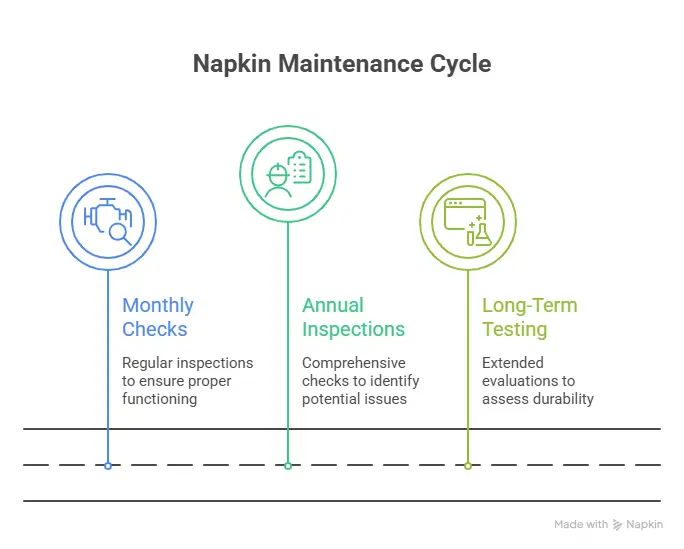
In addition, many contracts include training sessions for staff, ensuring that employees are prepared to respond effectively in case of emergencies.
Comparing Top Fire Safety Companies in Saudi Arabia
Market Leaders and Their Strengths
The Saudi fire safety market includes several established players, each offering unique strengths. Companies like NAFISCO, AlSafi, and Arab Fire Safety have built strong reputations through years of experience and comprehensive service offerings.
Some firms specialize in specific sectors, such as data centers or industrial facilities, while others provide broad solutions across multiple industries. This diversity allows businesses to choose providers that align with their specific needs.
For example, multinational companies like Johnson Controls are known for integrating advanced technologies into their fire safety systems, setting new standards in the industry.
Regional Strengths and Coverage
Different regions in Saudi Arabia have their own key players. In Dammam, companies like Firefreeze and REDA are well-established, while Jeddah hosts providers such as Al-Sufyani and SAS.
Nationwide providers, on the other hand, offer the advantage of consistent service across multiple locations. This is particularly beneficial for large organizations with operations in different cities.
Understanding these regional dynamics helps businesses make more informed decisions when selecting a fire safety company.
Common Challenges in Fire Safety Implementation
Supply Chain and Resource Constraints
Despite the advancements in the industry, fire safety projects often face challenges related to supply chains and resource availability. Delays in importing specialized equipment can impact project timelines.
Additionally, the shortage of skilled technicians can affect the quality of installation and maintenance. These challenges highlight the importance of working with experienced providers who have established supply networks.
Such companies are better equipped to manage delays and ensure that projects are completed on schedule.
Integration with Modern Technologies
As buildings become smarter, fire safety systems must integrate seamlessly with other technologies. This includes building management systems, IoT devices, and AI-driven monitoring tools.
However, achieving this level of integration can be complex. It requires advanced technical expertise and a deep understanding of both safety systems and digital infrastructure.
Leading fire safety companies address this challenge by offering fully integrated solutions that enhance both safety and efficiency.
The Future of Fire Safety in Saudi Arabia: Trends, Technology, and Strategic Advantage
Emerging Trends Shaping the Fire Safety Industry
As Saudi Arabia continues to expand its infrastructure and urban development, the expectations from every fire safety company are evolving rapidly. Traditional systems are no longer sufficient to meet the demands of modern buildings. Instead, there is a clear shift toward intelligent, data-driven safety solutions that offer greater control, faster response times, and predictive capabilities.
This transformation is largely driven by the integration of digital technologies into safety systems. Fire safety is no longer a standalone function; it is becoming part of a larger ecosystem that includes building management systems, IoT devices, and centralized monitoring platforms. This shift allows businesses to move from reactive responses to proactive risk management.
Smart Fire Safety Systems and IoT Integration
One of the most significant advancements in the industry is the adoption of smart technologies. Modern fire alarm systems are now connected to IoT networks, enabling real-time monitoring and instant alerts. These systems can detect anomalies, trigger automated responses, and notify emergency services without human intervention.
This level of automation significantly reduces response times and enhances overall safety. It also allows facility managers to monitor multiple locations from a single dashboard, improving operational efficiency.
The integration of IoT also supports predictive maintenance, where potential issues are identified before they lead to system failure. This ensures continuous reliability and reduces unexpected downtime.
AI and Predictive Fire Risk Management
Artificial intelligence is beginning to play a crucial role in fire safety. By analyzing historical data and real-time inputs, AI systems can predict potential fire risks and recommend preventive actions.
For example, AI can identify patterns such as overheating equipment or unusual energy consumption, allowing businesses to address issues before they escalate. This proactive approach transforms the traditional concept of fire risk assessment into a continuous, dynamic process.
Organizations like IBM are leading advancements in AI-driven analytics, which are increasingly being applied to safety systems across industries.
Sustainable and Environmentally Friendly Suppression Systems
Sustainability is another key trend influencing the fire safety industry. Traditional suppression systems often rely on chemicals that can harm the environment. In response, companies are adopting eco-friendly alternatives that provide effective protection without environmental impact.
Modern fire suppression systems now include clean agents that leave no residue and are safe for both people and equipment. These systems are particularly valuable in sensitive environments such as data centers and healthcare facilities.
This shift toward sustainability aligns with global environmental goals and supports Saudi Arabia’s broader vision for sustainable development.
The Role of Fire Safety in Business Continuity
Beyond Compliance: A Strategic Investment
While compliance remains a primary driver, fire safety is increasingly being recognized as a strategic investment. Businesses that partner with a professional fire safety company gain more than just regulatory approval; they gain a framework for long-term resilience.
Effective fire safety solutions minimize operational disruptions, protect critical assets, and ensure continuity in the face of unexpected events. This is particularly important in industries where downtime can result in significant financial losses.
Enhancing Reputation and Stakeholder Confidence
Safety is closely tied to reputation. Companies that prioritize safety demonstrate responsibility and professionalism, which strengthens trust among clients, investors, and employees.
In competitive markets, this trust can become a differentiating factor. Organizations that invest in advanced safety systems are often perceived as more reliable and forward-thinking.
For businesses looking to align safety with broader operational goals, exploring integrated solutions through providers like DARS’s services can offer a comprehensive approach to protection and compliance.
Integrating Fire Safety with Modern Infrastructure
The Rise of Smart Buildings
Modern buildings are designed to be interconnected, with various systems working together to optimize performance. Fire safety is a critical component of this ecosystem.
By integrating fire safety systems with building management platforms, organizations can achieve centralized control and improved coordination. This integration ensures that all systems respond cohesively during emergencies.
For example, a fire detection system can automatically trigger ventilation controls, unlock emergency exits, and activate communication systems, creating a coordinated response that enhances safety.
Data-Driven Decision Making
The availability of real-time data has transformed how businesses manage safety. Advanced systems provide detailed insights into system performance, risk levels, and maintenance needs.
This data enables informed decision-making, allowing organizations to allocate resources more effectively and prioritize critical areas. It also supports continuous improvement, ensuring that safety measures evolve alongside operational needs.
Common Mistakes Businesses Should Avoid
Despite the availability of advanced solutions, many organizations still make critical mistakes when managing fire safety. These mistakes often stem from a lack of understanding or an attempt to reduce costs.
One common issue is treating fire safety as a one-time project rather than an ongoing process. Without regular maintenance and updates, systems can quickly become outdated and ineffective.
Another mistake is choosing providers based solely on price. While cost is an important factor, it should never come at the expense of quality and reliability.
Finally, some businesses fail to invest in employee training, leaving staff unprepared to respond in emergency situations. A comprehensive approach to safety must include both technology and human readiness.
Building a Long-Term Partnership with a Fire Safety Company
Collaboration as a Key Success Factor
The relationship between a business and its fire safety company should be viewed as a long-term partnership rather than a transactional arrangement. This partnership ensures continuous improvement and adaptation to changing needs.
A reliable provider works closely with clients to understand their operations, identify risks, and develop tailored solutions. This collaborative approach leads to more effective outcomes and stronger safety frameworks.
Continuous Improvement and Innovation
Fire safety is not a static field. As technologies evolve and regulations change, systems must be updated to remain effective. Companies that embrace innovation are better positioned to stay ahead of these changes.
By working with forward-thinking providers, businesses can leverage the latest advancements in safety technology, ensuring that their systems remain both compliant and efficient.
For additional insights into evolving safety standards, resources from the International Code Council provide valuable guidance on global building safety practices.
Conclusion: Making the Right Choice for Long-Term Safety
The role of a fire safety company extends far beyond installation and compliance. It encompasses risk management, operational continuity, and strategic growth. In Saudi Arabia’s rapidly developing landscape, the importance of choosing the right partner cannot be overstated.
From advanced technologies to regulatory expertise, the right provider ensures that businesses are not only protected but also prepared for the future. By investing in comprehensive fire safety solutions, organizations can safeguard their assets, protect lives, and maintain confidence in an increasingly complex environment.
Ultimately, fire safety is not just about meeting requirements; it is about building resilience. And in a world where risks are constantly evolving, that resilience becomes a critical asset for long-term success.