
Introduction to Electrical Fire Risks in Modern Workplaces
Electrical systems are the backbone of modern infrastructure, powering everything from office operations to industrial production lines. However, with this reliance comes a critical risk that many businesses underestimate: electrical fires. These incidents often occur without warning and can escalate rapidly due to the presence of energized equipment, making them significantly more dangerous than standard fire scenarios.
From a safety perspective, traditional firefighting methods are not only ineffective but can be hazardous when dealing with live electrical currents. This is where the electrical fire extinguisher becomes an essential component of any robust fire protection strategy. Designed specifically to handle energized electrical fires, these extinguishers play a vital role in both fire risk prevention and emergency fire response.
In regions like Saudi Arabia, where rapid urban expansion and industrial growth continue to increase electrical load demands, compliance with safety regulations is not optional. Standards such as NFPA 10 fire extinguisher guidelines and the Saudi Building Code (SBC) mandate proper fire safety equipment, making electrical fire extinguishers a necessity rather than a choice.
What Is an Electrical Fire Extinguisher?
An electrical fire extinguisher is specifically engineered to combat fires involving energized electrical equipment without conducting electricity. Unlike water-based extinguishers, which pose a risk of electrocution, these extinguishers use non-conductive agents that safely suppress flames without endangering the user.
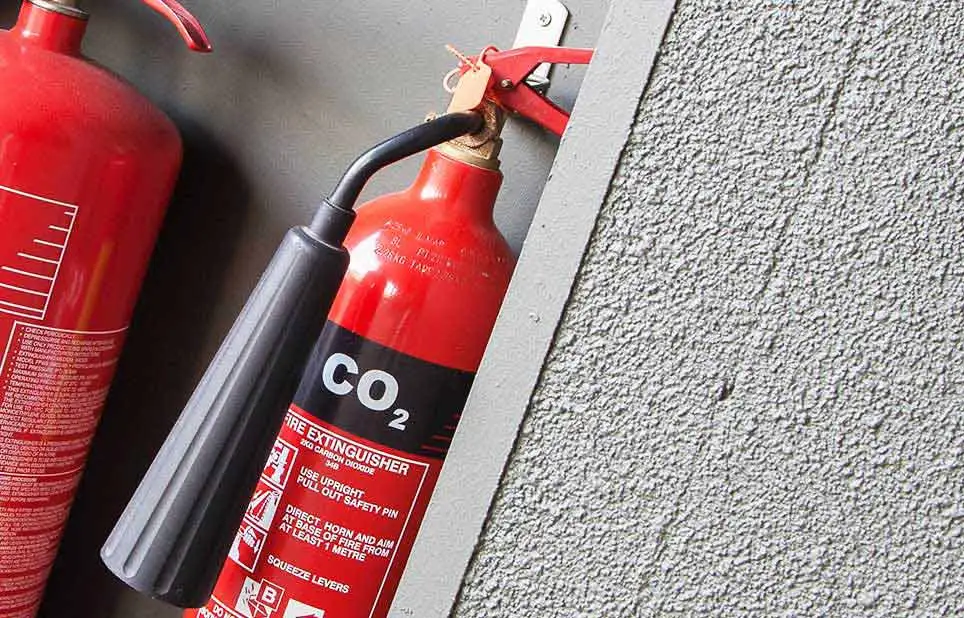
The most commonly used types include carbon dioxide (CO2) and dry chemical extinguishers. Both are classified under Class C fire extinguisher categories, meaning they are suitable for electrical fires.
Why It Matters
The importance of using the correct extinguisher lies in the nature of electrical fires. Water or foam can conduct electricity, turning a manageable situation into a life-threatening hazard. Electrical fire extinguishers eliminate this risk by using agents that interrupt the fire triangle without introducing conductivity.
Types of Electrical Fire Extinguishers
CO2 Fire Extinguishers
CO2 extinguishers work by displacing oxygen around the fire, effectively suffocating it. They are particularly effective in environments where sensitive equipment is present, such as data centers or server rooms.
One key advantage is that CO2 leaves no residue, making it ideal for areas where cleanup could damage electronics or disrupt operations. According to Occupational Safety and Health Administration (OSHA), clean extinguishing agents are preferred in environments with delicate machinery.
ABC Dry Powder Extinguishers
ABC extinguishers use a dry chemical powder that interrupts the chemical reaction of fire. While they are versatile and can handle multiple fire classes, they do leave a residue that requires cleanup after use.
This makes them more suitable as a backup option in environments where versatility is needed, such as workshops or industrial facilities.
CO2 vs. ABC: Which Is Better?
CO2 extinguishers are often the preferred choice for electrical fire safety due to their clean operation and effectiveness on energized equipment. ABC extinguishers, on the other hand, provide broader coverage but come with the trade-off of post-use cleanup.
The decision ultimately depends on the environment and the level of risk associated with electrical equipment.
Understanding Fire Classes and Safety Ratings
To fully understand the role of an electrical fire extinguisher, it is important to recognize fire classifications. Electrical fires fall under Class C (or Class E in some regions), which specifically involves energized electrical equipment.
International standards such as UL certification guidelines ensure that extinguishers meet safety and performance requirements. In Saudi Arabia, compliance with SASO standards further guarantees that equipment is suitable for local conditions.
Why Certification Matters
Certified extinguishers provide assurance that the equipment has been tested under real-world conditions. This is critical in high-risk environments where failure is not an option. Businesses that prioritize certified equipment are better positioned to meet fire safety compliance requirements and avoid regulatory penalties.
How to Use an Electrical Fire Extinguisher Safely
Proper usage is just as important as having the right equipment. Even the most advanced extinguisher can fail if used incorrectly.
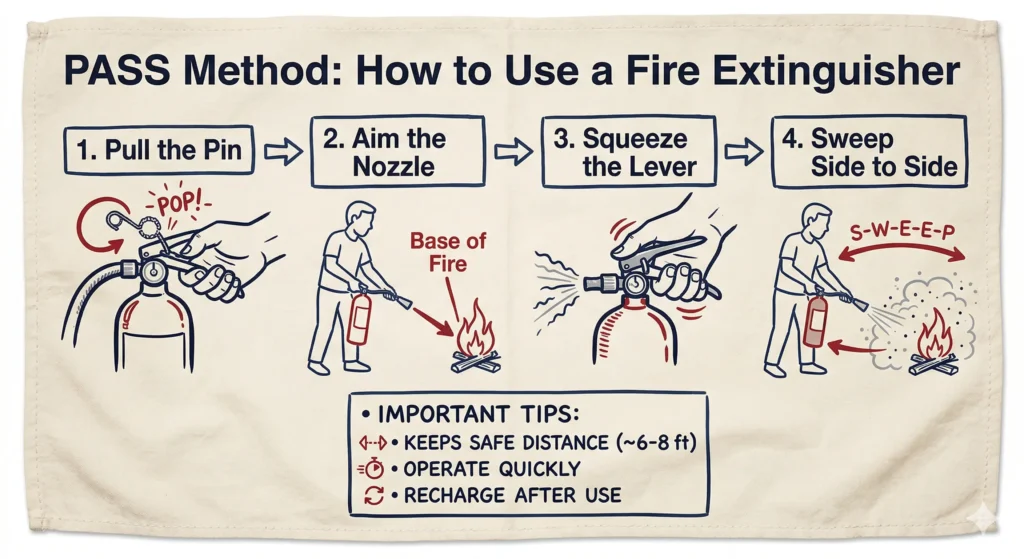
The widely recognized PASS method provides a simple and effective approach:
- Pull the pin
- Aim at the base of the fire
- Squeeze the handle
- Sweep side to side
Key Safety Considerations
Using an electrical fire extinguisher requires awareness of the surrounding environment. Users should maintain a safe distance, typically between 2 to 3 meters, and always approach from upwind to avoid inhaling gases or powder.
Whenever possible, de-energizing the equipment before extinguishing the fire significantly reduces risk. However, in many real-world scenarios, immediate action is required, making the availability of the correct extinguisher crucial.
Strategic Placement in Facilities
The effectiveness of an electrical fire extinguisher is directly linked to its accessibility. Poor placement can render even the best equipment useless in an emergency.
According to best practices outlined by International Fire Code (IFC), extinguishers should be placed within a maximum travel distance of 15 meters. They should also be mounted at a height between 1 and 1.5 meters for easy access.
Where They Should Be Installed
Electrical fire extinguishers are most effective when placed near high-risk areas such as electrical panels, server rooms, and production lines. These locations are typically where workplace fire hazards are most concentrated.
In Saudi facilities, additional requirements include proper signage and integration with broader fire protection systems, ensuring that extinguishers are part of a coordinated safety strategy rather than standalone tools.
The Role of Electrical Fire Safety in Business Continuity
Electrical fires do not just pose a safety risk; they can disrupt operations, damage assets, and lead to significant financial losses. For businesses, investing in electrical fire safety is as much about continuity as it is about compliance.
A well-planned fire safety strategy includes not only extinguishers but also detection systems, alarms, and training programs. These elements work together to create a comprehensive approach to industrial fire safety solutions.
Organizations that prioritize safety are better equipped to handle emergencies, protect their workforce, and maintain operational stability. This is particularly important in sectors where downtime can have cascading effects on supply chains and service delivery.
Saudi Regulations and Compliance for Electrical Fire Extinguishers
Ensuring compliance is not simply about meeting legal requirements; it reflects a company’s commitment to protecting lives and assets. In Saudi Arabia, fire safety regulations are governed by a combination of Civil Defense requirements, the Saudi Building Code (SBC), and internationally recognized standards such as NFPA 10. These frameworks collectively define how an electrical fire extinguisher should be selected, installed, and maintained across different types of facilities.
From a regulatory standpoint, every workplace handling electrical equipment must incorporate appropriate extinguishing solutions as part of its broader fire protection systems. Authorities require that extinguishers are not only present but also strategically placed, clearly labeled, and regularly inspected. Businesses that fail to comply risk operational shutdowns, fines, or even legal consequences, particularly in high-risk sectors such as manufacturing and data management.
To understand the full scope of compliance requirements, many organizations refer to Saudi Civil Defense guidelines, which outline inspection protocols, certification processes, and enforcement measures. These guidelines emphasize that safety is not a one-time installation but an ongoing responsibility that evolves with operational changes.
Inspection Frequency and Certification Requirements
Maintaining an electrical fire extinguisher involves more than visual checks. It requires a structured inspection schedule that ensures reliability under real emergency conditions. In Saudi Arabia, regulations mandate both routine inspections and professional servicing, each playing a distinct role in maintaining readiness.
Monthly inspections are typically conducted internally to verify that extinguishers are accessible, properly pressurized, and free from visible damage. These checks serve as the first line of defense against equipment failure. Annual inspections, on the other hand, must be carried out by certified professionals who can assess internal components, pressure levels, and overall performance.
Beyond annual servicing, extinguishers must undergo hydrostatic testing every five to six years to confirm their structural integrity. According to NFPA 10 inspection requirements, this testing is essential to ensure that cylinders can withstand operational pressure without risk of rupture.
By adhering to these schedules, organizations strengthen their fire safety compliance and reduce the likelihood of equipment failure during critical moments.
Maintenance Best Practices for Long-Term Reliability
Effective maintenance ensures that an electrical fire extinguisher performs exactly as expected when needed. Over time, factors such as environmental conditions, handling, and storage can affect the functionality of extinguishers, particularly in regions with high temperatures like Saudi Arabia.
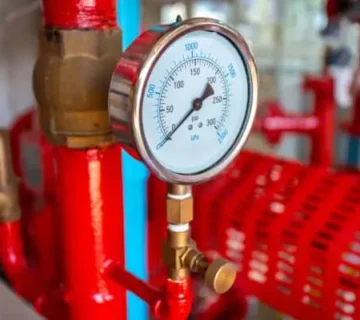
Regular maintenance begins with checking pressure gauges and seals to ensure there are no leaks or signs of wear. Corrosion is another critical factor, especially in industrial environments where exposure to chemicals or humidity can accelerate degradation. Identifying these issues early allows businesses to replace or service equipment before it becomes unreliable.
Professional servicing should include a complete internal inspection, refilling of extinguishing agents where necessary, and recalibration of pressure levels. Organizations that invest in consistent maintenance practices not only extend the lifespan of their extinguishers but also enhance overall electrical equipment safety.
Common Issues That Compromise Performance
Despite regular inspections, several common issues can affect the effectiveness of electrical fire extinguishers. One of the most frequent problems is a drop in pressure, which reduces the extinguisher’s ability to discharge its contents effectively. This can occur due to minor leaks or prolonged storage without proper monitoring.
Another issue is nozzle blockage, particularly in dry powder extinguishers. Over time, the powder can compact, making it difficult to discharge smoothly during an emergency. Environmental factors, such as extreme heat, can also accelerate the degradation of extinguishing agents, shortening their effective lifespan.
Understanding these challenges allows businesses to take proactive measures. Instead of reacting to failures, they can implement preventive strategies that align with fire risk prevention principles and ensure consistent performance across all fire safety equipment.
Cost Considerations and Supplier Selection in Saudi Arabia
When selecting an electrical fire extinguisher, cost is often a key consideration. However, focusing solely on price can lead to compromises in quality and compliance. In Saudi Arabia, the cost of extinguishers varies depending on type, capacity, and certification standards.
CO2 extinguishers, known for their clean and residue-free operation, typically cost more than ABC dry powder alternatives. However, their suitability for sensitive environments often justifies the investment. ABC extinguishers, while more affordable, may incur additional costs related to cleanup and equipment downtime after use.
Choosing a reliable supplier is equally important. Businesses are encouraged to source extinguishers that meet SASO and UL certification standards, ensuring they are compliant with local and international regulations.
Integrating Extinguishers with Broader Fire Safety Systems
An electrical fire extinguisher should never be viewed as a standalone solution. Instead, it must be integrated into a comprehensive network of fire suppression systems and detection technologies. This integrated approach enhances response times and ensures that multiple layers of protection are in place.
Modern facilities often combine extinguishers with automated fire detection systems, alarms, and suppression technologies. These systems work together to detect fires early, alert occupants, and initiate containment measures before the situation escalates.
This layered strategy is particularly valuable in high-risk environments such as data centers and industrial plants, where rapid response is critical to minimizing damage and downtime.
For businesses looking to build a complete safety framework, exploring professional services such as DARS’s fire safety solutions provides a structured approach to implementation and compliance.
The Importance of Training and Preparedness
Even with the best equipment and systems in place, the effectiveness of an electrical fire extinguisher ultimately depends on the people using it. Training is a critical component of any fire safety strategy, ensuring that employees understand how to respond quickly and effectively during an emergency.
Organizations should conduct regular training sessions that cover fire classifications, extinguisher usage, and evacuation procedures. These sessions not only build confidence but also reduce panic in real-life scenarios, enabling a more controlled and efficient response.
Preparedness extends beyond individual training. It involves creating a culture of safety where employees are aware of potential risks and take proactive steps to mitigate them. This cultural shift plays a significant role in reducing workplace fire hazards and improving overall safety outcomes.
Preventing Electrical Fires Before They Start
While extinguishers are essential for response, prevention remains the most effective strategy. Electrical fires are often caused by overloaded circuits, faulty wiring, or improper use of equipment. Addressing these root causes significantly reduces the likelihood of incidents.
Preventive measures include regular electrical inspections, proper load management, and the use of protective devices such as residual current devices (RCDs). These measures not only enhance safety but also improve operational efficiency by reducing unexpected disruptions.
Organizations that prioritize prevention create a safer working environment while minimizing reliance on emergency interventions. This proactive approach aligns with modern safety practices and reinforces the importance of integrating prevention into overall fire safety planning.
The Future of Electrical Fire Safety in Modern Facilities
As industries continue to adopt advanced technologies, the landscape of fire safety is evolving rapidly. Traditional methods are no longer sufficient to address the complexity of modern electrical systems. Businesses are now shifting toward intelligent solutions that combine monitoring, automation, and predictive analytics to enhance safety outcomes.
An electrical fire extinguisher remains a foundational element, but its role is expanding within a broader ecosystem of smart safety tools. Facilities are increasingly adopting connected devices that monitor equipment conditions in real time, detecting anomalies before they escalate into fire incidents. This shift from reactive response to proactive prevention marks a significant advancement in electrical fire safety.
Smart Fire Safety Systems and IoT Integration
The integration of Internet of Things (IoT) technology into fire safety systems has introduced a new level of control and visibility. Smart extinguishers, for example, can now send alerts when pressure levels drop or when maintenance is due. This eliminates reliance on manual checks and reduces the risk of human oversight.
In parallel, advanced fire detection systems are capable of identifying heat signatures, smoke patterns, and electrical irregularities. These systems can trigger automated responses, such as activating alarms or shutting down power sources, significantly improving emergency fire response efficiency.
This level of integration transforms fire safety from a static setup into a dynamic, responsive system that adapts to changing conditions within a facility.
Predictive Maintenance and Data-Driven Safety
One of the most impactful developments in fire safety is the use of predictive maintenance. By analyzing data collected from sensors and monitoring systems, organizations can identify patterns that indicate potential risks. This allows them to address issues before they result in equipment failure or fire incidents.
Predictive maintenance not only enhances safety but also reduces operational costs. Instead of replacing equipment based on fixed schedules, businesses can make informed decisions based on actual usage and condition data. This approach aligns closely with modern industrial fire safety solutions, where efficiency and safety go hand in hand.
According to insights from McKinsey on predictive maintenance, data-driven strategies can significantly reduce downtime and improve asset reliability, making them a valuable addition to any fire safety plan.
Advanced Fire Suppression Technologies
While electrical fire extinguishers remain essential, advanced suppression systems are becoming increasingly important in high-risk environments. Clean agent systems, for example, are designed to extinguish fires without damaging sensitive equipment, making them ideal for data centers and control rooms.
These systems work by releasing gases that interrupt the combustion process, similar to CO2 extinguishers but with enhanced safety and environmental considerations. They are often integrated into automated systems that activate immediately upon detecting a fire, minimizing response time and damage.
Organizations looking to upgrade their safety infrastructure can explore solutions outlined in NFPA fire suppression standards, which provide guidance on clean agent systems and their applications.
Building a Future-Proof Fire Safety Strategy
Future-proofing fire safety requires a holistic approach that combines technology, training, and compliance. Businesses must evaluate their current systems and identify areas where improvements can be made, particularly in environments with high electrical loads.
A strong strategy begins with understanding the unique risks associated with each facility. From there, organizations can implement tailored solutions that address these risks while ensuring alignment with regulatory requirements. This approach not only enhances safety but also supports long-term operational resilience.
Partnering with experienced providers such as DARS allows businesses to develop customized strategies that integrate fire protection systems with advanced technologies, ensuring comprehensive coverage across all risk areas.
The Role of Compliance in Long-Term Safety
Compliance remains a cornerstone of effective fire safety management. As regulations continue to evolve, businesses must stay informed and adapt their practices accordingly. This includes updating equipment, revising safety protocols, and ensuring that all systems meet current standards.
Regular audits and inspections play a critical role in maintaining compliance. These processes help identify gaps in safety measures and provide opportunities for improvement. Organizations that prioritize compliance are better equipped to handle regulatory changes and maintain a high standard of safety.
For additional guidance, resources such as Saudi Building Code requirements provide detailed information on fire safety standards and compliance expectations within the Kingdom.
Practical Implementation: From Planning to Execution
Implementing an effective fire safety system requires careful planning and execution. Businesses must consider factors such as facility layout, equipment type, and operational processes when designing their safety strategy.
The process typically involves assessing risks, selecting appropriate equipment, and ensuring proper installation. Training employees and conducting regular drills are also essential to ensure that systems are used effectively during emergencies.
Organizations that approach implementation systematically are more likely to achieve consistent results and maintain a high level of safety across all operations.
Why Electrical Fire Extinguishers Remain Essential
Despite advancements in technology, the importance of the electrical fire extinguisher cannot be overstated. It remains the first line of defense in many fire scenarios, providing immediate response capability before automated systems take over.
Its simplicity, reliability, and effectiveness make it indispensable in both small-scale offices and large industrial facilities. When combined with modern technologies and integrated into comprehensive safety systems, it becomes part of a powerful framework that protects both people and assets.
Businesses that invest in high-quality extinguishers and ensure proper placement, maintenance, and training are better positioned to handle emergencies and minimize damage.
Conclusion: A Smarter Approach to Electrical Fire Safety
Electrical fire safety is no longer limited to compliance checklists and basic equipment. It has evolved into a strategic priority that directly impacts business continuity, operational efficiency, and employee well-being. Organizations must move beyond reactive measures and adopt a proactive, technology-driven approach to managing fire risks.
An electrical fire extinguisher remains at the core of this strategy, supported by advanced systems, predictive maintenance, and ongoing training. Together, these elements create a comprehensive safety framework that addresses both current and future challenges.
By aligning with industry standards, leveraging modern technologies, and partnering with trusted providers, businesses can build resilient fire safety systems that protect their operations and ensure long-term success.