

In today’s evolving safety landscape, protecting critical assets goes far beyond installing basic fire suppression systems. Organizations are increasingly seeking solutions that offer both precision and protection, especially in environments where water damage can be as destructive as fire itself. This is where the pre action dry pipe sprinkler system stands out as a strategic choice.
From data centers to museums, the demand for advanced fire protection systems is rising, particularly in regions like Saudi Arabia where rapid infrastructure growth aligns with strict safety expectations. As regulatory frameworks evolve and technology advances, understanding how these systems work is no longer optional it is essential for decision-makers responsible for commercial fire safety.
This article explores the fundamentals, mechanics, and strategic value of pre-action systems, positioning them within modern fire safety practices and regulatory requirements.
Understanding the Pre Action Dry Pipe Sprinkler System
A pre action dry pipe sprinkler system is a specialized type of fire protection system designed to minimize accidental water discharge while ensuring effective fire suppression when needed. It combines two key concepts: dry pipe infrastructure and pre-action valve technology.
Unlike traditional systems, the pipes in this setup are filled with pressurized air instead of water. Water is only released into the system when specific conditions are met, creating a controlled and intelligent response to fire events.
Why This System Exists
The primary purpose of this system is to protect sensitive environments where unintended water release could cause significant damage. Think of spaces like server rooms, archives, or high-value storage facilities.
In such environments, even a small leak can result in costly losses. By introducing a verification layer before water release, the system reduces risks associated with false alarms or mechanical failures.
Core Components of the System
At its core, a pre-action system integrates multiple elements that work together seamlessly:
- A dry pipe network filled with pressurized air
- A pre-action valve that controls water entry
- Fire detection systems such as smoke or heat detectors
- Individual sprinkler heads activated by heat
Each component plays a critical role in ensuring the system responds accurately and efficiently.
How a Pre Action Dry Pipe Sprinkler System Works
Understanding the operation of this system requires looking at its multi-step activation process, which is designed to prevent unnecessary discharge while maintaining readiness.
The Activation Logic Explained
The system operates on a two-stage verification mechanism. This means water is only released when both detection and heat activation conditions are satisfied.
H4: Step-by-Step Activation Sequence
- A fire detection device (such as a smoke detector) identifies a potential fire
- The pre-action valve opens, allowing water to enter the pipes
- Heat from the fire activates specific sprinkler heads, releasing water
This layered response ensures that water is only discharged in areas where a real fire is present.
Why This Mechanism Matters
This approach significantly reduces the risk of accidental discharge, which is a common concern in automatic sprinkler systems. By requiring confirmation from both detection and heat, the system introduces a level of intelligence that traditional systems lack.
Key Differences from Other Fire Sprinkler Systems
To fully appreciate the value of a pre action dry pipe sprinkler system, it is important to compare it with other commonly used systems.
Wet Pipe Systems
Wet pipe systems are always filled with water, allowing for immediate discharge when a sprinkler head is activated. While effective, they carry a higher risk of accidental leaks.
Dry Pipe Fire Sprinkler Systems
A dry pipe fire sprinkler system uses pressurized air to delay water release, making it suitable for cold environments. However, it lacks the additional verification layer found in pre-action systems.
Pre Action Systems
A pre action sprinkler system builds on the dry pipe concept by adding a detection-based control mechanism. This makes it ideal for environments where both fire risk prevention and asset protection are priorities.
Where Pre Action Systems Are Used in Saudi Arabia
The adoption of advanced fire protection systems is accelerating across Saudi Arabia, driven by Vision 2030 initiatives and increasing regulatory enforcement.
High-Sensitivity Environments
Pre-action systems are commonly used in:
- Data centers and server rooms
- Museums and archival storage
- Financial institutions and control rooms
These environments require a balance between fire suppression and asset preservation.
Industrial and Commercial Applications
Beyond sensitive spaces, these systems are also applied in specialized industrial settings, including oil and gas facilities and aviation hangars. Their adaptability makes them a valuable component of modern commercial fire safety strategies.
Alignment with National Development Goals
Saudi Arabia’s infrastructure expansion has increased the demand for reliable fire protection systems. As part of this growth, organizations are prioritizing systems that align with safety standards while supporting operational continuity.
For companies exploring tailored solutions, DARS provides insights and services aligned with these needs through its fire protection services and project expertise.
Compliance and Regulatory Requirements
Implementing a pre action dry pipe sprinkler system is not just a technical decision it is a regulatory necessity in many cases.
Key Standards to Follow
In Saudi Arabia, systems must comply with:
- Saudi Building Code (SBC 801)
- Civil Defense requirements
- NFPA 13 standards
These standards ensure that systems are designed, installed, and maintained according to global best practices.
Importance of Fire Safety Compliance
Adhering to fire safety compliance is critical for both legal and operational reasons. Non-compliance can lead to penalties, operational shutdowns, or increased risk exposure.
Organizations must work with certified contractors to ensure proper installation and inspection processes are followed.
For further understanding of compliance considerations, resources like the Saudi Building Code provide detailed regulatory frameworks.
Installation Considerations and Best Practices
Installing a pre action system requires careful planning and expertise. It is not a one-size-fits-all solution, and each installation must be tailored to the specific environment.
Initial Assessment and Design
The process begins with a comprehensive risk assessment, identifying potential fire hazards and environmental conditions. This ensures the system is designed to meet both safety and operational requirements.
Integration with Detection Systems
A key aspect of installation is integrating the system with reliable detection technologies. This ensures accurate activation and minimizes false alarms.
Modern systems often incorporate advanced sensors and monitoring tools, aligning with trends in smart fire suppression systems.
Material and Environmental Considerations
In regions with extreme temperatures, such as parts of Saudi Arabia, materials must be selected to withstand environmental stress. Corrosion resistance and pressure stability are critical factors in maintaining system reliability.
The Strategic Advantage of Pre Action Systems
The growing adoption of pre-action systems reflects a broader shift toward smarter, more reliable fire protection solutions.
Reducing Risk Without Compromising Safety
These systems provide a unique balance between responsiveness and control. By minimizing accidental discharge, they protect both assets and operations.
Supporting Business Continuity
For organizations operating in high-value environments, downtime can be costly. A well-designed pre-action system supports continuity by reducing the likelihood of unnecessary disruptions.
Maintenance and Testing of Pre Action Dry Pipe Sprinkler Systems
Maintaining a pre action dry pipe sprinkler system is just as critical as installing it correctly. While these systems are engineered for precision and reliability, their performance depends heavily on consistent monitoring, testing, and servicing. Without proper maintenance, even the most advanced fire protection systems can fail when they are needed most.
Why Maintenance Is Non-Negotiable
The complexity of pre-action systems introduces multiple points of potential failure, from air pressure inconsistencies to detection system malfunctions. Unlike simpler systems, these setups rely on coordinated functionality between mechanical and electronic components.
Regular maintenance ensures that every element from valves to detectors remains fully operational. This is particularly important in high-value environments where system failure could result in both fire damage and operational disruption.
Key Maintenance Practices
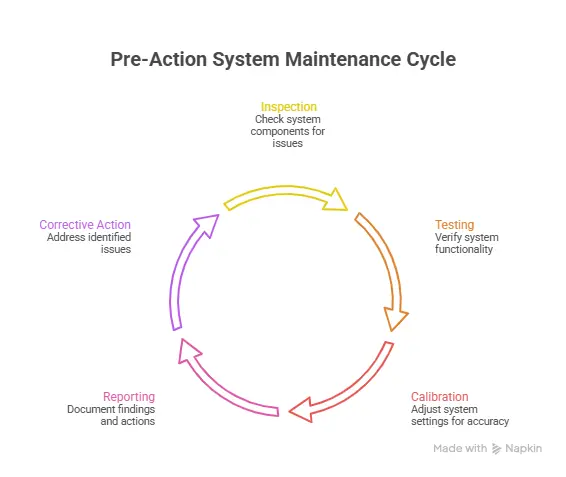
Routine inspection protocols are typically guided by NFPA fire standards, which outline testing frequencies and procedures. These standards emphasize the importance of verifying system integrity through periodic checks.
Maintenance activities often include testing air pressure levels, inspecting valves, and ensuring that detection systems are properly calibrated. Facilities can refer to detailed guidelines provided by organizations such as the National Fire Protection Association to ensure compliance with global best practices.
The Role of Predictive Maintenance
Modern fire protection systems are increasingly integrating smart technologies that enable predictive maintenance. Sensors can detect early signs of issues such as air leaks or corrosion, allowing teams to address problems before they escalate.
This shift toward proactive maintenance aligns with broader trends in fire risk prevention, where data-driven insights enhance system reliability and reduce downtime.
Common Challenges and How to Overcome Them
While pre-action systems offer advanced capabilities, they are not without challenges. Understanding these issues allows organizations to plan effectively and mitigate risks.
Air Pressure Loss
One of the most common issues in a dry pipe fire sprinkler system is the loss of air pressure. Even a minor leak can compromise system readiness, delaying activation during a fire event.
To address this, regular pressure monitoring and leak detection measures must be implemented. Advanced monitoring systems can provide real-time alerts, enabling faster response times.
Valve Malfunctions
The pre-action valve is the heart of the system, and any malfunction can disrupt the entire activation process. Issues may arise due to wear and tear, improper installation, or lack of maintenance.
Ensuring that valves are inspected and tested regularly is essential. Working with experienced contractors, such as those featured in DARS’s projects portfolio, can significantly reduce the risk of such failures.
Corrosion and Environmental Impact
Environmental conditions, particularly in regions with high humidity or temperature fluctuations, can accelerate corrosion within pipes. Over time, this can weaken the system and lead to leaks or blockages.
Using corrosion-resistant materials and implementing proper maintenance schedules are key strategies for mitigating this risk.
Cost Considerations and Investment Value
When evaluating a pre action dry pipe sprinkler system, cost is often a primary concern. However, focusing solely on initial investment can overlook the long-term value these systems provide.
Upfront Costs vs Long-Term Benefits
Pre-action systems generally require a higher initial investment compared to standard automatic sprinkler systems. This is due to their additional components, including detection systems and specialized valves.
However, this upfront cost is often offset by the reduction in risk. Preventing accidental water damage can save organizations significant amounts in repair and recovery costs.
Factors Influencing Cost
Several factors contribute to the overall cost of installation and operation. These include the size of the facility, the complexity of the system design, and the level of integration with other building systems.
Organizations should also consider ongoing maintenance expenses, which are essential for ensuring system reliability and compliance.
ROI in High-Value Environments
For facilities such as data centers or museums, the return on investment is particularly clear. Protecting critical assets and maintaining operational continuity can justify the higher cost of advanced fire suppression systems.
Integration with Smart Building Technologies
The future of fire protection systems lies in their integration with smart building infrastructure. Pre-action systems are increasingly being connected to centralized monitoring platforms, enabling real-time data analysis and control.
IoT and Remote Monitoring
Internet of Things (IoT) technologies allow facilities to monitor system performance remotely. This includes tracking air pressure levels, valve status, and detection system activity.
Such capabilities enhance operational efficiency and enable faster response to potential issues. Organizations can explore broader smart safety frameworks through resources like UL Solutions fire safety insights.
Building Management System Integration
Integrating pre-action systems with a Building Management System (BMS) creates a unified safety ecosystem. This allows for seamless communication between fire protection systems and other building functions.
For example, in the event of a fire, the system can trigger alarms, activate ventilation controls, and notify emergency services simultaneously.
Data-Driven Decision Making
The availability of real-time data enables organizations to make informed decisions about maintenance, upgrades, and risk management. This aligns with modern approaches to commercial fire safety, where technology plays a central role in enhancing protection.
Trends Shaping the Future of Fire Protection Systems
As industries evolve, so do the technologies that support them. The adoption of pre-action systems is part of a broader shift toward smarter, more adaptive fire protection solutions.
Growth in High-Tech Infrastructure
The expansion of data centers, smart cities, and advanced industrial facilities is driving demand for systems that offer both precision and reliability. Pre-action systems are well-suited to meet these requirements.
Increased Regulatory Focus
Regulatory bodies are placing greater emphasis on compliance and safety standards. This is encouraging organizations to adopt systems that meet or exceed these requirements.
Resources such as the International Code Council provide valuable insights into evolving building and safety codes.
Innovation in System Design
Advancements in materials, sensors, and system design are enhancing the performance of pre-action systems. These innovations are making systems more efficient, reliable, and easier to maintain.
Choosing the Right Partner for Implementation
Selecting the right contractor is a critical step in ensuring the success of a pre action dry pipe sprinkler system. The complexity of these systems requires expertise and experience.
Importance of Certified Professionals
Working with certified professionals ensures that the system is designed and installed according to industry standards. This reduces the risk of errors and ensures compliance with regulatory requirements.
Evaluating Experience and Capabilities
Organizations should look for partners with a proven track record in delivering advanced fire protection systems. Reviewing past projects and client testimonials can provide valuable insights.
DARS offers comprehensive solutions tailored to diverse environments, with a strong focus on precision and reliability. More details can be explored through their about page.
Advantages and Limitations of Pre Action Dry Pipe Sprinkler Systems
As organizations evaluate fire protection systems, understanding both the strengths and limitations of a pre action dry pipe sprinkler system is essential for making informed decisions. These systems are designed for precision, but like any advanced solution, they come with trade-offs that must be carefully considered.
Key Advantages
The most notable advantage of pre-action systems lies in their ability to prevent accidental water discharge. This is particularly valuable in environments where water damage could be catastrophic, such as data centers or archival facilities.
Another major benefit is their adaptability. These systems function effectively in cold environments where traditional wet systems may fail, making them a versatile solution across different climates. Additionally, their integration with advanced detection systems enhances overall reliability, aligning with modern expectations of automatic sprinkler systems.
Potential Limitations
Despite their benefits, pre-action systems are more complex than standard systems. This complexity can lead to higher installation and maintenance costs, as well as the need for specialized expertise.
Response time is another consideration. Since the system requires a two-step activation process, there may be a slight delay compared to wet pipe systems. However, this delay is often acceptable given the reduced risk of accidental discharge.
Making the Right Decision for Your Facility
Choosing the right fire protection solution is not simply about selecting the most advanced system. It requires aligning the system’s capabilities with the specific needs and risks of the facility.
Evaluating Risk Profiles
Every facility has a unique risk profile influenced by factors such as asset value, environmental conditions, and operational requirements. For high-value environments, the added protection of a pre-action system often outweighs the additional cost.
For example, a facility housing sensitive electronic equipment would prioritize minimizing water damage, making a pre-action system a logical choice.
Balancing Cost and Protection
Decision-makers must consider both short-term and long-term implications. While the upfront cost may be higher, the long-term savings from reduced risk and damage can justify the investment.
This balance is particularly important in sectors where downtime or asset loss can have significant financial consequences.
Aligning with Compliance and Standards
Ensuring compliance with NFPA fire standards and local regulations is a critical factor in system selection. A properly designed and installed system not only enhances safety but also ensures regulatory approval and operational continuity.
Future-Proofing Fire Protection Strategies
As industries evolve, so do the risks associated with fire hazards. Future-proofing fire protection systems requires a forward-thinking approach that incorporates both technology and strategy.
Embracing Smart Technologies
The integration of smart technologies into fire protection systems is transforming how organizations manage safety. Real-time monitoring, predictive analytics, and automated alerts are becoming standard features.
These advancements enhance fire risk prevention by enabling faster response times and more accurate system diagnostics. Organizations that adopt these technologies are better positioned to handle emerging challenges.
Scalability and Flexibility
A future-ready system must be scalable, allowing for expansion or modification as the facility grows. Pre-action systems, with their modular design, can be adapted to changing requirements without significant disruption.
This flexibility is particularly valuable in rapidly developing regions where infrastructure is constantly evolving.
Continuous Improvement Through Data
Data-driven insights are playing an increasingly important role in fire safety. By analyzing system performance and incident data, organizations can identify areas for improvement and optimize their safety strategies.
This approach aligns with global trends in fire suppression systems, where continuous improvement is key to maintaining high safety standards.
The Role of DARS in Advanced Fire Protection
As a trusted provider of fire protection solutions, DARS plays a critical role in helping organizations implement and maintain advanced systems. Their expertise spans design, installation, and ongoing support, ensuring that clients receive comprehensive solutions tailored to their needs.
Expertise in Complex Environments
DARS specializes in delivering solutions for high-risk and high-value environments. Their approach focuses on precision, reliability, and compliance with industry standards.
Through their risk management solutions, they help organizations assess vulnerabilities and implement effective safety strategies.
Commitment to Quality and Compliance
Adhering to strict regulatory requirements is a cornerstone of DARS’s operations. By aligning with international standards and local regulations, they ensure that every system meets the highest levels of safety and performance.
Their commitment to quality is reflected in their project execution and ongoing support services.
Supporting Vision-Driven Growth
As Saudi Arabia continues to invest in infrastructure and innovation, the demand for advanced fire protection systems will only increase. DARS is positioned to support this growth by providing solutions that align with national development goals and safety priorities.
Final Thoughts: A Strategic Approach to Fire Protection
The pre action dry pipe sprinkler system represents a significant advancement in fire protection technology. By combining precision, reliability, and adaptability, it addresses the unique challenges of modern environments.
Organizations that invest in these systems are not only enhancing their safety measures but also protecting their assets and ensuring operational continuity. The ability to minimize risks while maintaining compliance makes these systems a valuable component of any comprehensive fire safety strategy.
As fire risks continue to evolve, the importance of choosing the right system and the right partner cannot be overstated. With the right approach, businesses can build resilient, future-ready environments that prioritize both safety and performance.