
Introduction: Why Automatic Fire Protection Is No Longer Optional
Fire safety is no longer just about having equipment on standby. It is about response time, reliability, and eliminating human delay. This is where the auto fire extinguisher becomes a critical component of modern safety strategies, especially in rapidly developing environments like Saudi Arabia.
As urban infrastructure expands and vehicle usage increases, fire risks are becoming more complex. According to global safety standards like NFPA 10, immediate response to fire incidents significantly reduces damage and saves lives. However, manual intervention is often too slow or unavailable.
An auto fire extinguisher changes this equation entirely. It activates automatically, suppressing fire at its earliest stage without requiring human action. This makes it essential for high-risk areas such as vehicle engine compartments, kitchens, warehouses, and server rooms.
For organizations aiming to align with fire safety compliance standards while ensuring continuous protection, automatic systems are no longer a luxury. They are a necessity.
What Is an Auto Fire Extinguisher?
Definition and Core Functionality
An auto fire extinguisher is a self-activating device designed to detect heat or flames and release a fire-suppressing agent instantly. Unlike traditional extinguishers, it does not rely on human operation.
The system is typically part of a broader fire detection and suppression setup, ensuring that fires are contained at the earliest possible stage. This early intervention is what makes it highly effective in preventing escalation.
How It Differs from Manual Fire Extinguishers
The key difference lies in response time and automation. Manual extinguishers depend on awareness, accessibility, and user training. In contrast, an auto fire extinguisher removes all these variables.
This distinction is particularly important in unmanned or high-risk environments where immediate human response is unlikely.
How Does an Auto Fire Extinguisher Work?
The Activation Mechanism Explained
Most systems rely on a heat-sensitive component such as a fusible link. When temperatures reach a predefined threshold, typically between 68°C and 93°C, the link melts.
This triggers the release of a pressurized extinguishing agent, often dry chemical powder, within seconds. The rapid discharge ensures that the fire is suppressed before it spreads.
Key Components of the System
An effective automatic fire suppression system includes:
- A detection mechanism (heat or flame-based)
- A pressurized extinguishing agent
- A discharge system for rapid deployment
Each component works in coordination to deliver immediate protection. This is especially critical in confined environments like engine compartments or electrical panels.
Why Speed Matters in Fire Suppression
Fire spreads exponentially. Within minutes, a small spark can escalate into a full-scale incident. Research from organizations like the National Institute of Standards and Technology shows that early suppression significantly reduces damage and downtime.
This is why an automatic fire protection solution is not just about convenience. It is about controlling risk at its source.
Types of Auto Fire Extinguishers Available
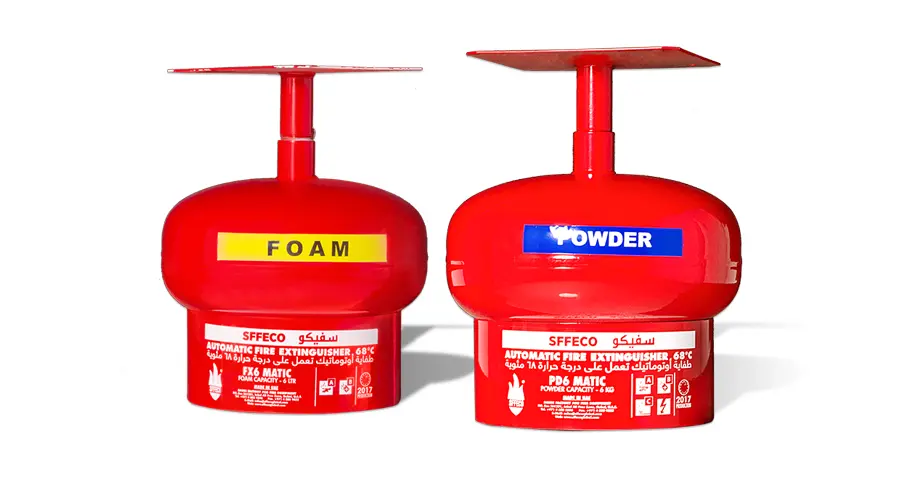
Ceiling-Mounted Systems for Buildings
These systems are widely used in commercial and industrial settings. They are typically installed at heights of 2 to 2.5 meters and cover specific zones.
They are ideal for kitchens, storage areas, and server rooms where fire risks are concentrated.
Vehicle-Based Systems
A vehicle fire extinguisher system is designed specifically for automotive applications. These compact units are installed in engine compartments or cabins and activate automatically in case of fire.
They are becoming increasingly important as part of engine fire protection systems, especially in commercial fleets and heavy vehicles.
Specialized Solutions for Industrial Use
In industrial environments, auto fire extinguishers are integrated into broader industrial fire protection frameworks. These systems are designed to handle complex risks such as flammable materials, electrical hazards, and machinery overheating.
For example, industries often follow guidelines from organizations like OSHA to ensure comprehensive safety coverage.
Applications of Auto Fire Extinguishers in Saudi Arabia
Growing Demand Across Multiple Sectors
Saudi Arabia’s rapid development has led to increased demand for advanced fire safety systems. From residential buildings to industrial facilities, the need for reliable fire protection is more critical than ever.
Auto fire extinguishers are now widely used in:
- Vehicles and transportation fleets
- Commercial kitchens and restaurants
- Warehouses and logistics centers
This widespread adoption reflects a shift toward proactive fire risk prevention rather than reactive measures.
Vehicle Safety and Compliance
Vehicle fires are among the most common risks, particularly in high-temperature environments. This is why many vehicle inspections now emphasize the presence of an onboard fire suppression system.
Authorities encourage compliance with standards set by organizations like SASO, ensuring that all safety equipment meets quality and performance requirements.
Protection in High-Risk Environments
Auto fire extinguishers are particularly effective in areas where fires can start unnoticed. Electrical rooms, server racks, and storage facilities benefit significantly from automatic systems.
These environments require continuous monitoring and immediate response, both of which are provided by automated solutions.
Saudi Regulations and Fire Safety Compliance
Understanding Civil Defense Requirements
In Saudi Arabia, fire safety is governed by strict regulations enforced by Civil Defense authorities. These regulations align with international standards such as NFPA and the Saudi Building Code.
Businesses and vehicle owners are required to maintain proper fire protection systems, including certified extinguishers.
Certification and Inspection Standards
Auto fire extinguishers must meet specific certification requirements, including UL and SASO approvals. Regular inspections are mandatory to ensure functionality and compliance.
Failure to comply can result in penalties and increased safety risks.
For businesses looking to align with these requirements, working with certified providers like DARS’s services ensures proper implementation and ongoing support.
Advantages of Using an Auto Fire Extinguisher
Continuous Protection Without Human Intervention
One of the most significant benefits is 24/7 protection. The system operates independently, ensuring that fires are addressed even in the absence of personnel.
Reduced Risk and Damage
By suppressing fires at their earliest stage, auto fire extinguishers minimize damage to property and equipment. This is particularly valuable in industrial and commercial settings.
Ease of Integration
Modern systems can be integrated into existing automatic fire protection solutions, making them adaptable to various environments.
Installation Guidelines for Auto Fire Extinguishers
Why Proper Installation Determines System Effectiveness
Installing an auto fire extinguisher is not just a technical step. It directly impacts how quickly and effectively the system responds during a fire incident. Even the most advanced automatic fire suppression system can fail if it is poorly positioned or incorrectly configured.
The goal is to ensure that the extinguishing agent reaches the source of the fire instantly. This requires a clear understanding of risk zones, airflow patterns, and environmental conditions. Without this, the system may activate but fail to suppress the fire efficiently.
For businesses in Saudi Arabia, professional installation is often required to meet fire safety compliance standards enforced by Civil Defense authorities.
Key Installation Principles for Maximum Coverage
Placement is the most critical factor in installation. Auto fire extinguishers must be installed as close as possible to potential fire sources without being exposed to direct interference such as extreme heat or sunlight.
In vehicles, systems are typically mounted inside engine compartments using secure brackets. In buildings, ceiling-mounted units are installed at heights between 2 and 2.5 meters to ensure optimal dispersion.
These practices align with global recommendations from organizations like NFPA, which emphasize strategic positioning to maximize suppression efficiency.
Common Installation Mistakes to Avoid
Many installations fail due to simple oversights. Placing the unit too far from the hazard reduces effectiveness, while incorrect mounting angles can affect discharge direction.
Another common issue is ignoring environmental conditions. Exposure to extreme temperatures outside the recommended 20–55°C range can compromise system performance.
This is why working with experienced providers like DARS ensures that systems are installed according to both local and international standards.
Best Locations for Auto Fire Extinguishers
Identifying High-Risk Areas
The effectiveness of an auto fire extinguisher depends heavily on where it is installed. High-risk areas are typically those with heat generation, electrical activity, or flammable materials.
In commercial settings, kitchens and storage areas are primary risk zones. In industrial environments, machinery and electrical panels pose significant threats.
For vehicles, engine compartments remain the most critical area due to fuel systems and high operating temperatures.
Strategic Placement for Maximum Protection
The goal is to create a protective layer that addresses fire risks before they escalate. This involves combining fire detection and suppression with proper zoning.
In large facilities, multiple units may be required to cover different sections. This ensures that no area is left unprotected, especially in environments where fire can spread quickly.
Guidelines from Saudi Civil Defense emphasize the importance of covering all critical zones to achieve full compliance.
Maintenance and Inspection: Keeping Systems Reliable
Why Regular Maintenance Is Essential
An auto fire extinguisher is only effective if it is fully operational at all times. Regular maintenance ensures that the system will activate correctly when needed.
Over time, components can degrade, pressure levels may drop, and sensors can become less responsive. Without proper checks, these issues can go unnoticed until it is too late.
This is why maintenance is a key part of any fire safety systems strategy.
Routine Inspection Practices
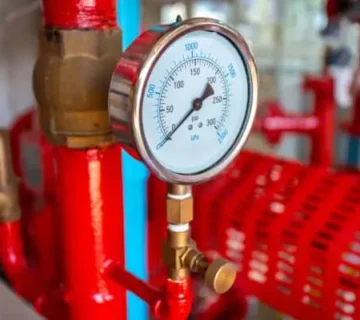
Routine inspections should focus on ensuring that all components are functioning correctly. This includes checking pressure gauges, verifying mounting stability, and ensuring that there is no visible damage or corrosion.
Professional servicing is typically required on an annual basis. This ensures compliance with international standards such as those outlined by UL Solutions.
In Saudi Arabia, inspections are often tied to regulatory requirements, making them essential for both safety and legal compliance.
Signs That an Auto Fire Extinguisher Needs Attention
Certain indicators suggest that a system may not be functioning properly. These include low pressure readings, visible corrosion, and expired service tags.
Ignoring these signs can compromise the entire vehicle fire extinguisher system or building setup. Regular monitoring helps identify these issues early and ensures continuous protection.
Cost Considerations and Budget Planning
Understanding the Investment
The cost of an auto fire extinguisher varies depending on its type, size, and application. Vehicle units are generally more affordable, while larger ceiling-mounted systems for industrial use require a higher investment.
However, cost should not be evaluated in isolation. The real value lies in risk reduction, asset protection, and compliance with safety regulations.
Businesses that invest in automatic fire protection solutions often see long-term savings by avoiding fire-related losses and downtime.
Balancing Cost and Performance
Choosing the cheapest option can lead to compromised safety. Instead, decision-makers should focus on certified products that meet recognized standards.
High-quality systems may have a higher upfront cost but offer better reliability and longer lifespan. This aligns with best practices recommended by organizations like FM Global.
Choosing the Right Auto Fire Extinguisher
Factors to Consider Before Selection
Selecting the right system requires a clear understanding of the environment and associated risks. Different applications require different types of extinguishing agents and system configurations.
For example, vehicles require compact, fast-acting systems, while industrial environments need scalable solutions that integrate with broader industrial fire protection frameworks.
Matching Systems to Specific Needs
A one-size-fits-all approach does not work in fire safety. Each environment has unique risks that must be addressed individually.
In Saudi Arabia, businesses often consult specialists to ensure that their systems meet both operational needs and regulatory requirements. This approach ensures that the chosen system delivers maximum effectiveness.
For guidance on selecting the right solution, resources like DARS’s safety articles provide valuable insights into best practices and industry standards.
Where to Buy Reliable Auto Fire Extinguishers
Trusted Suppliers and Certification Importance
Purchasing from reputable suppliers is critical to ensuring system reliability. Certified products provide assurance that the system has been tested and meets safety standards.
In Saudi Arabia, suppliers in major cities like Riyadh, Jeddah, and Dammam offer a range of certified options. Online platforms also provide access to various products, but buyers must verify certifications before purchasing.
What to Look for in a Supplier
A reliable supplier should offer more than just products. They should provide installation support, maintenance services, and compliance guidance.
This ensures that the entire lifecycle of the onboard fire suppression system or building setup is managed effectively.
Integrating Auto Fire Extinguishers into Broader Safety Systems
The Role of Layered Protection
An auto fire extinguisher is most effective when integrated into a comprehensive safety strategy. This includes alarms, detectors, and emergency response systems.
Layered protection ensures that fires are detected early, suppressed quickly, and managed effectively. This approach is widely recommended by global safety authorities.
Enhancing Overall Fire Risk Prevention
By combining multiple safety measures, businesses can significantly reduce fire risks. This not only protects assets but also ensures compliance with safety regulations.
In Saudi Arabia, this integrated approach is becoming the standard for modern fire safety planning.
The Future of Auto Fire Extinguishers in Modern Safety Systems
How Technology Is Redefining Fire Protection
Fire protection is evolving rapidly, and the auto fire extinguisher is at the center of this transformation. What was once a simple heat-triggered device is now becoming part of intelligent, connected safety ecosystems.
Modern systems are increasingly integrated with smart sensors, real-time monitoring, and predictive analytics. These advancements allow businesses to detect risks before they escalate, shifting the focus from response to prevention.
According to insights from International Fire Protection Magazine, the industry is moving toward smarter, automated systems that reduce reliance on human intervention while improving overall safety outcomes.
The Rise of Smart and Connected Systems
The integration of IoT (Internet of Things) is transforming traditional fire safety systems into proactive safety networks. Auto fire extinguishers can now be connected to centralized dashboards, providing real-time alerts and system status updates.
This level of visibility allows facility managers to monitor multiple locations simultaneously, ensuring that every system is operational at all times. It also simplifies maintenance by identifying issues before they become critical.
For industries managing large-scale operations, this evolution represents a major step forward in fire risk prevention.
Auto Fire Extinguishers in High-Growth Markets Like Saudi Arabia
Aligning with Vision 2030 and Infrastructure Expansion
Saudi Arabia’s Vision 2030 is driving significant growth across sectors such as construction, transportation, and logistics. With this expansion comes an increased demand for advanced safety solutions.
Auto fire extinguishers are becoming a standard requirement in both new developments and existing facilities. Their ability to provide immediate response aligns perfectly with the Kingdom’s focus on safety, efficiency, and innovation.
As regulatory frameworks continue to evolve, businesses are expected to adopt more advanced automatic fire protection solutions to remain compliant.
Increasing Demand in Transportation and Logistics
The transportation sector is one of the fastest-growing areas for auto fire extinguisher adoption. With the rise of fleet operations, the need for reliable engine fire protection systems has become more critical than ever.
Vehicle fires can result in significant financial losses and operational disruptions. By installing an onboard fire suppression system, companies can protect their assets and ensure continuity.
This trend is particularly relevant in Saudi Arabia, where long-distance transportation and extreme temperatures increase fire risks.
Building a Long-Term Fire Safety Strategy
Moving Beyond Compliance to Proactive Safety
Many organizations approach fire safety as a compliance requirement. However, leading businesses understand that true safety goes beyond meeting minimum standards.
An effective strategy focuses on prevention, early detection, and rapid response. This is where the auto fire extinguisher plays a central role, acting as the first line of defense in any fire scenario.
By integrating these systems into a broader safety framework, businesses can create a more resilient and secure environment.
Key Elements of a Sustainable Fire Protection Plan
A long-term approach to fire safety requires a combination of technology, processes, and expertise. While every organization has unique needs, successful strategies often share common elements.
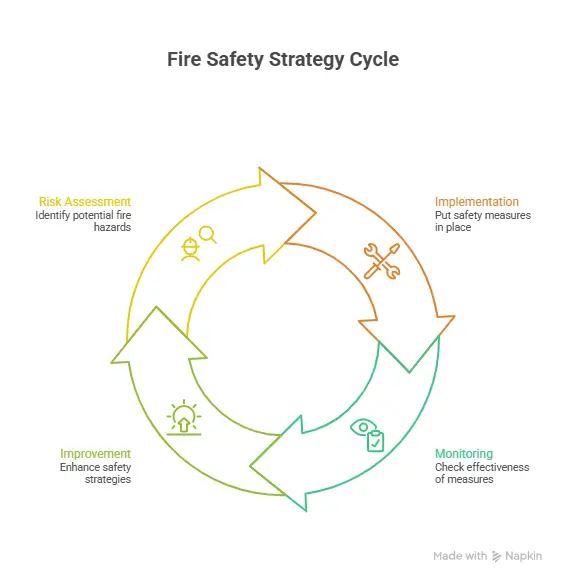
These include risk assessment, system integration, and ongoing maintenance. Together, they ensure that safety measures remain effective over time.
For organizations seeking structured guidance, resources like NFPA’s fire protection guidelines provide a strong foundation for building comprehensive safety programs.
Real-World Impact: Why Auto Fire Extinguishers Make a Difference
Reducing Downtime and Financial Losses
Fire incidents can have devastating consequences for businesses, including operational downtime, equipment damage, and financial loss. Auto fire extinguishers help mitigate these risks by responding instantly.
By suppressing fires at their earliest stage, these systems prevent minor incidents from becoming major disasters. This not only protects assets but also ensures business continuity.
Protecting Lives and Critical Assets
Beyond financial considerations, fire safety is ultimately about protecting lives. Auto fire extinguishers provide an added layer of protection, especially in environments where immediate human response is not possible.
In high-risk settings such as industrial facilities and transportation systems, this level of protection can make a significant difference.
This reinforces the role of industrial fire protection systems in safeguarding both people and infrastructure.
Common Misconceptions About Auto Fire Extinguishers
“They Replace All Other Safety Systems”
One common misconception is that auto fire extinguishers can replace other safety measures. In reality, they are most effective when used alongside alarms, detectors, and emergency response systems.
This layered approach ensures comprehensive protection and aligns with global best practices in fire safety.
“They Require No Maintenance”
While auto fire extinguishers are automated, they still require regular maintenance. Ignoring inspections can compromise system performance and reliability.
Routine checks and professional servicing remain essential to ensure continuous operation.
How DARS Supports Advanced Fire Protection
Expertise in Safety Systems Implementation
As a trusted provider of safety solutions, DARS plays a key role in helping businesses implement effective fire protection strategies. Their approach focuses on applying and developing systems that meet both local and international standards.
Through their expertise in fire detection and suppression, they ensure that every system is tailored to the specific needs of the environment.
Supporting Compliance and Long-Term Safety
DARS also helps organizations navigate regulatory requirements, ensuring full alignment with Civil Defense standards and the Saudi Building Code.
By combining technical expertise with a deep understanding of local regulations, they provide solutions that go beyond compliance to deliver real, lasting protection.
Businesses can explore their full range of offerings through DARS’s official website, where services and project implementations are detailed.
Conclusion: Why Auto Fire Extinguishers Are Essential Today
The role of the auto fire extinguisher in modern fire safety cannot be overstated. It represents a shift from reactive measures to proactive protection, ensuring that fires are addressed instantly and effectively.
As industries continue to grow and risks become more complex, the need for automated solutions will only increase. Businesses that invest in these systems are not just meeting regulatory requirements. They are building safer, more resilient operations.
By combining advanced technology, proper implementation, and ongoing maintenance, organizations can create a comprehensive fire safety strategy that protects both people and assets.
In a world where every second matters, the auto fire extinguisher stands as one of the most reliable tools for ensuring immediate and effective fire protection.