
Introduction: Why Fire Safety Is No Longer Optional
In today’s rapidly developing urban environments, understanding what is fire alarm system is no longer just a technical concern reserved for engineers. It has become a critical requirement for businesses, property owners, and decision-makers who are responsible for protecting lives and assets. Across regions like Saudi Arabia, where large-scale infrastructure projects are accelerating under Vision 2030, fire safety is directly tied to regulatory compliance and operational continuity.
A fire alarm system acts as the first line of defense against potential disasters. It ensures early detection of fire hazards and enables timely evacuation, reducing the risk of injuries and property loss. According to the National Fire Protection Association (NFPA), early detection systems significantly improve survival rates in fire incidents, making them a cornerstone of modern fire protection strategies.
This article explores the fundamentals of fire alarm systems, how they work, and why they are essential in today’s built environment. It also sets the foundation for understanding system types, installation practices, and compliance requirements, which will be covered in the next parts.
What Is a Fire Alarm System?
A fire alarm system is an integrated network of devices designed to detect fire-related hazards such as smoke, heat, or flames and alert occupants immediately. It operates as part of broader fire safety systems, ensuring that both people and infrastructure are protected through early intervention.
From a strategic perspective, a fire alarm system is not just a standalone solution. It is a vital component of comprehensive fire protection systems, often working alongside suppression systems like sprinklers and emergency response mechanisms.
The importance of these systems lies in their ability to transform a potentially catastrophic event into a manageable situation. By providing early warnings, they allow occupants to evacuate safely and emergency teams to respond effectively.
How Does a Fire Alarm System Work?
The Detection-to-Response Process
At its core, a fire detection system follows a structured process that begins with sensing a hazard and ends with alerting occupants and authorities.
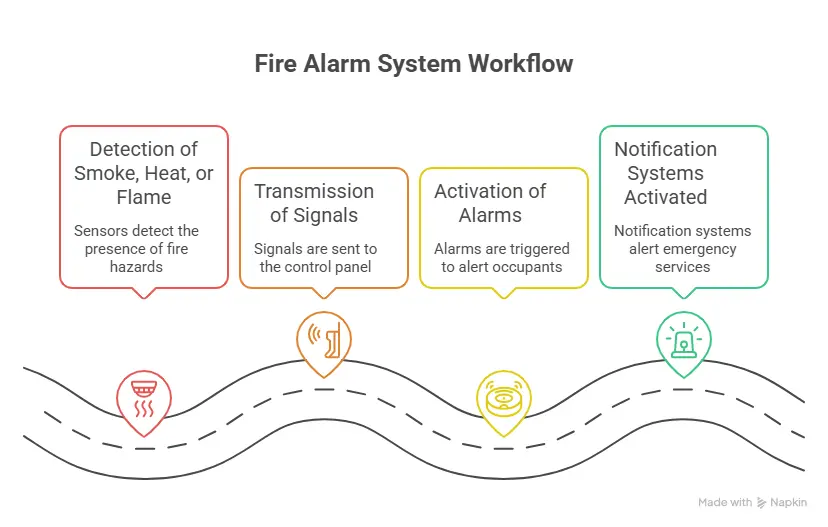
Each step is interconnected, ensuring that no delay occurs between detection and response. This seamless communication is what makes modern systems highly reliable.
Role of the Fire Alarm Control Panel (FACP)
The Fire Alarm Control Panel (FACP) acts as the brain of the system. Once a detector identifies a potential hazard, it sends a signal to the panel, which then determines the appropriate response.
According to UL Standards, certified control panels must meet strict performance requirements to ensure accurate signal processing and system reliability. This is particularly important in large-scale buildings where multiple zones and devices are involved.
The FACP also enables integration with other building systems, such as elevators, HVAC, and suppression systems, creating a unified safety response.
Key Fire Alarm Components You Should Know
Understanding fire alarm components is essential for anyone evaluating or managing a system. Each component plays a specific role in ensuring the system functions effectively.
Detection Devices
Detectors are responsible for identifying signs of fire. These include smoke detectors, heat detectors, and flame detectors. Each type is designed for specific environments and risk levels.
For example, smoke detectors are ideal for office spaces, while heat detectors are better suited for industrial environments where dust or smoke may cause false alarms.
Notification Devices
Once a hazard is detected, notification devices such as sirens, bells, and flashing lights alert occupants. These devices are critical in ensuring that everyone in the building is aware of the situation.
The Saudi Building Code (SBC) emphasizes the importance of clear and audible alarm systems, especially in high-occupancy buildings.
Manual Call Points and Backup Systems
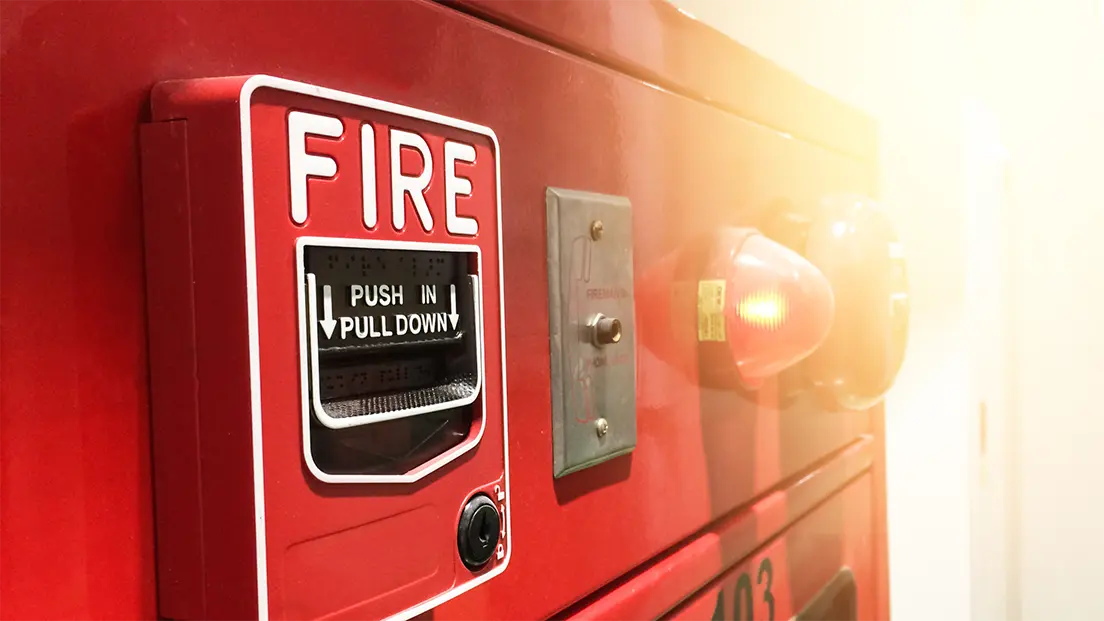
Manual call points allow individuals to trigger the alarm manually if they detect a fire before the system does. Backup power supplies, such as batteries, ensure that the system remains operational even during power outages.
These components collectively ensure that the system is both proactive and reactive, covering all possible scenarios.
Types of Fire Alarm Systems Explained
Choosing the right system requires understanding the types of fire alarm systems available. Each type is designed for specific applications and building requirements.
Conventional Fire Alarm System
A conventional fire alarm system divides a building into zones. When an alarm is triggered, the system identifies the affected zone but not the exact device.
This type is commonly used in smaller buildings where detailed pinpointing is not critical. It offers a cost-effective solution while still providing reliable detection.
Addressable Fire Alarm System
An addressable fire alarm system assigns a unique address to each device. This allows the system to identify the exact location of the hazard.
This level of precision is essential in large or complex buildings, where quick identification of the source can significantly improve response times.
According to Honeywell Fire Safety, addressable systems reduce troubleshooting time and improve maintenance efficiency, making them a preferred choice for modern facilities.
Wireless and Smart Systems
Emerging technologies have introduced wireless and IoT-enabled systems that offer greater flexibility and real-time monitoring. These systems are particularly useful in retrofitting older buildings where wiring may be challenging.
They also support integration with smart building platforms, enabling remote monitoring and predictive maintenance.
Fire Alarm Systems in Saudi Arabia: Regulations and Compliance
In Saudi Arabia, fire alarm systems are not just recommended they are mandatory. Compliance with local regulations is essential for obtaining building approvals and avoiding penalties.
The Saudi Civil Defense, along with the Saudi Standards, Metrology and Quality Organization (SASO), enforces strict guidelines for fire safety systems. These regulations are aligned with international standards such as NFPA and UL.
For businesses operating in the Kingdom, working with certified providers like DARS ensures that systems meet all regulatory requirements. This not only protects occupants but also safeguards the organization from legal and financial risks.
Why Fire Alarm Systems Matter in Modern Infrastructure
The role of fire alarm systems has evolved significantly in recent years. They are no longer just reactive tools but proactive solutions that enhance overall building safety.
In high-rise buildings, industrial facilities, and commercial complexes, early detection can mean the difference between a minor incident and a major disaster. This is particularly relevant in rapidly growing cities where infrastructure complexity continues to increase.
Moreover, integrating fire alarm systems with broader fire protection systems ensures a coordinated response, minimizing damage and downtime.
Fire Alarm Installation: From Planning to Execution
After understanding what is fire alarm system and its core components, the next step is recognizing how these systems are properly implemented. Fire alarm installation is not a simple plug-and-play process. It requires careful planning, technical expertise, and strict adherence to safety standards to ensure the system performs reliably when needed.
The process begins with a detailed site assessment. This involves evaluating the building layout, identifying high-risk zones, and determining the most effective placement for detectors and alarm devices. According to NFPA 72 guidelines, proper placement is essential to avoid blind spots and ensure full coverage. Without this step, even the most advanced system may fail to detect a fire in time.
The Step-by-Step Installation Process
The installation process follows a structured approach that ensures both efficiency and compliance. It starts with system design, where engineers map out device locations, wiring routes, and control panel integration. This is followed by physical installation, where detectors, control panels, and notification devices are installed according to approved plans.
Once installation is complete, the system undergoes rigorous testing and commissioning. This phase ensures that every component communicates correctly and responds as expected. Authorities such as the Saudi Civil Defense require full system validation before approving occupancy, making this step critical for project timelines.
Best Practices for Effective Fire Alarm Installation
A properly installed fire detection system is defined not only by the quality of its components but also by how well it is configured to suit the environment. In commercial buildings, zoning plays a major role in ensuring quick response and easy identification of fire sources.
In industrial environments, where conditions can be more challenging, specialized detectors must be used to prevent false alarms while maintaining sensitivity. For example, heat detectors are often preferred in areas with dust or smoke particles that could trigger standard smoke detectors unnecessarily.
Working with experienced providers such as DARS ensures that these best practices are applied effectively. Their expertise in large-scale projects allows them to tailor solutions that meet both operational needs and regulatory requirements.
Fire Alarm Maintenance: Ensuring Long-Term Reliability
Understanding installation is only part of the equation. Fire alarm maintenance is equally important in ensuring that the system remains operational over time. Even the most advanced systems can fail if they are not regularly tested and serviced.
Maintenance involves routine inspections, functional testing, and component replacement when necessary. According to ISO fire safety standards, periodic testing is essential to ensure that systems respond accurately during emergencies. This includes checking detectors, verifying alarm signals, and ensuring backup power systems are functioning properly.
Regular maintenance also helps identify potential issues before they escalate. For example, dust accumulation in detectors can lead to false alarms or reduced sensitivity, both of which can compromise safety.
Common Issues in Fire Alarm Systems and How to Prevent Them
Fire alarm systems, like any technical infrastructure, are not immune to challenges. One of the most common issues is false alarms, which can disrupt operations and reduce trust in the system.
False alarms are often caused by environmental factors such as dust, humidity, or improper detector placement. Addressing these issues requires a combination of proper system design and ongoing maintenance. Calibration of sensors and regular cleaning can significantly reduce the occurrence of unnecessary alerts.
Another common issue is system failure due to neglected maintenance or outdated components. This highlights the importance of working with certified providers who offer ongoing support and upgrades as part of their service offerings.
How to Choose the Right Fire Alarm System
Selecting the right system requires a strategic approach. It is not just about choosing between a conventional fire alarm system or an addressable fire alarm system, but about understanding the specific needs of the building and its occupants.
The first step is conducting a comprehensive risk assessment. This involves evaluating the building size, occupancy type, and potential hazards. For example, a residential villa may require a simpler system, while a high-rise commercial building will need a more advanced, addressable solution.
Another key factor is scalability. As buildings expand or operations evolve, the system should be able to adapt without requiring a complete overhaul. This is where modern, addressable systems offer a significant advantage.
For those looking to make informed decisions, resources such as the DARS guide on choosing systems provide valuable insights into selecting the most suitable solution.
Cost Factors and Investment Considerations
When evaluating fire alarm systems, cost is often a primary concern. However, it is important to view this as an investment rather than an expense. The cost of a system is influenced by several factors, including system type, building size, and level of integration with other fire protection systems.
Addressable systems, while more expensive upfront, offer greater efficiency and lower long-term maintenance costs. On the other hand, conventional systems may be more cost-effective for smaller buildings with simpler requirements.
In Saudi Arabia, compliance costs must also be considered. Meeting Civil Defense requirements is mandatory, and failure to do so can result in fines or project delays. This makes it essential to work with certified providers who understand local regulations.
Integration with Modern Building Technologies
The evolution of technology has transformed fire alarm systems into intelligent networks that integrate seamlessly with modern building management systems (BMS). This integration allows for real-time monitoring, automated responses, and improved coordination during emergencies.
For example, when a fire is detected, the system can automatically shut down HVAC systems, unlock emergency exits, and notify emergency services. This level of automation enhances both safety and operational efficiency.
According to Siemens Smart Infrastructure, integrated systems are becoming the standard in smart buildings, particularly in cities like Riyadh and Jeddah where large-scale developments are underway.
The Role of IoT and Smart Fire Alarm Systems
One of the most significant trends in the industry is the adoption of IoT-enabled fire alarm systems. These systems provide real-time data, remote monitoring, and predictive analytics, allowing building managers to take proactive measures.
Advanced Trends Shaping the Future of Fire Alarm Systems
As the understanding of what is fire alarm system continues to evolve, so does the technology behind it. Modern systems are no longer limited to detection and alerts. They are becoming intelligent ecosystems that actively contribute to risk prevention, operational efficiency, and data-driven decision-making.
One of the most significant advancements is the integration of artificial intelligence and predictive analytics. These technologies enable systems to analyze patterns, detect anomalies, and predict potential fire risks before they occur. According to Johnson Controls Fire Safety, predictive systems are transforming fire safety from a reactive measure into a proactive strategy.
This shift is particularly relevant in large-scale developments where complexity increases the likelihood of unnoticed hazards. By leveraging advanced technologies, organizations can move beyond compliance and toward true resilience.
Smart Fire Alarm Systems and IoT Integration
The rise of IoT has redefined how fire safety systems operate within modern buildings. Smart fire alarm systems are now capable of connecting with multiple devices, platforms, and stakeholders in real time, creating a fully integrated safety network.
In practice, this means that a fire detection system can communicate with building management systems, security platforms, and even mobile applications. When a fire is detected, alerts can be sent instantly to facility managers, emergency responders, and occupants, ensuring a faster and more coordinated response.
This level of connectivity also enables remote monitoring. Facility managers can oversee system performance, receive maintenance alerts, and address issues without being physically present. As highlighted by Bosch Building Technologies, IoT-enabled systems are becoming essential in smart cities and high-performance buildings.
Compliance Strategies for Long-Term Safety
In regions like Saudi Arabia, compliance is not a one-time requirement but an ongoing responsibility. Understanding what is fire alarm system includes recognizing the importance of maintaining compliance throughout the lifecycle of the building.
Regulatory frameworks such as the Saudi Building Code and Civil Defense guidelines require regular inspections, testing, and documentation. These requirements are designed to ensure that systems remain functional and effective over time.
Organizations that adopt a proactive compliance strategy are better positioned to avoid penalties, reduce operational risks, and maintain business continuity. Partnering with certified providers like DARS ensures that all systems are aligned with both local and international standards.
Real-World Applications Across Different Sectors
The application of fire protection systems varies significantly depending on the industry and environment. Each sector presents unique challenges that require tailored solutions.
In residential settings, systems are designed to provide early detection and simple evacuation alerts. In contrast, commercial buildings require more advanced systems that can manage large occupant volumes and complex layouts.
Industrial facilities present the highest level of complexity. These environments often involve hazardous materials, high temperatures, and operational risks that demand specialized detection technologies and robust system integration.
By understanding these differences, organizations can select and implement systems that are specifically designed to address their unique risks and operational requirements.
Building a Comprehensive Fire Safety Framework
A fire alarm system is only one part of a larger safety strategy. To achieve optimal protection, organizations must adopt a holistic approach that integrates detection, suppression, and emergency response.
This framework begins with risk assessment, followed by system design, installation, and ongoing maintenance. It also includes employee training, emergency planning, and continuous improvement based on system performance data.
The value of this approach lies in its ability to create a layered defense against fire hazards. Each component reinforces the others, ensuring that no single point of failure can compromise safety.
For organizations looking to implement such frameworks, exploring services like DARS’s safety solutions provides a strong foundation for building effective and compliant systems.
The Role of Data in Fire Safety Decision-Making
One of the most overlooked aspects of modern fire alarm systems is their ability to generate and analyze data. Every alert, test, and maintenance activity contributes to a growing dataset that can be used to improve system performance and safety outcomes.
By analyzing this data, organizations can identify patterns, optimize maintenance schedules, and reduce the likelihood of system failures. This data-driven approach aligns with broader trends in digital transformation, where insights are used to enhance efficiency and reduce risks.
In the context of Vision 2030, where smart infrastructure and digital innovation are key priorities, leveraging data from fire alarm systems is becoming increasingly important.
Common Mistakes to Avoid When Implementing Fire Alarm Systems
Despite the availability of advanced technologies, many organizations still face challenges in implementing effective systems. These challenges often stem from a lack of understanding or poor planning.
One common mistake is underestimating the importance of system design. Without a proper risk assessment, systems may be installed in a way that leaves critical areas unprotected. Another issue is neglecting maintenance, which can lead to system failures during emergencies.
Additionally, choosing the wrong type of system for the building can result in inefficiencies and increased costs. This reinforces the importance of working with experienced professionals who can guide the decision-making process.
The Future of Fire Alarm Systems in Saudi Arabia
Looking ahead, the future of fire alarm systems in Saudi Arabia is closely tied to the country’s broader development goals. As cities become smarter and infrastructure becomes more complex, the demand for advanced fire safety systems will continue to grow.
Technologies such as AI, IoT, and cloud computing will play a central role in shaping the next generation of systems. These innovations will enable faster response times, improved accuracy, and greater integration with other building systems.
At the same time, regulatory frameworks will continue to evolve, requiring organizations to stay updated and adaptable. This dynamic environment presents both challenges and opportunities for businesses committed to safety and innovation.
Conclusion: Why Understanding Fire Alarm Systems Matters
Understanding what is fire alarm system goes beyond technical knowledge. It is about recognizing the role these systems play in protecting lives, assets, and operations in an increasingly complex world.
From basic detection to advanced smart systems, fire alarm technologies have evolved to meet the demands of modern infrastructure. Their importance is amplified in regions like Saudi Arabia, where rapid development and strict regulations make fire safety a top priority.
Organizations that invest in the right systems, maintain them effectively, and integrate them into a broader safety strategy are better equipped to handle risks and ensure long-term success.
Ultimately, a fire alarm system is not just a requirement it is a commitment to safety, responsibility, and resilience.