
Why an Automatic Sprinkler System Is More Than a Firefighting Feature
An automatic sprinkler system is one of the most important active fire protection systems inside modern buildings. It is designed to detect heat from a developing fire and release water directly over the affected area, often before the fire spreads beyond its point of origin. This makes it different from manual firefighting tools, because it responds even when no one is present in the room.
In Saudi Arabia, sprinkler systems have become a central part of safe building planning, especially in commercial, residential, industrial, hospitality, healthcare, and mixed-use projects. With stronger enforcement of fire safety requirements, developers and facility managers can no longer treat sprinklers as optional technical additions. They are part of the building’s approval path, operational safety, and long-term risk management.
For DARS, the value of a sprinkler system is not only in the pipes and sprinkler heads. It is in the way the system is designed, installed, tested, approved, and maintained. A reliable system supports fire safety compliance, protects property, reduces business interruption, and most importantly, supports the protection of lives.
What Is an Automatic Sprinkler System?
The Basic Engineering Concept
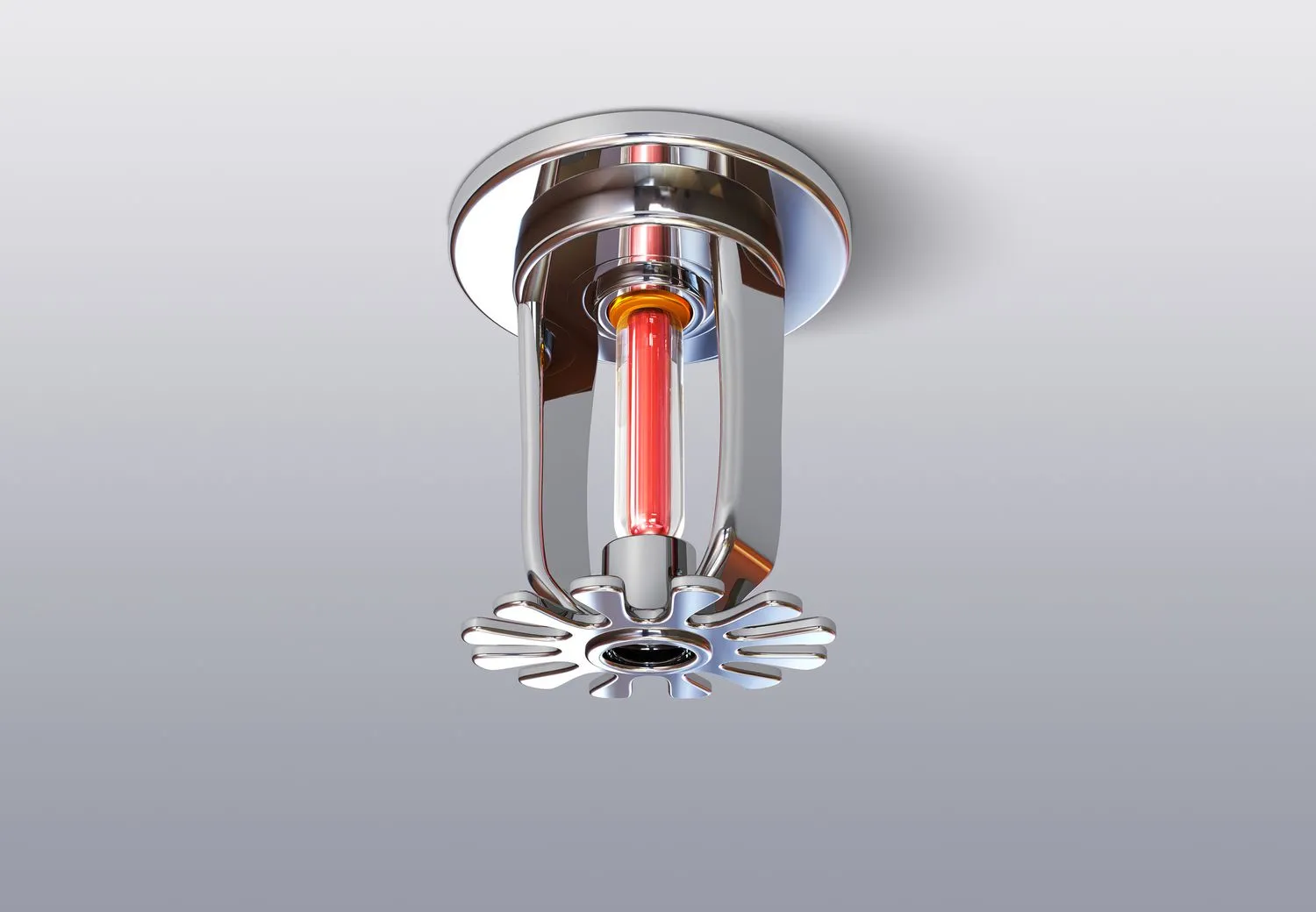
An automatic sprinkler system is a network of pipes, valves, sprinkler heads, water supply equipment, and control components designed to discharge water when heat activates one or more sprinkler heads. Each sprinkler head contains a heat-sensitive element, often a glass bulb or fusible link, that activates at a specific temperature. When it operates, water is released only from the affected sprinkler head in most standard systems.
This point is often misunderstood. In many systems, all sprinklers do not activate at once. Instead, the sprinkler closest to the fire opens when the required temperature is reached. This focused response helps control the fire early while limiting unnecessary water discharge in unaffected areas.
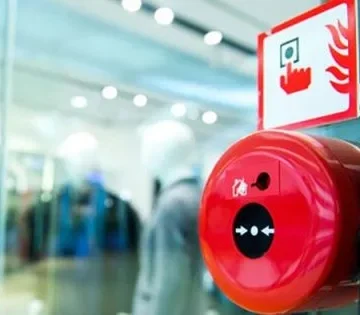
The system works as part of a larger fire suppression system strategy. Fire alarms notify occupants and building teams, fire-rated construction helps contain spread, and sprinklers actively apply water to control the fire. When these systems are planned together, the building has a stronger and more practical safety framework.
Why Sprinklers Matter in Real Emergencies
In a real fire, time is the most valuable resource. A small flame can grow quickly when fuel, oxygen, and heat combine. An automatic sprinkler system helps reduce that growth by applying water early, often before Civil Defense teams arrive. This early control can reduce heat, smoke, flame spread, and structural damage.
The system also supports evacuation. By controlling the fire near its source, sprinklers can help keep corridors, exits, and protected areas safer for longer. This is especially important in high-occupancy buildings such as malls, schools, hotels, hospitals, offices, and residential towers.
DARS treats sprinkler systems as part of a complete life safety strategy, not a single mechanical package. Through its safety and security systems services, the company looks at the full connection between detection, suppression, evacuation, Civil Defense requirements, and long-term system readiness.
Why It Is Called an Active Fire Protection System
A sprinkler system is considered active because it responds to fire conditions and performs a direct action: releasing water. Passive protection slows fire through walls, doors, and rated barriers, while active systems detect, notify, control, or suppress the fire. Both are necessary, but they do different jobs.
How Automatic Sprinkler Systems Fit Saudi Fire Safety Requirements
The Role of SBC 801
In Saudi Arabia, sprinkler systems are guided by the wider fire protection framework of the Saudi Building Code Fire Code SBC 801. The code supports life safety and property protection by defining fire protection requirements based on building use, occupancy, risk level, size, height, and operational conditions.
This means a sprinkler system cannot be selected from a catalogue without understanding the project. A warehouse, hotel, car park, clinic, office tower, and industrial facility may all require different design assumptions. The system must match the building’s hazard classification, water demand, pipe layout, pump capacity, and authority approval requirements.
DARS’s approach begins with this context. The right question is not simply “Does the building need sprinklers?” The better question is: what type of system does this building need, how should it be designed, and what documentation will support approval through the correct channels?
NFPA 13 as a Core Reference
The NFPA 13 standards are widely recognized for the design and installation of sprinkler systems. They address system design methods, installation practices, and component requirements that help sprinkler systems perform reliably in real fire conditions.
For project owners, this matters because a sprinkler layout must be based on hydraulic performance, occupancy hazard, spacing, coverage, water supply, and component compatibility. A design that only places sprinkler heads visually on a reflected ceiling plan is not enough. It must prove that water can reach the required points at the required pressure and flow.
This is why a professional sprinkler system design should include engineering drawings, hydraulic calculations, material specifications, and coordination with architectural, mechanical, and electrical systems. The sprinkler network must work inside the real building, not only on a conceptual drawing.
Why Generic Layouts Create Approval Problems
A generic sprinkler layout may look acceptable at first glance, but it can fail when reviewed against code requirements or site conditions. Ceiling height, beam depth, obstructions, room use, pipe routing, and water supply all affect system performance. This is where professional engineering becomes essential.
When Is an Automatic Sprinkler System Required?
Buildings with Higher Occupancy or Fire Risk
Automatic sprinkler systems are often required in buildings where the number of occupants, size of the structure, height, or hazard level increases fire risk. This can include high-rise buildings, large commercial spaces, warehouses, shopping centers, hospitals, schools, hotels, parking structures, and industrial facilities.
The decision depends on the building classification and the applicable fire code requirements. In Saudi projects, the approval path may also involve documentation through the Saudi Civil Defense Safety Portal or the Salamah portal, where safety licensing and related processes are managed electronically.
Because every project is different, DARS does not recommend assuming the same sprinkler solution for every building. The system must be reviewed against the project’s layout, use, hazard level, and Civil Defense expectations. Early assessment helps avoid redesign, delayed inspections, and costly corrective work.
Commercial and Industrial Facilities
A commercial fire suppression system must often support more than basic fire control. In malls, factories, logistics warehouses, and production spaces, the system may need to protect high-value assets, combustible materials, equipment, storage racks, or operational zones with different risk levels.
In these facilities, sprinkler design often becomes more technical. Storage height, commodity type, ceiling construction, aisle width, ventilation, and water supply can all affect the system. A simple office-style sprinkler layout may not be suitable for a warehouse or industrial workshop.
For this reason, the design team must classify hazards correctly before selecting pipe sizes, sprinkler head types, system water demand, and pump requirements. When this step is rushed, the final system may be under-designed or difficult to approve.
Main Types of Automatic Sprinkler Systems
Wet Pipe Sprinkler System
A wet pipe sprinkler system is the most common type used in many buildings. Its pipes are filled with pressurized water, ready to discharge as soon as a sprinkler head activates. Because of its simplicity and reliability, it is often used in offices, residential buildings, hotels, schools, retail spaces, and other climate-controlled interiors.
The main advantage of a wet pipe system is its fast response. Since water is already inside the pipes, there is no delay caused by air release or pre-action control. It also tends to be simpler to maintain compared with more specialized systems, provided the building environment is suitable.
However, it is not always the right choice. Areas exposed to freezing risk, special operational hazards, or sensitive assets may require a different system type. In Saudi Arabia, freezing may be less of a concern in many regions, but unconditioned industrial spaces, special hazards, and operational sensitivity can still influence the system choice.
Dry Pipe Sprinkler System
A dry pipe sprinkler system uses pressurized air or nitrogen in the piping instead of water. When a sprinkler head activates, the pressure drops, the dry pipe valve opens, and water enters the piping network before discharging through the open sprinkler.
This type is generally used where water-filled pipes may not be suitable. In some projects, this can include unconditioned spaces, special storage areas, or environments where standing water in pipes creates operational concerns. The system is more complex than a wet pipe system and requires careful design, installation, and maintenance.
A dry pipe system may solve a specific problem, but it also introduces additional components and response considerations. Therefore, it should be selected for a clear technical reason, not simply because it sounds more advanced.
Pre-Action and Deluge Systems
Pre-action and deluge systems are used for more specialized risks. Pre-action systems are often considered for areas where accidental water discharge must be carefully controlled, such as data centers, museums, archives, or high-value technical rooms. Deluge systems are used for intense hazards where rapid, wide-area water discharge may be required.
Core Components of a Sprinkler System
Sprinkler Heads and Temperature Ratings
Sprinkler heads are the visible part of the system, but they are only one part of the complete network. They are selected based on temperature rating, response type, spray pattern, hazard classification, ceiling conditions, and architectural constraints. The wrong sprinkler head can affect coverage, timing, and system performance.
In hot climates, temperature ratings must be selected carefully. A sprinkler head should not activate because of normal ambient heat, but it must operate reliably when fire conditions occur. This makes design review important, especially in mechanical rooms, kitchens, industrial areas, skylit spaces, or locations with elevated heat.
Product quality also matters. Major components should be traceable and supported by suitable certification or listing where required. References such as UL Solutions and SASO can support product credibility and compliance review when applicable to the project.
Pipes, Valves, and Flow Control
The piping network carries water from the supply source to the sprinkler heads. Pipe material, diameter, routing, support spacing, corrosion protection, and valve arrangement all affect system reliability. The proposal and design should identify these details clearly before installation begins.
Valves are equally important. Control valves, alarm check valves, test and drain assemblies, flow switches, tamper switches, and zone valves allow the system to be monitored, isolated, tested, and maintained. If these components are missing, poorly installed, or not supervised, the system becomes harder to manage after handover.
Hydraulic Calculations and Why They Matter
Why Sprinkler Design Cannot Rely on Guesswork
After the sprinkler heads, pipes, valves, and flow-control components are identified, the next critical layer is hydraulic calculation. This is where sprinkler system design moves from a layout drawing into real engineering proof. The calculation shows whether the system can deliver enough water, at the correct pressure, to the most demanding area of the building during a fire.
This matters because water does not behave equally across every point in the network. A sprinkler head near the pump room is not the same as a sprinkler head at the farthest point of the building, especially in large commercial properties, warehouses, towers, or parking structures. Pipe length, elevation, fittings, friction loss, and available water supply all affect final performance.
For DARS, hydraulic calculations are not paperwork created for approval only. They are a protection tool. If the calculation is weak or based on assumptions, the installed system may look complete but fail to deliver the required flow during an actual emergency. That is why proper calculations are essential for both fire safety compliance and real-world system reliability.
The Hydraulically Remote Area
In sprinkler engineering, the hydraulically remote area is the most difficult area for water to reach with the required pressure and flow. It is usually far from the water source, high in elevation, or affected by pipe routing and friction losses. If the system can protect this area, it is more likely to perform correctly across the rest of the building.
A professional design does not simply count sprinkler heads. It calculates demand based on the hazard level, protected area, water density, pipe network, and available supply. This is why generic pipe sizing can create serious approval and performance problems. A system that looks acceptable on paper may not meet demand once the calculation is tested.
DARS’s approach is to treat hydraulic calculations as a bridge between code compliance and practical protection. The design must satisfy engineering review, support Civil Defense approval, and give the client confidence that the system has been planned for the building’s actual conditions.
Why Changes on Site Can Break the Calculation
Any unapproved change in pipe routing, pipe diameter, sprinkler position, or protected use can affect the hydraulic result. This is why site teams must avoid making informal changes after drawings are approved. Even small routing changes can alter friction loss and invalidate the assumptions behind the calculation.
The Fire Pump System and Water Supply
Why the Fire Pump Is the Heart of the Network
A sprinkler system needs a dependable water supply. In many buildings, the municipal supply alone may not provide the pressure and flow required for the system, especially in larger projects. This is where the fire pump system becomes essential. It boosts water pressure and helps deliver the required demand to sprinkler heads, hose reels, standpipes, or other connected fire protection systems.
A complete pump arrangement may include an electric fire pump, a diesel fire pump, a jockey pump, controllers, test headers, valves, gauges, and dedicated water storage. Each component has a specific role. The main pump handles fire demand, while the jockey pump maintains pressure during minor pressure drops so the main pump does not start unnecessarily.
Designing the fire pump is not just a mechanical decision. It must match the calculated system demand, site water supply, building height, and authority requirements. If the pump is undersized, the sprinkler system may not receive enough pressure. If it is poorly installed or not tested, it may fail when needed most.
Electric, Diesel, and Jockey Pumps
Electric fire pumps are commonly used where reliable power supply is available and supported by the project’s electrical design. Diesel fire pumps provide an independent backup source in many projects, especially where system reliability is critical. The jockey pump, although smaller, plays a very important role by maintaining normal pressure and reducing unnecessary starts of the main pump.
A proper proposal or design should explain how the pump selection supports the overall fire suppression system. It should also clarify whether the scope includes pump supply, installation, alignment, testing, controller integration, power connections, fuel arrangements for diesel pumps, and coordination with the fire alarm system.
The NFPA 20 standard is a key reference for stationary fire pumps. In practical terms, this means the pump room cannot be treated as a secondary space. It needs proper layout, access, ventilation, drainage, testing provisions, and coordination with civil, mechanical, and electrical teams.
Pump Room Planning
A pump room should allow inspection, testing, operation, and maintenance without obstruction. If access is poor or valves are installed in difficult positions, the system becomes harder to maintain after handover. Good pump room planning supports both emergency readiness and long-term operation.
Civil Defense Approval and the Salamah Process
Why Approval Starts Before Installation
Approval should never be treated as the last step. In Saudi projects, the path to approval begins during design, continues through material selection and installation, and finishes with testing, commissioning, and documentation. This is why sprinkler system planning must consider the Saudi Building Code, Civil Defense requirements, and the project’s licensing path from the start.
The Saudi Civil Defense Safety Portal supports safety licensing services for establishments, while Salamah is widely used for Civil Defense-related electronic services. This makes documentation and contractor readiness especially important. A system may be physically installed, but if its documents are incomplete, the project can still face delays.
DARS’s experience shows that successful approval depends on alignment between drawings, hydraulic calculations, product submittals, installation quality, and as-built records. If these elements do not match, inspection comments become more likely. The cleaner the documentation trail, the smoother the approval process becomes.
Material Submittals and Product Certification
Material submittals are a key part of approval readiness. They show the sprinkler heads, valves, pipes, fittings, pumps, switches, gauges, and related components proposed for the project. These documents help consultants and reviewers confirm that the materials are suitable for the intended system.
Product certification and listing may also be required depending on project expectations and authority review. Recognized organizations such as UL Solutions and SASO are often relevant when reviewing product credibility and compliance documentation. The goal is to avoid installing components that cannot be accepted or properly supported later.
This is why DARS treats procurement as a technical step, not just a purchasing task. The cheapest component can become expensive if it delays approval, lacks proper documentation, or creates maintenance challenges after handover.
As-Built Drawings and Site Reality
As-built drawings should reflect what was actually installed, not what was originally intended. If pipe routes, valve locations, or sprinkler positions change during construction, those updates must be documented. Without accurate as-built drawings, maintenance teams may struggle to isolate zones, locate valves, or troubleshoot faults later.
Fire Sprinkler Installation Quality
Why Installation Quality Determines Real Performance
Even the best design can fail if installation is poor. Fire sprinkler installation requires disciplined execution, correct materials, proper pipe support, accurate sprinkler spacing, valve accessibility, and clean coordination with other systems. A sprinkler head installed too close to an obstruction, a pipe routed without regard to approved drawings, or a valve left unsupervised can weaken the system.
Installation quality affects both inspection and emergency performance. During inspection, obvious issues such as blocked sprinkler heads, incorrect pipe supports, missing signs, inaccessible valves, or unverified flow switches can create comments. During a real fire, the same issues can reduce system effectiveness when the building needs it most.
DARS focuses on installation as part of a complete quality chain. Design, procurement, site execution, testing, and handover must support each other. If one stage is weak, the entire system becomes harder to approve and maintain.
Coordination with Architecture and MEP Works
Sprinkler installation does not happen in isolation. It must coordinate with ceilings, lighting, HVAC ducts, cable trays, structural beams, access panels, partitions, and interior finishes. If coordination is delayed, sprinklers may end up too close to obstructions or may need relocation after installation.
This is especially important in commercial interiors, hotels, malls, hospitals, and offices with complex ceiling layouts. The final sprinkler head position must protect the space properly while also fitting within the architectural design. When coordination is done early, the system can achieve both safety and clean visual integration.
The same applies to mechanical and electrical systems. Flow switches may need to report to the fire alarm panel, tamper switches must be monitored, pumps may need status signals, and waterflow alarms must be integrated. These connections should be planned before commissioning, not discovered during final inspection.
The Risk of Informal Site Changes
Informal site changes are one of the most common reasons sprinkler projects face problems. A pipe route may be shifted to avoid a duct, a sprinkler may be moved to fit a ceiling pattern, or a valve may be relocated for convenience. If these changes are not reviewed, they can affect coverage, hydraulics, and approval.
Wet Pipe, Dry Pipe, and Special System Selection
Matching System Type to Building Conditions
A wet pipe sprinkler system may be the best option for conditioned spaces where water-filled pipes are safe and reliable. It is simple, fast, and widely used because it keeps water ready inside the network.
A dry pipe sprinkler system, on the other hand, may be selected where filled pipes are not suitable. Because it uses pressurized air or nitrogen before water enters the piping, it requires additional valves, controls, and maintenance considerations. It is useful in specific conditions, but it should not be selected without a clear engineering reason.
Pre-action and deluge systems require even more careful review. These systems are often used in sensitive or high-risk areas where accidental discharge, rapid fire spread, or special hazards must be managed differently. The proposal and design must explain why the selected system is appropriate for that space.
Hazard Classification and Occupancy Use
The protected use of the space determines the design direction. Light hazard occupancies, ordinary hazard occupancies, and extra hazard occupancies require different assumptions. A hotel corridor, a retail store, a car park, and a chemical storage area cannot be treated the same way.
This is where early risk classification becomes important. If the building use changes after design, the sprinkler system may need to be reviewed again. For example, a storage room that later holds higher-risk materials may require different protection than originally planned.
DARS helps clients avoid this issue by looking beyond the drawing title. The real question is how the space will be used, what materials will be stored, how people will move through it, and what level of fire protection the building needs. The next stage is ensuring the completed system remains reliable through testing, handover, and ongoing maintenance.
Testing and Commissioning an Automatic Sprinkler System
Why Testing Proves the System Is Ready
After installation, the automatic sprinkler system must be tested before it can be considered reliable. Testing is the stage where the project team confirms that the installed network matches the approved design, the valves are accessible, the pipes are correctly routed, the sprinkler heads are unobstructed, and the water supply can support the required demand. Without this step, the system may look complete but still fail to perform as intended.
Commissioning is especially important because sprinkler systems depend on pressure, flow, monitoring, and mechanical readiness. A small installation defect can affect a large part of the network. For example, a closed control valve, a missing tamper switch, a weak pump response, or an incorrectly connected flow switch can create serious safety gaps. This is why DARS treats commissioning as a protection stage, not just a formality before handover.
A professional testing process should also confirm that the sprinkler system communicates correctly with the fire alarm system. When water starts flowing, the building team should receive the correct signal, the alarm should respond as designed, and any linked emergency actions should work as expected. This connection between water-based suppression and fire alarm monitoring is what turns separate components into a working life safety system.
Flow Testing and Pressure Verification
Flow testing confirms that water can move through the system at the required rate. Pressure verification confirms that the water reaches the protected area with enough force to discharge properly through the sprinkler heads.
In larger facilities, testing may also involve the fire pump system, test headers, zone control valves, flow switches, and alarm check valves. Each of these components plays a role in system readiness. If one part fails, the sprinkler system may not deliver the expected performance during a real fire.
This is why DARS emphasizes documented testing. The client should not only hear that the system was tested. They should receive clear records showing what was tested, when it was tested, who witnessed it, and what the results were. Good records support approval, future maintenance, and facility management.
Why Final Testing Should Not Be Rushed
Final testing is often pushed near project deadlines, but rushing it can create avoidable delays. If issues appear during inspection, the project may require corrective work, re-testing, and updated documentation. A better approach is to test progressively during installation, then perform final commissioning with fewer surprises.
Handover Documentation and Operational Readiness
What the Client Should Receive at Handover
A compliant sprinkler project should end with more than a completed installation. The client should receive documents that explain what was installed and how it should be operated, inspected, and maintained. These documents are important for facility managers, safety officers, consultants, insurers, and authority reviews.
A strong handover package should include approved drawings, as-built drawings, hydraulic calculations, material submittals, test reports, pump data, valve charts, operation manuals, warranty details, and maintenance recommendations. These records help the building team understand the system and respond correctly when inspections, faults, or future modifications occur.
A sprinkler system may be installed correctly on day one, but the building still needs clear documents and trained people to keep it reliable after occupancy. This is where many projects lose value, because the system is physically present but poorly understood by the team responsible for it.
Facility Team Training
Training helps the facility team understand how to identify valve positions, read pump status, respond to sprinkler activation, report faults, and avoid unsafe practices. The goal is not to turn facility staff into sprinkler engineers. The goal is to give them enough knowledge to protect the system and call the right support when needed.
This is especially important in commercial, industrial, and high-occupancy buildings. If staff members close a valve without reporting it, block sprinkler heads with storage, ignore pressure drops, or fail to report pump faults, the system’s readiness can decline quickly. Simple training can prevent these problems before they become inspection failures or emergency risks.
A well-prepared facility team also helps with future audits and renewals. When the team understands the system, documentation becomes easier, maintenance visits become more productive, and Civil Defense readiness becomes more consistent.
The Value of Accurate As-Built Drawings
As-built drawings are essential because they show the real installed system. If the pipe route changed, if a valve was relocated, or if sprinkler heads were adjusted due to ceiling coordination, these changes must be reflected. Without accurate as-builts, future maintenance becomes slower and riskier.
Sprinkler System Maintenance and Long-Term Reliability
Why Maintenance Is Part of Compliance
A sprinkler system cannot be installed and forgotten. Regular sprinkler system maintenance is necessary to ensure the system remains ready throughout the building’s life. Water-based fire protection systems include mechanical, electrical, and monitoring components, and each can degrade or fail if ignored.
Maintenance should include inspection of valves, sprinkler heads, pipe condition, water pressure, pump readiness, flow switches, tamper switches, gauges, alarm interfaces, and visible obstructions. It should also include checking whether building use has changed in a way that affects hazard classification or sprinkler coverage. A storage room that becomes a high-load archive or a retail area converted into a kitchen may require design review.
The NFPA 25 standard is an important reference for inspection, testing, and maintenance of water-based fire protection systems. For building owners, the principle is simple: the system must remain functional, not just installed. Maintenance is what keeps the system ready after months and years of operation.
Maintenance and Salamah Readiness
In Saudi Arabia, maintenance also supports licensing and Civil Defense readiness. The Saudi Civil Defense safety services connect fire safety systems with establishment licensing, while Salamah supports electronic safety-related processes. This makes ongoing maintenance an operational requirement, not just a technical best practice.
A building with neglected sprinkler systems may face problems during renewal, inspection, or incident response. Closed valves, missing signs, blocked sprinkler heads, untested pumps, or poor documentation can create serious concerns. These issues are easier to prevent through scheduled maintenance than to correct under pressure before an inspection.
DARS supports this by treating maintenance as a continuation of installation quality. The same company that understands the system’s design and site conditions is often better positioned to maintain it properly, identify changes, and recommend corrective action before problems grow.
Common Mistakes That Lead to Inspection Problems
Unapproved Site Changes
One of the most common reasons sprinkler systems face inspection issues is unapproved site modification. A pipe may be rerouted to avoid a duct, a sprinkler head may be shifted to suit a ceiling pattern, or a valve may be moved to a more convenient location. If these changes are not reviewed and documented, they may affect coverage, hydraulics, and approval records.
This is a serious issue because sprinkler systems are not decorative layouts. Every pipe size, route, head spacing, and hazard assumption contributes to performance. If the installed system no longer matches the approved drawings and calculations, the project team may need to update documents and re-check the design.
DARS’s recommendation is to control changes through a formal review process. Site coordination is normal, but safety-critical changes should be approved, documented, and reflected in as-built drawings.
Obstructions and Poor Housekeeping
Another common problem appears after occupancy. Storage may be stacked too close to sprinkler heads, ceiling works may block spray patterns, or decorations may interfere with coverage. These issues can reduce the effectiveness of the system even if the original installation was correct.
Facility managers should treat sprinkler clearance as part of daily safety management. It is not enough to check the system during annual maintenance only. When tenants, storage layouts, or interiors change, the sprinkler system should be reviewed to confirm that protection is still valid.
DARS’s Role in Sprinkler System Projects
From Design Support to Site Execution
DARS helps clients approach sprinkler systems as complete fire protection solutions. This begins with understanding the building, reviewing the risk level, supporting compliant sprinkler system design, coordinating installation, and preparing the system for inspection and handover. The goal is not only to install pipes and heads, but to deliver a system that supports approval and long-term safety.
Through its safety and security systems services, DARS works with clients who need practical, code-aware solutions for commercial, residential, and industrial projects. Its role is especially valuable when a project requires coordination between fire alarm systems, fire pumps, sprinkler zones, Civil Defense requirements, and maintenance planning.
Clients can also review DARS’s project experience to understand how safety systems are applied across real building environments. For project-specific support, the contact page gives building owners and contractors a direct way to discuss sprinkler requirements before problems appear on site.
Supporting Safety After Handover
A sprinkler system remains valuable only when it remains ready. DARS’s approach extends beyond installation into inspection support, maintenance planning, and practical recommendations for facility teams. This helps buildings maintain compliance and reduce the risk of system failure over time.
The company also encourages clients to stay informed through DARS’s articles section, where safety topics can help owners, contractors, and facility teams make better decisions. In fire protection, knowledge is not a luxury. It often prevents costly mistakes.
Conclusion: A Sprinkler System Is a Long-Term Safety Asset
The Right System Protects More Than Property
An automatic sprinkler system is one of the most effective ways to control fire early, reduce damage, and support safe evacuation. But its effectiveness depends on proper design, correct installation, reliable water supply, accurate hydraulic calculations, careful commissioning, and ongoing maintenance.
In Saudi Arabia, the system also plays an important role in fire safety compliance. Requirements linked to SBC 801, NFPA 13 standards, Civil Defense expectations, and Salamah readiness mean that sprinkler systems must be treated as regulated life safety assets, not simple mechanical installations.
DARS’s recommendation is clear: plan the system early, choose the right type, document every change, test it properly, and maintain it consistently. When these steps come together, the sprinkler system becomes more than a network of pipes. It becomes a dependable layer of protection for people, property, and business continuity.