
Why a Fire Alarm Proposal Is More Than a Price Document
A fire alarm system installation proposal is not just a quotation with devices, cables, and labor costs. In a regulated market like Saudi Arabia, it works as a technical roadmap for life safety, Civil Defense approval, and long-term facility readiness. When written properly, it explains what will be installed, why it is suitable for the building, how it meets code requirements, and what the client should expect from design to handover.
For DARS, a strong proposal is built around clarity. The client should not have to guess whether the system is conventional or addressable, whether the devices are listed, whether testing is included, or whether the contractor will support documentation through Salamah. A professional proposal removes uncertainty before the project starts, which is especially important for commercial buildings, warehouses, residential towers, clinics, schools, and hospitality projects.
In Saudi Arabia, this matters even more because fire protection is closely tied to licensing, inspections, and operational approval. The Saudi Building Code Fire Code SBC 801 sets the wider fire safety framework for protecting lives and property, while the Salamah portal is used for issuing and renewing Civil Defense licenses electronically. A weak proposal can lead to unclear scope, delayed approvals, repeated revisions, and unexpected costs during installation.
What Is a Fire Alarm System Installation Proposal?
A Technical and Commercial Scope in One Document
A fire alarm installation proposal is a document that explains the system design, project scope, material specifications, installation method, testing process, handover requirements, and cost structure. It should help the client understand exactly what is included and what is not included. It should also give consultants, facility managers, and decision-makers enough technical detail to evaluate whether the proposed system is compliant and suitable.
A good proposal should connect the building’s risk profile to the selected fire detection system. A small retail unit may require a different approach than a multi-floor office building or an industrial warehouse. The proposal should show that the contractor understands the property type, occupancy, Civil Defense requirements, and operational needs, not just the number of detectors on a floor plan.
This is where DARS’s role as an experienced safety contractor becomes important. A proposal should not be written like a product list. It should read like a project plan that protects the client from missing items, unclear responsibilities, and failed inspections later. The stronger the proposal, the easier it becomes to move from approval to installation, testing, and maintenance.
Why Proposal Quality Affects Approval
A proposal that lacks technical detail can create problems before installation even begins. If the fire alarm design is not clearly described, the client may approve a lower-cost option without realizing it excludes shop drawings, programming, cause-and-effect logic, containment, testing, or documentation. These missing items often appear later as variation costs or inspection comments.
Fire alarm systems are not isolated devices. They interact with elevators, HVAC systems, access control, fire doors, smoke management systems, and sometimes emergency voice evacuation systems. A compliant proposal should explain these interfaces clearly, especially in commercial or high-rise projects where system integration affects life safety.
The NFPA 72 National Fire Alarm and Signaling Code is widely referenced for fire alarm, signaling, and emergency communications provisions. A proposal that considers such standards from the start is more likely to reflect proper system intent, not just basic device placement.
The Real Purpose of the Proposal
The real purpose of a fire alarm proposal is to give the client a complete picture before committing money. It should answer what system is needed, how it will be installed, how compliance will be handled, and what long-term support will be available after handover.
Core Components of a Compliant Proposal
Executive Summary and Project Scope
The executive summary should briefly explain the project type, location, building use, and the proposed fire alarm solution. It should mention whether the project is a new installation, replacement, upgrade, or rectification of an existing system. This gives decision-makers a quick understanding of the project before they review the detailed technical scope.
The project scope should be specific. It should state whether the contractor is responsible for supply only, installation only, or full supply, installation, testing, commissioning, and documentation. For a complete fire alarm installation, the proposal should normally address engineering, material supply, containment, wiring, device installation, panel programming, testing, commissioning, client training, and handover documents.
This section should also define exclusions. If civil works, ceiling access panels, power supply provision, or authority fees are not included, they should be stated clearly. Hidden exclusions are one of the fastest ways to damage trust during a safety project, especially when the client assumes the proposal covers everything required for Civil Defense readiness.
Technical Specifications and System Description
The technical section should describe the selected system type, main control panel, detectors, manual call points, sounders, strobes, modules, interfaces, cables, conduits, batteries, and software requirements. It should also explain why the chosen system fits the building. This helps the client see that the proposal is based on engineering logic, not only price.
For example, a commercial fire alarm system in a large building often benefits from an addressable system because it can identify the exact device or zone in alarm. This makes response faster and troubleshooting easier. A smaller facility may use a conventional system if the risk level, building size, and authority requirements allow it. The proposal should justify the choice rather than assume the client already understands the difference.
The proposal should also identify applicable compliance references, such as SBC requirements, Civil Defense expectations, and recognized international standards. Proposed products should be listed with brand, model, listing status, country of origin when relevant, and approval documentation. Where product compliance matters, references to recognized organizations such as UL Solutions or SASO can strengthen the proposal’s credibility.
Why Brand Names Alone Are Not Enough
Mentioning a famous brand does not automatically make a proposal compliant. The device model, listing, compatibility with the panel, environmental suitability, and approval documents all matter. A professional proposal should make these details easy to verify.
Conventional vs Addressable Fire Alarm Systems
When a Conventional System May Be Suitable
A conventional fire alarm system divides the building into zones. When an alarm occurs, the panel identifies the affected zone, but not always the exact device. This can be suitable for smaller buildings where the layout is simple and the response team can quickly identify the source of alarm.
In a proposal, this option may be presented when cost efficiency is important and the project scale is limited. However, the contractor should still explain its limitations. If the building is large, multi-level, or operationally complex, a conventional system may slow down response because it provides less precise location information.
DARS’s approach is to avoid proposing a system just because it is cheaper. The right system should match the building’s risk, use, and approval path. A lower initial price can become more expensive later if the system fails to meet the project’s actual requirements.
When an Addressable System Is the Better Choice
An addressable system identifies individual devices, making it more suitable for larger commercial buildings, high-rises, hotels, hospitals, schools, warehouses, and mixed-use developments. It allows the fire alarm control panel to show the exact detector, call point, or module that triggered the event. This improves response, maintenance, and fault tracking.
A strong proposal should explain why an addressable system may be required or recommended. It should describe loop capacity, device addressing, fault isolation, control modules, monitor modules, and system expansion options. This shows that the contractor is thinking beyond installation and considering long-term operation.
For clients comparing proposals, this section is important because two quotations may look similar in price but offer very different capabilities. One may include proper addressing, integration, and programming, while another may offer only basic installation. The proposal should make that difference clear before the client signs.
Fire Alarm Design and Engineering Drawings
Why Design Comes Before Installation
A reliable fire alarm design begins with understanding the building. The contractor should review drawings, occupancy type, ceiling heights, room functions, ventilation, access routes, and special risk areas. Without this, device placement can become inaccurate, and the system may fail to detect a fire early enough or may create nuisance alarms.
The proposal should state whether design drawings, shop drawings, and as-built drawings are included. Shop drawings are particularly important because they show device locations, cable routes, panel positions, loop wiring, interface points, and installation details. These drawings help consultants review the system before work begins and help installers avoid guesswork on site.
In Saudi projects, drawing approval and documentation are part of the compliance process. A proposal that ignores engineering drawings is incomplete, even if the material list looks strong. The client needs to know who will prepare the drawings, who will review them, and whether revisions are included.
Cause-and-Effect Matrix
The cause-and-effect matrix is one of the most important parts of a professional fire alarm proposal. It explains what happens when the system detects smoke, heat, manual activation, or a fault. For example, an alarm may trigger sounders, release magnetic locks, recall elevators, shut down air handling units, close fire doors, or activate smoke control equipment.
This matrix matters because a fire alarm system does not only warn people. It can also control building systems that affect smoke movement and evacuation. If these relationships are not defined early, commissioning becomes difficult and authority inspections may identify missing interfaces.
A strong proposal should either include a preliminary cause-and-effect matrix or clearly state that one will be developed during the engineering stage. This gives the client confidence that the contractor understands system integration, not just device installation.
Integration Is Where Many Proposals Fail
Many weak proposals include detectors and panels but ignore integration. This creates a gap between a working fire alarm panel and a compliant life safety system. For DARS, integration is not an optional detail; it is part of responsible fire safety compliance.
Bill of Quantities and Fire Alarm Cost Estimate
Why the BOQ Should Be More Than a Material List
After the proposal defines the system design and integration logic, the next critical section is the Bill of Quantities. A BOQ should not be treated as a simple shopping list of panels, detectors, cables, and accessories. In a proper fire alarm system installation proposal, it should help the client understand the full technical and commercial scope behind the price.
A clear BOQ separates system hardware from cabling, containment, labor, programming, testing, and documentation. This matters because two proposals may appear similar at first glance, but one may include engineering drawings, loop programming, testing, as-built drawings, and Salamah support, while the other may only cover device installation. Without this breakdown, the client may choose a lower number and face additional costs later.
For DARS, a professional BOQ protects both sides. It helps the client compare proposals fairly, and it helps the contractor avoid disputes about what was included. A well-structured BOQ also gives consultants and procurement teams enough detail to assess whether the materials match the building’s required level of fire safety compliance.
What Should Be Included in a Fire Alarm BOQ?
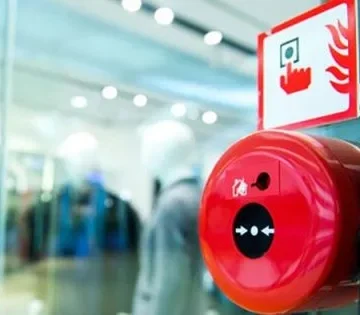
The BOQ should include all major equipment needed for the system to function properly. This includes the fire alarm control panel, smoke detectors, heat detectors, manual call points, sounders, strobes, input-output modules, isolator modules, batteries, cables, conduits, junction boxes, back boxes, and any interface equipment required for elevators, HVAC, access control, or smoke management systems.
It should also mention whether supply, installation, testing, programming, labeling, and commissioning are included for each item. This level of detail is important because many cost disputes happen when a material item is included, but the labor or programming required to make it work is not clearly stated. A strong proposal avoids that gap from the start.
The fire alarm cost estimate should also account for site conditions. A warehouse with exposed ceilings is different from a finished office with gypsum ceilings and limited access. A hospital, hotel, or school may require more careful work sequencing, after-hours installation, or additional coordination with facility operations. These conditions should be reflected in the proposal instead of being treated as unexpected site challenges later.
Avoiding Hidden Costs
Hidden costs usually appear when the proposal is too general. If containment is excluded, cabling length is estimated without site verification, authority documentation is not included, or integration is priced separately, the final project cost can increase significantly. A transparent proposal should make these limits clear before the client approves the work.
Compliance with Saudi Civil Defense and Salamah Requirements
Why Compliance Must Be Built Into the Proposal
In Saudi Arabia, fire alarm work cannot be planned only from a technical perspective. The proposal must also consider Civil Defense expectations, licensing requirements, the building’s use, and the approval process through the Salamah portal. This is why a compliant proposal should clearly state how the contractor will support the project’s approval path, not only how the system will be installed.
A strong proposal should reference the wider fire safety framework, including the Saudi Building Code Fire Code SBC 801, where relevant to the building type and project scope. The purpose is not to overload the client with code language, but to show that the system is being proposed within the correct regulatory context.
This is especially important for commercial buildings, warehouses, clinics, schools, hotels, and mixed-use properties. In these spaces, incomplete fire alarm documentation can delay approvals, affect occupancy readiness, or create additional revision cycles with consultants and authorities. The proposal should reduce that risk by explaining the contractor’s compliance responsibilities clearly.
Contractor Credentials and Approval Readiness
A professional proposal should include the contractor’s relevant credentials, such as commercial registration, Civil Defense license status where applicable, engineering capability, and experience with similar project types. The client needs to know that the contractor is qualified to deliver the system and support the approval process.
This does not mean adding generic company claims. The proposal should connect credentials to project delivery. For example, if the contractor will prepare shop drawings, perform testing, submit commissioning records, or support Salamah documentation, those responsibilities should be stated in plain language.
DARS’s view is simple: a fire alarm contractor should not only install devices. A certified fire alarm contractor should understand documentation, inspection readiness, system integration, and post-handover support. This distinction is often what separates a smooth project from a delayed one.
Product Listings and Approvals
The proposal should also identify product listing and approval requirements. Devices may need recognized certifications such as UL Listing, FM Approval, SASO-related compliance, or other acceptable documentation depending on the project. The important point is that every major device should be traceable, compatible, and suitable for its intended use.
Material Specifications and Brand Selection
Why Device Quality Affects Long-Term Safety
A fire alarm system is expected to operate reliably for years. This means the proposal should not focus only on initial cost. It should also consider product reliability, service availability, spare parts, compatibility, and maintenance support. Choosing the wrong brand or model can make future repairs harder and increase downtime.
A strong proposal should identify the proposed fire alarm panel brand, detector types, notification devices, modules, and batteries. It should also explain whether the system is expandable, whether additional loops can be added, and whether replacement parts are available locally. These details help the client evaluate long-term value instead of only comparing upfront prices.
In a commercial property, downtime can create operational and compliance issues. If a panel fault cannot be repaired quickly because parts are not available, the facility may face safety concerns or licensing complications. This is why DARS treats brand selection as a technical decision, not just a procurement preference.
Cables, Conduits, and Containment
Fire alarm cabling and containment are often underestimated in proposals. Yet they are essential to system reliability. The proposal should identify cable types, conduit routes, protection methods, and installation standards. It should also clarify whether surface containment, concealed conduits, ceiling access, coring, or builders’ work are included.
The difference between a clean, compliant installation and a rushed one often appears in the containment. Poor cable routes, weak labeling, mixed circuits, or unprotected wiring can cause faults and make maintenance difficult. A professional fire alarm installation should be easy to inspect, test, and maintain after handover.
For DARS, containment is part of the system’s quality. A proposal that lists only detectors and panels but ignores cable protection is incomplete. The system may function on the first day, but long-term reliability depends on how well the hidden infrastructure was planned and installed.
Battery Backup and Power Requirements
The proposal should also explain battery backup and power supply assumptions. Fire alarm systems require standby power so they remain operational during power interruptions. The required capacity depends on system load, applicable standards, and project requirements.
System Integration and Cause-and-Effect Details
Why Integration Should Be Priced Clearly
The cause-and-effect matrix should not remain a technical note. It should be connected to pricing and scope. If the fire alarm system needs to interface with elevators, access control, smoke extract fans, fire doors, or HVAC shutdowns, the proposal should include the required modules, wiring, programming, testing, and coordination.
Many proposals fail because they price only the fire alarm devices and leave integration vague. Later, during commissioning, the client discovers that additional modules, relays, cabling, or programming are needed. This creates delays and unexpected costs. A strong proposal defines these interfaces early.
This is especially important in a commercial fire alarm system, where the alarm may trigger multiple safety actions at once. For example, one alarm event may activate sounders, send signals to a building management system, release access-controlled doors, recall elevators, and shut down selected air handling units. If this is not planned properly, the system may pass a basic device test but fail during full functional testing.
Coordination with Other Contractors
Fire alarm integration often depends on other trades. Elevator contractors, HVAC contractors, access control vendors, and fire door teams may all need to coordinate with the fire alarm contractor. The proposal should clarify what DARS will provide and what must be provided by others.
This prevents confusion during site work. If the fire alarm contractor provides the relay but the HVAC team must connect it to the air handling unit, that responsibility should be clear. If the access control system must release magnetic locks during fire alarm activation, both systems must be tested together before handover.
A good proposal makes these coordination points visible. It does not hide them in technical language. The goal is to protect the client from last-minute surprises and make sure every life safety interface works as intended.
Testing and Commissioning Scope
What Testing Should Be Included Before Handover
A compliant proposal should define testing and commissioning clearly. This includes checking device operation, loop continuity, cable insulation, panel programming, alarm signals, fault signals, sounder operation, battery performance, and cause-and-effect functions. Testing should confirm that the installed system matches the approved design.
The proposal should also clarify whether testing will be witnessed by the consultant, client, third party, or authority representative. This is important because a system that has been tested internally may still need formal witnessing before it is accepted. The more clearly this process is described, the fewer disputes appear near handover.
Testing is not only about proving that devices turn on. It is about confirming that the fire detection system performs correctly under realistic emergency conditions. The alarm must be detected, communicated, displayed, heard, and linked to the right building responses.
Documentation Before Final Approval
Commissioning documents should be part of the proposal, not an afterthought. The client should expect test sheets, device lists, as-built drawings, cause-and-effect records, panel programming details where applicable, product datasheets, certificates, and operation manuals. These documents support approval, facility management, and future maintenance.
The proposal should also state whether training is included. Facility teams need to know how to read alarms, silence sounders where permitted, reset the panel, identify faults, and contact maintenance support. Without training, even a well-installed system can become difficult to manage.
Handover, Warranty, and Long-Term Fire Alarm Maintenance
Why Handover Should Be Treated as a Safety Stage
After testing and commissioning, the proposal should move into handover. This is not just the moment when the contractor gives the client a folder and leaves the site. In a proper fire alarm system installation proposal, handover is the stage where the client receives the knowledge, documents, and system records needed to operate the building safely after approval.
A complete handover should include as-built drawings, device lists, panel configuration records where applicable, test sheets, product datasheets, warranty documents, operating manuals, and training records. These documents help the facility team understand what was installed, where devices are located, how the panel responds, and what to do when an alarm or fault appears.
DARS treats handover as part of fire safety compliance, because a system that is installed correctly but poorly handed over can still create confusion during operation. The fire alarm panel is not useful if the facility team does not understand its messages, fault indicators, silence procedures, reset process, or maintenance escalation path.
Warranty Should Be Clear, Not Implied
A professional proposal should clearly explain the warranty period, what it covers, what it excludes, and how the client can request support. Many clients assume that any issue after installation is automatically covered, but warranties usually depend on proper use, no unauthorized modifications, and regular maintenance. The proposal should make this clear from the beginning.
The warranty should also distinguish between product warranty and workmanship warranty. A device fault may be handled differently from an installation-related issue, especially if third-party damage, water exposure, ceiling works, or unauthorized wiring changes affect the system. Clear warranty language protects both the client and the contractor.
In Saudi projects, warranty is also connected to operational continuity. A building cannot treat a faulty fire detection system as a minor inconvenience. If the system is not working correctly, the facility may face safety risks, inspection concerns, or licensing complications. That is why warranty response procedures should be practical, not vague.
Training the Facility Team
Client training should be included in the proposal whenever the system is handed over to a facility, safety, or operations team. Training should explain how to read the fire alarm control panel, identify alarms and faults, silence alarms where permitted, reset the system after verification, and report maintenance issues.
Annual Maintenance Contracts and System Reliability
Fire Alarm Maintenance Is Not Optional in Practice
A fire alarm system is not a one-time installation. It is a life safety system that needs regular inspection, testing, cleaning, calibration checks where applicable, battery review, panel review, and fault correction. This is why fire alarm maintenance should appear in the proposal as either an included initial support period or a recommended Annual Maintenance Contract after the warranty stage.
Regular maintenance helps detect issues before they become critical. Dusty detectors, weak batteries, loose wiring, ground faults, disabled sounders, and communication failures can all affect system performance. These issues may not be visible to building users, but they can cause nuisance alarms, missed signals, or failed inspections.
The NFPA 72 National Fire Alarm and Signaling Code is widely used as a reference for inspection, testing, and maintenance expectations. A proposal that acknowledges maintenance from the beginning shows that the contractor is thinking beyond installation and considering the full life cycle of the system.
Maintenance Supports Salamah and Civil Defense Readiness
In Saudi Arabia, ongoing fire safety readiness is closely connected to licensing and inspection expectations through official channels such as the Salamah portal. If a building’s fire alarm system is poorly maintained, the issue may appear during inspection, renewal, or an emergency event. The cost of ignoring maintenance is often higher than the cost of a structured service plan.
A reliable maintenance program should include scheduled visits, device testing, panel checks, battery checks, fault rectification, documentation updates, and recommendations for system improvements. It should also identify whether spare parts are available locally and whether the contractor can respond quickly to urgent faults.
How to Evaluate a Fire Alarm Installation Proposal
Look Beyond the Lowest Price
Many clients compare proposals by looking first at the final amount. While cost matters, the lowest price is not always the safest or most economical choice. A cheaper proposal may exclude engineering drawings, authority support, programming, integration, containment, proper testing, or fire alarm maintenance. These missing items often return later as delays, variations, or compliance issues.
A strong proposal should make the scope easy to compare. It should show the system type, device quantities, brand details, compliance references, installation scope, integration responsibilities, documentation, testing, training, warranty, and maintenance options. If these items are missing or unclear, the client is not comparing equal offers.
For a commercial fire alarm system, the client should pay special attention to integration and commissioning. A proposal may include enough detectors and sounders but fail to include elevator recall, HVAC shutdown, access control release, or fire door interfaces. These are not small details. They can affect the building’s emergency response.
Check the Contractor’s Capability
A certified fire alarm contractor should be able to explain the system clearly, not only submit a price. The client should be able to ask why a conventional or addressable system is proposed, how device placement will be finalized, what standards are being followed, and what documents will be delivered at handover.
Contractor capability also appears in how the proposal is written. A vague proposal often reflects vague execution. A detailed proposal shows that the contractor has considered design, procurement, installation, testing, documentation, and after-sales support. This is especially important in projects that require consultant coordination or Civil Defense readiness.
DARS’s approach is to help clients avoid technical blind spots. Through its safety and security systems services, the company focuses on practical implementation, clear communication, and compliance-driven delivery rather than simply supplying devices.
Questions a Client Should Ask Before Approval
Before approving a proposal, the client should ask whether drawings are included, whether the system is compliant with the project requirements, whether integration is priced, whether testing and commissioning are included, and whether maintenance support is available after handover. These questions can prevent many common problems before work begins.
Common Mistakes in Fire Alarm Proposals
Missing Cause-and-Effect Logic
One of the most common weaknesses in fire alarm proposals is missing or unclear cause-and-effect logic. The system may detect a fire, but the proposal does not explain what happens next. Will access-controlled doors release? Will elevators return to the designated floor? Will HVAC units shut down? Will smoke fans activate? If these actions are not defined, commissioning may become difficult.
This is especially risky in large or complex buildings. The fire alarm system is often the trigger for several life safety responses. Without a clear matrix, different contractors may make different assumptions, and the client may discover the gap only during final testing.
A strong proposal should either include a preliminary cause-and-effect matrix or clearly state that it will be developed and coordinated during the engineering stage. This makes the project more predictable and reduces last-minute changes.
Unclear Fire Alarm Cost Estimate
Another common issue is a vague fire alarm cost estimate. If the estimate groups everything into one line, the client cannot see what is included. This may hide missing containment, cabling, testing, programming, documentation, or authority support. It also makes it harder to compare proposals fairly.
A transparent estimate should separate major cost areas and define assumptions. If quantities are provisional, the proposal should say so. If ceiling access, builder’s work, power supply, or after-hours work is excluded, that should be clear. This level of honesty builds trust and prevents disputes.
DARS’s Role in Fire Alarm Proposal and Installation
From Proposal Clarity to Site Delivery
DARS approaches each fire alarm system installation proposal as a safety and compliance document, not just a sales offer. The company focuses on understanding the building, defining the right system, selecting suitable components, clarifying installation responsibilities, and preparing the client for approval and handover.
This approach helps reduce project risk. Instead of discovering missing items during inspection, clients receive a clearer scope from the beginning. Instead of treating drawings, testing, and maintenance as optional extras, the proposal connects them to the project’s real safety requirements.
Clients can learn more about DARS through the company’s about page or review its project experience to understand how safety solutions are applied across different building types. For specific inquiries, the contact page gives clients a direct route to discuss their project requirements.
A Proposal That Protects the Project
A well-written proposal protects the project from confusion. It explains what is included, what standards apply, what documents will be provided, how testing will be handled, and how the system will be maintained after handover. This clarity supports budget control, consultant review, Civil Defense readiness, and long-term facility safety.
For DARS, the best proposal is one that helps the client make a confident decision. It should be technical enough for engineers, clear enough for owners, and practical enough for site teams. That balance is what makes a fire alarm proposal useful, not just formal.
Conclusion: A Strong Proposal Is the First Step Toward a Safer Building
Compliance Starts Before Installation
A fire alarm project does not begin when devices are fixed to the ceiling. It begins with a proposal that defines the system properly. A strong fire alarm system installation proposal should cover design, BOQ, product approvals, installation, integration, testing, documentation, warranty, and maintenance. When these elements are clear, the project becomes easier to approve, install, inspect, and operate.
In Saudi Arabia, where Civil Defense requirements, the Saudi Building Code, and Salamah processes shape project readiness, proposal quality can affect the entire timeline. A weak proposal may look cheaper at first, but it can create costly delays later. A complete proposal gives the client a clearer path from approval to safe operation.
DARS’s recommendation is simple: choose a proposal that explains the system, not just the price. The right contractor should understand codes, installation realities, documentation, and long-term maintenance. That is how a fire alarm system becomes more than equipment. It becomes a working life safety system that supports protection, compliance, and peace of mind.