
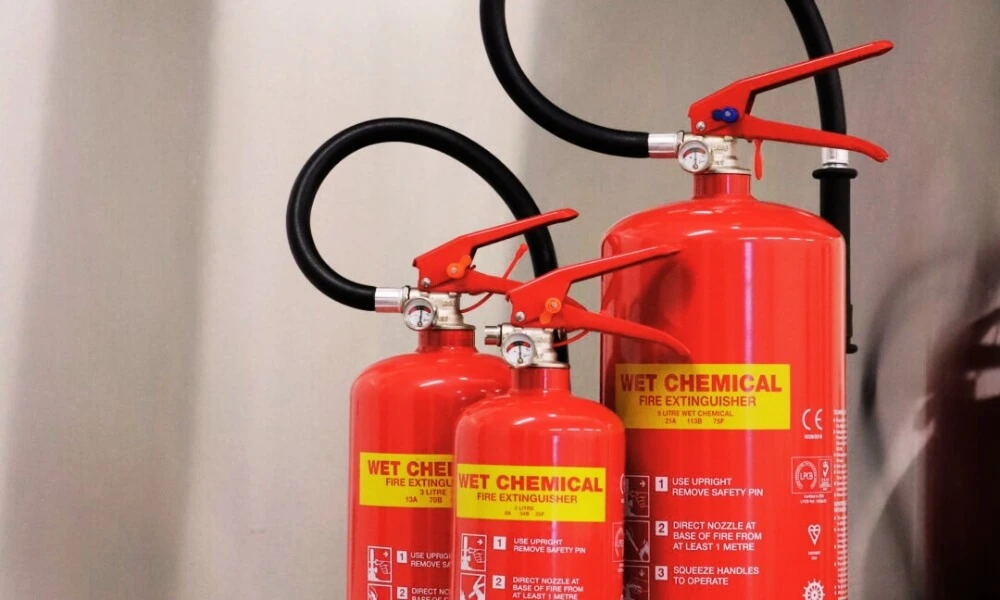
Why cooking oil fires need a different mindset in Saudi kitchens
A cooking oil fire behaves differently from most workplace fire scenarios. The heat is higher, the fuel is sticky, and the chance of re ignition is real if the fire is not controlled correctly. That is exactly why a wet chemical fire extinguisher exists as a specialised solution, not a “nice to have” add on for restaurants. In a Saudi context, this matters even more because kitchens are often high output, high temperature environments in hotels, food courts, catering hubs, and central kitchens.
From DARS’s perspective as a contractor that applies and develops fire protection solutions, the goal is simple. Reduce risk, keep operations compliant, and protect people and property without relying on assumptions. The most common assumption seen in the market is that an ABC or CO₂ unit is “enough.” It is not the right first response tool for burning cooking oils in many cases, and the guidance from recognised bodies consistently supports using the correct class rated solution. For a practical overview of what Class K means and why it exists, this explainer from the NFPA on Class K fire extinguishers is a strong reference.
The main keyword, and what people actually mean when they search it
When someone searches “wet chemical fire extinguisher” in Saudi Arabia, they are rarely looking for chemistry. They are usually trying to answer one of three things. What this extinguisher is for, whether it is required for inspections, and what they should buy and install to avoid compliance issues. Those are commercial questions, not only technical ones, and the best content should respect that intent.
This article is written to match that search behaviour in Saudi Arabia. It will explain what a Class F fire extinguisher concept means in markets that use that naming, how it aligns with the Class K concept, what “grease fire suppression” looks like in real kitchens, and how to select and maintain equipment in a way that supports fire safety compliance standards.
What is a wet chemical fire extinguisher
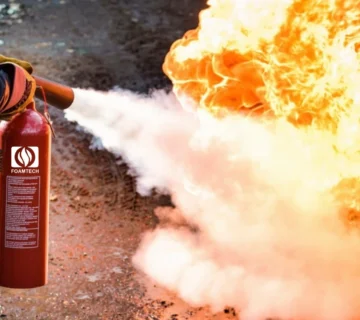
A wet chemical fire extinguisher is designed specifically for fires involving cooking oils and fats, typically found in commercial kitchens. These fires burn at high temperatures and can flash back if the surface is not cooled and sealed properly. The extinguisher’s agent is formulated to cool the burning oil and create a barrier that reduces vapour release, which is what helps prevent re ignition.
This is why it is often described as the correct fire extinguisher for cooking oils. It is not about being “stronger” than an ABC unit. It is about being more suitable for a very specific hazard profile. In kitchens that rely heavily on deep fryers, grills, and high volume sauté operations, the risk is not occasional. It is built into the daily workflow, which makes specialised protection part of baseline commercial kitchen fire safety.
What “Class K” means, and why it is different from “Class B”
A lot of confusion comes from class labels. Many people associate flammable liquids with Class B and assume cooking oils are the same. Cooking oils do ignite, but they behave differently because of temperature, viscosity, and heat retention. That is why Class K exists as a separate category in NFPA guidance, as highlighted in the NFPA overview of Class K. The “separate category” decision is essentially a risk signal. It tells operators that common extinguishing agents may not reliably prevent re ignition in these conditions.
For readers familiar with the “Class F” naming, the logic is similar. The label points to cooking oil and fat fires and reinforces the need for the right agent, applied in the right way.
Typical Saudi use cases that should not rely on general purpose units
Saudi kitchens are often high throughput and centralised, especially in hospitality and large scale catering. That increases the amount of oil used, how often appliances run, and how quickly a small ignition can grow. In practical terms, wet chemical units show up most commonly in restaurant lines with deep fryers, hotel banquet kitchens, cloud kitchens, and food court tenant spaces. When a kitchen’s “heat and oil profile” is high, a wet chemical extinguisher is typically part of basic kitchen fire protection systems, not an optional upgrade.
How a wet chemical extinguisher works
The effectiveness comes from two actions working together. First, the agent cools the burning oil, reducing temperature quickly. Second, it reacts at the surface level to form a layer that helps seal the fuel from oxygen and suppress vapours. This dual effect is why the agent is considered purpose built for cooking oils and fats rather than general liquids.
A clear, easy to follow description of the mechanism is outlined in this SafetyCulture explanation of how wet chemical extinguishers work. For kitchens, the outcome that matters is not just “fire out.” It is “fire stays out,” and that is where wet chemical solutions earn their place in professional fire suppression equipment.
Saponification, explained without the chemistry lecture
Saponification is the technical word people keep seeing in guides, and it simply refers to the surface reaction that creates a soap like layer over the burning oil. That layer helps reduce vapour release and reduces the risk of the fire flaring up again. If a kitchen team understands only one concept, it should be this. Re ignition is a core danger in cooking oil fires, and saponification is one reason wet chemical agents handle that better than many alternatives.
For a more formal training style reference, Markel’s document on Class K units provides a helpful overview of how these extinguishers function in practice, including the saponification concept in context: Markel’s Class K fire extinguisher guide (PDF).
Do you still need one if you already have ABC or CO₂
This is one of the most common questions in Q&A threads because people want to avoid duplicate equipment. The honest answer is that ABC and CO₂ units can be important for other risks in a kitchen environment, but they do not replace wet chemical coverage for cooking oils. A kitchen has mixed risks. Electrical equipment, packaging, gas lines, storage areas, and cooking oils. One extinguisher type rarely covers all of that safely and effectively.
This is the point where fire risk management solutions become more than a product checklist. It becomes a layout and use case decision. A wet chemical unit covers the cooking line oil hazards. A CO₂ may be relevant near certain electrical risks, depending on the setup. An ABC may serve general areas outside the direct cooking oil hazard zone. The confusion is understandable, and it shows up repeatedly in discussions like this Home Improvement Stack Exchange thread on ABC vs kitchen extinguishers, but commercial kitchens should treat this as a risk mapping decision, not a one unit purchase decision.
What kitchens get wrong in real life
The biggest mistake is not the purchase itself. It is the assumption that “any extinguisher is better than none” without understanding suitability. In a cooking oil fire, the wrong approach can splash burning oil, spread the hazard, or fail to prevent re ignition. That is why training and correct equipment go together. A wet chemical extinguisher supports safer application patterns designed for this fuel type, which directly supports safer grease fire suppression.
Saudi compliance lens, and why “mandatory” is often a practical question
Many owners ask whether wet chemical extinguishers are mandatory in Saudi Arabia. In practice, what they are asking is whether Civil Defense inspection expectations, approvals, and risk based requirements will require it for their kitchen type. The most reliable approach is to align procurement and installation with the overall compliance mindset, not wait for a failure point during inspection.
For local context, Saudi Civil Defense publishes safety requirement guidance through its official portal, which can be referenced here: Saudi Civil Defense safety requirements list. DARS typically advises kitchens to treat this as a readiness framework. Correct equipment, correct placement, documented servicing, and the right supporting systems.
If a kitchen wants a structured, practical overview that connects to Saudi market realities, this resource is commonly referenced in searches: Saudi Civil Defense regulations for fire safety equipment (LIFECO). It is not a replacement for formal compliance work, but it helps explain what businesses should prepare for.
How this connects to DARS’s service approach
DARS’s role is to apply and develop systems and solutions that hold up in real operational environments. That includes helping commercial kitchens select the correct kitchen fire protection systems, ensure installation supports inspection readiness, and maintain the documentation and servicing rhythm that keeps protection reliable.
For readers who want to understand DARS’s broader scope, these pages provide helpful context: DARS Services and DARS FAQ.
Choosing the right size and capacity for your kitchen setup
Once the role of a wet chemical fire extinguisher is clear, the next decision is sizing. This is where many kitchens either overbuy without purpose or underbuy and create a protection gap. Capacity affects how long the extinguisher can discharge, how wide the application pattern is, and how forgiving it is if the first attempt is not perfectly executed. In Saudi commercial kitchens, this decision should always be tied to the actual cooking setup rather than a generic recommendation.
Smaller units may be suitable for single appliance setups or light duty kitchens, while larger capacities are often more appropriate for multi fryer lines, high volume operations, or central kitchens. What matters is not only how much agent is available, but how effectively it can cover the oil surface area involved. This is why many buyers compare options like 6 litre units versus larger capacities seen in international markets. Product listings such as this Badger wet chemical extinguisher reference are often used as benchmarks when people research discharge time and coverage expectations.
What capacity really changes during an incident
In a real fire scenario, capacity is not about “more is better” in isolation. It is about giving the operator enough controlled discharge time to apply the agent gently and evenly without panic. Short discharge times can lead to rushed application, which increases the risk of splashing burning oil. Larger capacities tend to support calmer, more controlled use, especially when staff training levels vary. This directly affects the reliability of grease fire suppression in busy kitchens.
Capacity also affects servicing and logistics. Larger units are heavier and require proper mounting, clear access, and consideration for who will actually handle them in an emergency. These are practical details, but they matter when kitchens are evaluated during inspections or internal safety audits. This is where fire risk management solutions move from theory into daily operations.
Where a wet chemical extinguisher should be placed
Placement is one of the most common failure points during inspections. Even when the correct Class F fire extinguisher or Class K unit is purchased, incorrect placement can make it ineffective or unsafe to use. In Saudi kitchens, placement decisions are often reviewed through a compliance lens that looks at accessibility, visibility, and the ability to approach the hazard without crossing it.
The core principle is simple. The extinguisher should be close enough to reach quickly, but not so close that the user must move through flames or intense heat to access it. It should be clearly visible, unobstructed, and mounted at an appropriate height. Guidance on inspection, testing, and maintenance expectations is clearly outlined in this NFPA guide to fire extinguisher ITM, which is often used as a reference point even outside the US.
How Saudi inspections typically interpret “accessible”
In practice, inspectors look at whether the extinguisher can be reached without hesitation. If it is hidden behind equipment, blocked by storage, or placed inside a cabinet that requires extra steps to open, it may be flagged. Kitchens that treat placement as part of workflow design, rather than an afterthought, tend to perform better during inspections and emergency drills. This mindset aligns well with broader commercial kitchen fire safety planning.
Another common issue is placing the extinguisher too close to the cooking appliance. While it may seem logical to keep it right next to the fryer, this can expose the user to unnecessary risk. A short, clear approach path is safer than immediate proximity. This balance is often misunderstood, and correcting it early avoids costly repositioning later.
Matching the extinguisher to the kitchen layout
Not all kitchens are built the same, and this is especially true in Saudi Arabia, where layouts range from compact food court units to expansive hotel kitchens. A single extinguisher may not be enough if the cooking line is long or segmented. The goal is to ensure that wherever a cooking oil fire is most likely to occur, a wet chemical unit can be reached quickly without crossing hazards.
This is where planning kitchen fire protection systems as a whole becomes important. Portable extinguishers are one layer, but their effectiveness increases when their placement is coordinated with appliance layout, hood systems, and staff movement patterns. Resources like this overview of wet chemical extinguishers in commercial kitchens from CSA Fire are often referenced when mapping equipment to real kitchen designs.
How to use a wet chemical extinguisher correctly
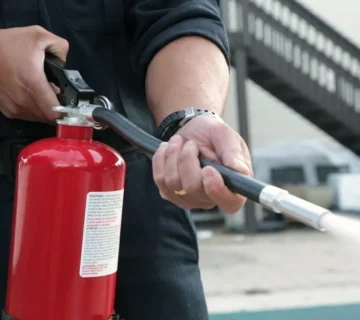
Even the best professional fire suppression equipment is only effective if used correctly. The basic PASS method applies, but with important nuances for cooking oil fires. The application must be gentle and controlled, aimed to cover the oil surface rather than forcefully striking it. This reduces the risk of splashing and helps the agent form its protective layer.
Training content often emphasises these differences because cooking oil fires punish aggressive application. Guides such as this practical explanation from Prepared Hero on Class K extinguishers are commonly shared during staff training to reinforce technique. For Saudi kitchens, ensuring that key staff understand these principles supports both safety outcomes and inspection confidence.
When to stop and evacuate
One of the most important decisions is knowing when not to continue. If the fire is growing, smoke is limiting visibility, or the exit path is compromised, evacuation is the correct choice. Extinguishers are first response tools, not guarantees. This distinction is critical for fire risk management solutions that prioritise life safety alongside property protection.
After the fire appears to be out, heat sources should be isolated if it is safe to do so, and the area should be monitored for signs of re ignition. Documentation and reporting also matter, especially in commercial environments where any discharge usually triggers inspection and servicing requirements.
Inspection, servicing, and documentation in Saudi kitchens
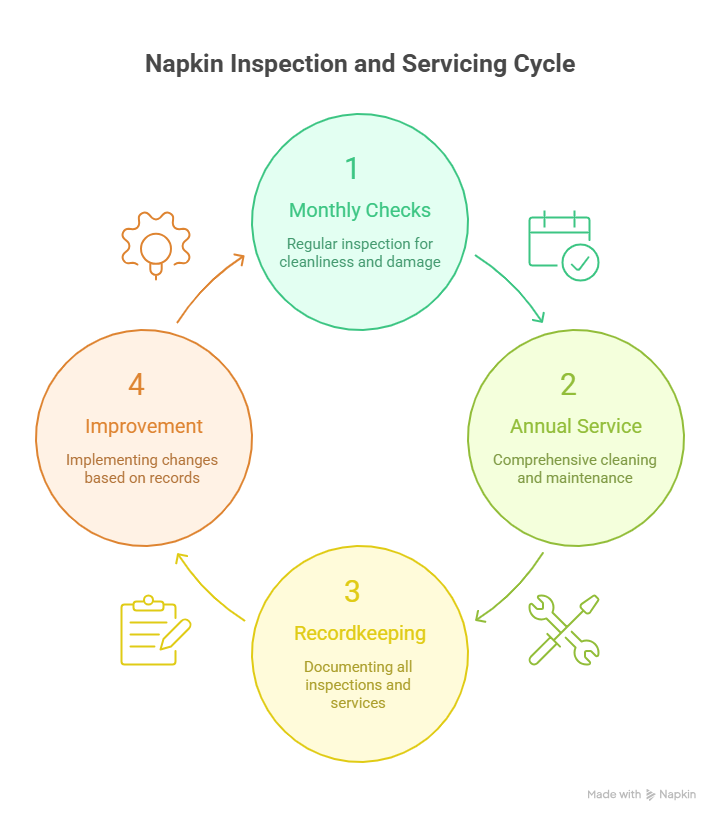
Maintenance is often overlooked until it becomes a problem. Wet chemical extinguishers require regular visual checks and periodic professional servicing to remain compliant and reliable. Monthly checks typically focus on obvious issues such as pressure, physical damage, and accessibility, while annual servicing is more detailed and should be carried out by authorised providers.
Guidance on servicing expectations is outlined clearly in resources like this FireServicePro overview of extinguisher inspection and maintenance. In Saudi Arabia, documentation is particularly important. Inspection tags, service records, and approval labels are often reviewed during Civil Defense inspections, and missing records can raise questions even if the equipment itself appears functional.
Wet chemical extinguisher versus kitchen hood suppression systems
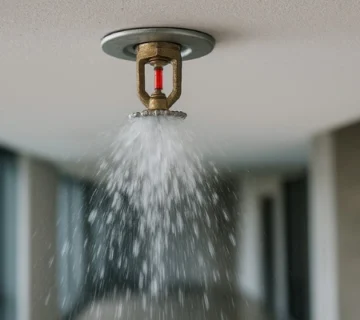
By the time a kitchen reaches a certain size or risk level, portable extinguishers are no longer the only line of defence. Fixed kitchen hood suppression systems are designed to activate automatically when temperatures rise beyond safe thresholds, targeting appliances, hoods, and ductwork. The key point is that these systems do not replace a wet chemical fire extinguisher. They serve a different purpose within the same risk environment.
A hood suppression system reacts without human intervention, which is critical if a fire grows rapidly or occurs when staff are distracted. The wet chemical fire extinguisher, on the other hand, supports immediate human response during the earliest stage of a fire. This distinction is well explained in Saudi focused resources such as this overview of kitchen hood wet chemical fire suppression systems by Axontec Saudi Arabia, which highlights how both elements work together rather than compete.
From a DARS perspective, the safest kitchens are the ones that treat portable extinguishers and fixed systems as complementary layers. One handles fast human response, the other handles automatic containment. Together, they strengthen overall kitchen fire protection systems and reduce dependence on a single point of failure.
Refill versus replace, and what usually applies in Saudi Arabia
Another common area of confusion is whether a wet chemical fire extinguisher should be refilled or replaced after use or inspection failure. In most commercial environments, these extinguishers are designed to be serviced and recharged by authorised providers rather than disposed of after a single discharge. However, the decision is not purely technical. It depends on the condition of the cylinder, compliance status, and availability of certified servicing.
DIY refilling is strongly discouraged and rarely accepted in commercial settings. This topic appears frequently in online discussions, including this Home Improvement Stack Exchange thread on refilling fire extinguishers, but the commercial reality in Saudi Arabia is clear. Servicing should be handled by approved companies that can certify the extinguisher and maintain documentation.
In practice, kitchens replace units when corrosion, damage, or repeated service issues make continued use unreliable. Refilling is common after discharge or during scheduled servicing, provided the unit remains compliant. This approach supports long term fire safety compliance standards and avoids unnecessary procurement costs.
What Saudi buyers should look for when purchasing
When kitchens in Saudi Arabia search for a wet chemical fire extinguisher, they are often comparing specifications, approvals, and supplier credibility rather than brand names alone. Key indicators include clear Class K or Class F rating, recognised testing or listing, appropriate nozzle design, and compatibility with commercial kitchen environments. Listings such as this UL listed 6 litre wet chemical extinguisher example are commonly referenced during procurement research.
Supplier capability matters as much as product specification. Kitchens should prioritise suppliers who can support installation guidance, servicing, and documentation. Red flags often include unclear approval status, lack of local service coverage, or missing inspection support. These issues tend to surface during inspections, not at the point of purchase, which is why early due diligence matters.
For organisations managing multiple sites, bundling procurement and servicing under a single provider often simplifies compliance tracking. This approach aligns with broader fire risk management solutions and reduces administrative overhead during audits and inspections.
Is a wet chemical extinguisher mandatory in Saudi Arabia
The question of whether wet chemical extinguishers are mandatory is best answered through a practical lens. Saudi Civil Defense inspections focus on whether the risks present are addressed appropriately, not on a one size fits all checklist. In kitchens where cooking oils and fats are a primary fire risk, inspectors expect to see equipment that matches that risk profile.
Official guidance and safety requirements are published through the Saudi Civil Defense safety portal. While requirements vary by activity and facility type, kitchens that proactively install wet chemical extinguishers alongside proper documentation and servicing are typically better positioned during inspections. This readiness mindset reduces last minute corrective actions and operational disruptions.
DARS generally advises clients to treat compliance as an ongoing process rather than a one time approval. Equipment selection, placement, maintenance, and records all work together to demonstrate responsibility and preparedness.
Bringing it all together for Saudi commercial kitchens
At its core, the wet chemical fire extinguisher exists to solve one specific problem. How to safely control cooking oil and fat fires without increasing the risk of re ignition. For Saudi commercial kitchens, that problem is common, predictable, and tied directly to daily operations. Choosing the correct extinguisher, installing it properly, and maintaining it consistently is not about over engineering. It is about matching protection to reality.
When combined with fixed suppression systems, staff awareness, and structured servicing, wet chemical extinguishers strengthen the overall safety posture of a kitchen. They support commercial kitchen fire safety in a way that general purpose equipment cannot fully achieve on its own. This layered approach also aligns with inspection expectations and long term operational continuity.
For businesses looking to assess or upgrade their kitchen fire protection, DARS’s broader services provide additional context and support, from risk assessment to implementation. Relevant information can be found through the DARS Services and DARS Risk Manager pages.
Final takeaway
A wet chemical fire extinguisher is not just another item on a safety checklist. It is a targeted response to one of the most challenging fire risks in commercial kitchens. In Saudi Arabia’s fast growing hospitality and food service sector, understanding and applying this tool correctly helps protect people, property, and business continuity. The kitchens that perform best are the ones that plan early, choose wisely, and treat fire safety as part of everyday operations rather than a last minute compliance task.