
Understanding the Role of Fire Detection Systems in Modern Buildings
In any commercial or residential property, early detection of fire hazards is essential for protecting lives and property. A fire detection and alarm system preventive maintenance checklist ensures that every component of the system operates reliably when it is needed most. These systems form the backbone of modern building fire protection systems, detecting smoke, heat, or flames and triggering alarms that allow occupants to evacuate quickly.
From office towers to industrial facilities, fire detection systems are not simply installed and forgotten. Their effectiveness depends on routine monitoring, inspection, and maintenance. Without these procedures, even the most advanced system may fail during an emergency. This is why property owners across Saudi Arabia rely on structured maintenance programs that align with national regulations and international safety standards.
Fire safety regulations emphasize the importance of continuous monitoring and periodic testing. According to the widely recognized National Fire Protection Association (NFPA), routine inspections and testing are critical to ensuring that life safety systems function properly. These global standards influence many fire safety practices adopted in Saudi Arabia, particularly those enforced by the Saudi Civil Defense.
When a facility implements a well-structured preventive maintenance checklist, it improves fire protection system reliability, reduces unexpected failures, and ensures compliance with safety authorities. Over time, these proactive measures become part of a broader strategy that protects both occupants and business continuity.
Why Preventive Maintenance Is Essential for Fire Alarm Systems
Fire alarm systems operate continuously, monitoring environments for potential hazards. However, constant operation exposes them to environmental factors such as dust, humidity, electrical fluctuations, and physical wear. Preventive maintenance addresses these issues before they escalate into critical failures.
Preventive maintenance involves scheduled inspections, cleaning, testing, and adjustments designed to keep the system operating at optimal efficiency. Instead of waiting for a malfunction, technicians detect and resolve problems early. This proactive approach significantly improves fire alarm system performance, ensuring that alarms activate immediately when required.
Another important factor is regulatory compliance. Businesses operating in Saudi Arabia must adhere to strict building safety compliance standards, particularly in high-occupancy environments such as hospitals, shopping malls, and office complexes. Failure to maintain fire alarm systems can lead to penalties, operational shutdowns, or even legal consequences.
Organizations that follow a preventive maintenance strategy benefit in several ways. Regular inspections help identify worn components, faulty sensors, or outdated software. These issues, if ignored, could compromise the entire system during an emergency. By addressing them early, building managers strengthen their fire safety compliance while protecting their facilities.
In addition, preventive maintenance improves the longevity of the system. Proper servicing extends equipment life, reducing the need for costly replacements. For facility managers responsible for large properties, this translates into both improved safety and long-term cost savings.
Regulatory Requirements for Fire Alarm Maintenance in Saudi Arabia
Maintaining fire detection systems in Saudi Arabia involves complying with several regulatory frameworks. The Saudi Civil Defense requires businesses to follow specific maintenance and inspection procedures to ensure the safety of building occupants. These requirements are aligned with international fire protection standards and local regulations governing safety systems.
Authorities also require building owners to maintain proper documentation of maintenance activities. Inspection logs, service reports, and certification records must be available during safety audits. This documentation proves that systems are regularly inspected and maintained according to approved standards.
The importance of these regulations becomes clear when considering the risks associated with system failure. A malfunctioning fire alarm system could delay emergency response, increasing the potential for injury or property damage. Therefore, regular fire alarm inspection procedures are mandatory in many commercial environments.
For organizations seeking reliable fire protection services, working with certified contractors ensures compliance with these regulations. Experienced providers understand both international standards and local regulatory requirements. Companies such as DARS support businesses by implementing structured maintenance programs aligned with Saudi Civil Defense expectations.
More information about maintenance approaches for safety systems can be found in this detailed guide on types of maintenance for fire safety systems in Saudi Arabia. Resources like this help facility managers understand how preventive maintenance contributes to a safer operational environment.
Key Components of a Fire Detection and Alarm System
Understanding the components of a fire alarm system helps clarify why maintenance is so critical. Each part of the system plays a specific role in detecting hazards and communicating warnings throughout the building.
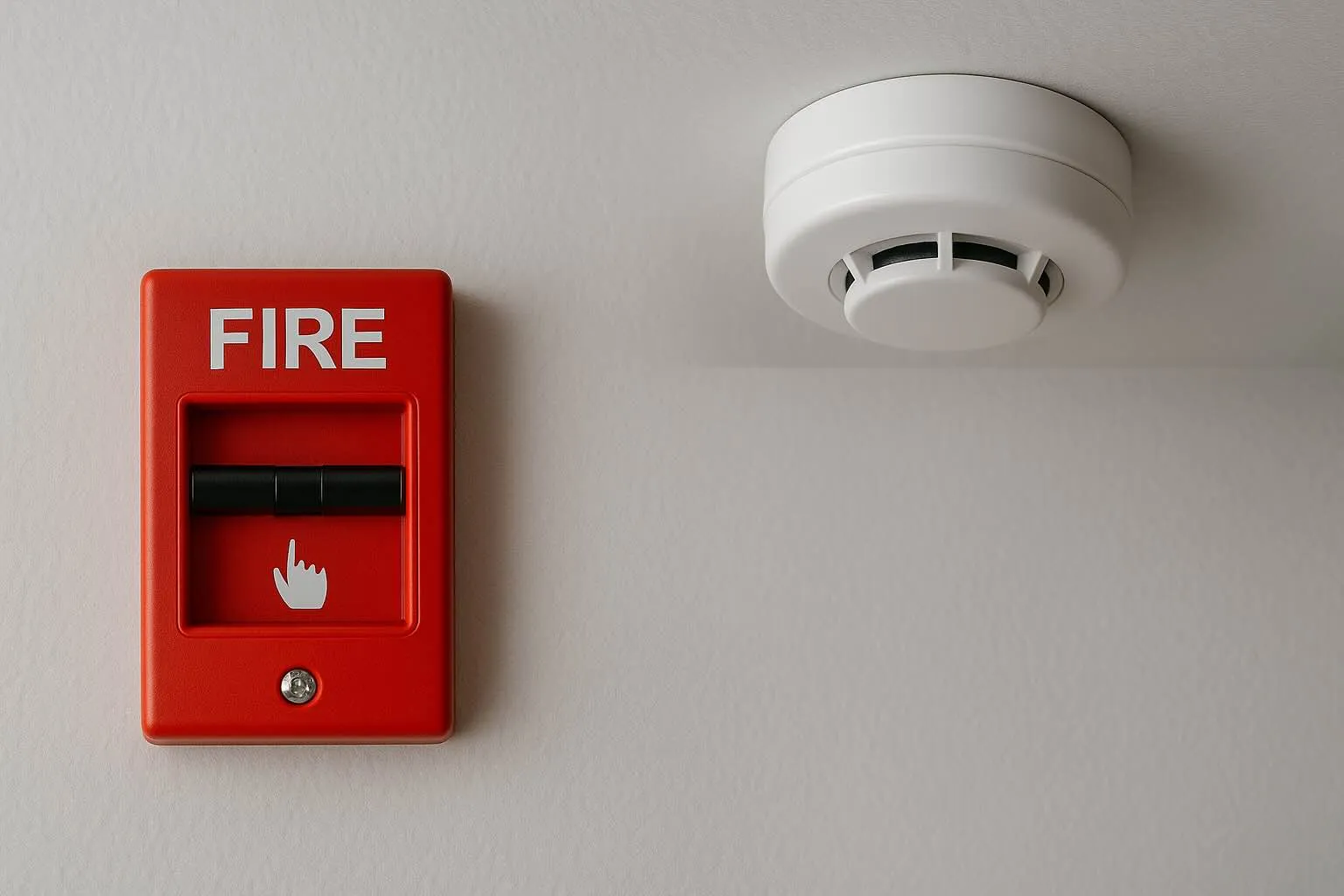
At the core of the system is the control panel, which processes signals from detectors and activates alarms when necessary. Smoke detectors, heat detectors, and manual call points provide the initial detection mechanism, while sounders and visual indicators alert occupants of danger. Power supplies and backup batteries ensure the system remains operational during electrical outages.
If any of these components fail, the entire system’s reliability can be compromised. For example, a smoke detector clogged with dust may not respond quickly to smoke particles. Similarly, a degraded battery may prevent the system from functioning during a power failure. These scenarios highlight why systematic life safety systems maintenance is essential.
Regular testing and inspection allow technicians to evaluate each component individually. Through structured maintenance routines, professionals verify that detectors respond correctly, alarms activate at the proper volume, and communication between devices remains uninterrupted.
How Preventive Maintenance Improves System Reliability
Preventive maintenance does more than ensure compliance with safety regulations. It also enhances the overall reliability of fire detection systems. In high-risk environments such as warehouses or manufacturing facilities, system reliability directly impacts operational safety.
Routine fire alarm system testing verifies that each detector and alarm functions correctly under simulated emergency conditions. During these tests, technicians activate detectors or manual call points to confirm that alarms trigger immediately and that signals reach the control panel without delay.
The benefits of consistent maintenance extend beyond system performance. Reliable fire detection systems contribute to occupant confidence and operational continuity. Employees and building occupants feel safer knowing that emergency systems are actively maintained and regularly inspected.
The Importance of a Structured Preventive Maintenance Schedule
A well-designed preventive maintenance schedule organizes inspections and testing activities throughout the year. Rather than conducting all maintenance at once, tasks are distributed across different intervals, ensuring consistent monitoring.
Maintenance schedules typically include monthly inspections, quarterly functional testing, and comprehensive annual servicing. Each stage focuses on different aspects of system performance, from visual inspections to full system simulations.
This structured approach ensures that problems are detected early and corrected before they escalate. It also allows facility managers to plan maintenance activities without disrupting building operations. When performed consistently, scheduled maintenance becomes an integral part of a facility’s broader safety strategy.
Over time, organizations that implement these schedules see improvements in system reliability, reduced emergency repairs, and stronger regulatory compliance. These outcomes demonstrate why preventive maintenance is considered a cornerstone of modern fire protection practices.
Preparing for the Preventive Maintenance Checklist
Before implementing a full preventive maintenance checklist, facility managers must ensure that several preparations are in place. These preparations include reviewing system documentation, identifying system components, and coordinating with certified maintenance technicians.
Accurate system documentation helps technicians understand how detectors, control panels, and alarms are interconnected. This information becomes particularly valuable when diagnosing faults or performing upgrades. In many facilities, system diagrams and zone layouts are maintained alongside inspection logs to support future maintenance activities.
Another important preparation step involves notifying building occupants before testing procedures begin. Alarm testing can trigger loud sounders and flashing lights, which may cause confusion if occupants are not informed in advance. Proper communication helps maintain safety while ensuring that testing activities proceed smoothly.
Once these preparations are completed, technicians can begin performing the detailed inspection and testing tasks outlined in the maintenance checklist.
What Comes Next in the Maintenance Checklist
Preventive maintenance is most effective when it follows a structured, step-by-step checklist that covers all system components. These checklists guide technicians through monthly inspections, quarterly functional tests, and comprehensive annual evaluations.
Each stage of the checklist focuses on verifying system integrity, identifying potential faults, and documenting results for regulatory compliance. When executed correctly, these procedures strengthen the reliability of fire detection systems and ensure they remain fully operational.
Monthly Visual Inspection Checklist for Fire Detection Systems
Preventive maintenance begins with consistent visual inspections. While advanced testing procedures require certified technicians, monthly checks allow facility managers and maintenance teams to identify obvious issues before they develop into serious faults. These inspections are a fundamental step in maintaining the integrity of any fire detection and alarm system preventive maintenance checklist.
A monthly visual inspection focuses on the overall condition of the system rather than technical diagnostics. Technicians or building supervisors verify that detectors remain unobstructed, control panels show no fault indicators, and alarms are clearly visible and accessible. Environmental factors such as dust, humidity, and accidental damage can gradually affect system performance, making these routine inspections essential for maintaining fire protection system reliability.
When inspections reveal irregularities, immediate corrective action helps prevent system failures during emergencies. For example, detectors located near ventilation ducts or construction areas may accumulate dust faster than expected. Cleaning these devices ensures they remain sensitive to smoke and heat signals. Over time, these small maintenance actions collectively improve fire alarm system performance, keeping the entire system ready to respond at a moment’s notice.
Ensuring Clear and Accessible Fire Alarm Devices
One of the most common issues discovered during inspections involves obstructed or inaccessible alarm devices. In busy buildings, detectors, manual call points, and sounders may become blocked by equipment, furniture, or signage. These obstructions can delay alarm activation or reduce the effectiveness of audible warnings.
Routine inspections confirm that devices remain visible and reachable throughout the building. Manual call points must be clearly labeled and unobstructed so occupants can quickly trigger an alarm if they detect smoke or fire. Similarly, visual indicators such as flashing beacons must remain unobstructed to ensure warnings are visible to all occupants, including those in noisy environments.
Maintaining clear access to alarm devices also supports commercial fire safety standards, which emphasize rapid detection and evacuation in emergency situations. When facilities maintain proper spacing and visibility around safety equipment, they improve the effectiveness of their overall fire protection strategy.
Monitoring Control Panels and System Indicators
The control panel acts as the central command unit of a fire detection system. It continuously monitors signals from detectors and manages communication with alarms and emergency systems. Because of its importance, the panel requires regular inspection to confirm that it operates without faults.
During monthly checks, technicians examine the control panel display to ensure there are no warning lights, error messages, or communication faults. Even minor indicators can reveal underlying issues that may affect the system’s ability to respond during a fire emergency. Addressing these early signs helps maintain compliance with recognized building safety compliance standards.
Control panels also store event logs that record alarms, faults, and system activity. Reviewing these logs helps maintenance teams identify recurring issues or patterns that may indicate deeper system problems. For example, repeated faults from a particular detector could signal wiring issues or environmental interference.
Industry guidelines from organizations such as the International Code Council (ICC) emphasize the importance of monitoring control panels and maintaining accurate maintenance records. These practices ensure that building safety systems remain transparent and traceable during inspections or audits.
Quarterly Functional Testing Procedures
While monthly inspections focus on visual conditions, quarterly maintenance involves more detailed functional testing. These tests verify that detectors, alarms, and control systems respond correctly under simulated emergency conditions. Regular fire alarm system testing ensures that every component performs as expected when an actual fire occurs.
During these procedures, technicians activate selected detectors and manual call points to confirm that alarms trigger immediately. Sounders, flashing lights, and communication systems must respond across all zones of the building. This process verifies that signals travel correctly from detectors to the control panel and then to the alarm devices.
Quarterly testing also includes evaluating the sensitivity of detectors. Smoke and heat sensors must respond to environmental changes without triggering false alarms. Calibration adjustments may be necessary if sensors become overly sensitive or unresponsive over time.
These procedures align with international standards for life safety systems maintenance, ensuring that fire detection systems remain reliable throughout their operational life. Consistent testing also prepares organizations for formal safety inspections conducted by regulatory authorities.
Verifying Power Supplies and Backup Batteries
Reliable power is essential for any fire detection system. Even the most advanced alarm network cannot function without a stable energy source. Preventive maintenance therefore includes careful evaluation of power supplies and backup batteries during scheduled inspections.
Backup batteries allow fire alarm systems to remain operational during power outages, ensuring continuous monitoring and alarm activation. Over time, these batteries degrade and lose their capacity to hold charge. Regular testing helps determine whether they still meet operational requirements.
Technicians evaluate battery performance by measuring voltage levels and verifying that the system can operate on backup power for the required duration. If batteries show signs of deterioration, replacing them promptly prevents unexpected system shutdowns during emergencies.
Organizations such as the National Institute of Standards and Technology (NIST) emphasize the importance of reliable power infrastructure for critical safety systems. In fire detection networks, maintaining strong power reliability directly supports the overall safety of building occupants.
The Role of Documentation in Preventive Maintenance
Preventive maintenance is not only about performing inspections and repairs. Equally important is documenting every maintenance activity performed on the system. Detailed records provide evidence that the facility complies with fire safety regulations and maintenance standards.
Maintenance logs typically include inspection dates, technician details, system test results, and corrective actions taken. These records allow facility managers to track the history of the system and identify recurring faults or performance issues. Over time, this documentation forms a valuable database that supports long-term system reliability.
Accurate documentation also plays a critical role during regulatory inspections. Authorities often request maintenance records to verify that systems are regularly tested and maintained according to approved standards. Facilities that maintain organized documentation demonstrate strong commitment to fire safety compliance, reducing the risk of penalties or operational disruptions.
Another advantage of digital maintenance records is their ability to identify trends in system performance. For example, repeated failures in a particular zone may indicate environmental issues or aging equipment. Early identification allows technicians to implement targeted improvements before problems escalate.
Integrating Preventive Maintenance into Building Safety Strategy
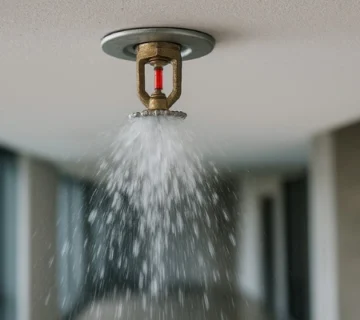
Preventive maintenance should not be viewed as a standalone activity. Instead, it forms part of a broader building safety strategy that integrates fire detection systems with other protective measures. These include sprinkler systems, emergency lighting, evacuation procedures, and staff training programs.
When these elements work together, they create a comprehensive safety environment capable of responding effectively to emergencies. Fire detection systems provide the earliest warning signals, while other systems support evacuation and fire suppression efforts. Maintaining these systems through structured maintenance programs strengthens the overall resilience of the building.
Organizations responsible for large facilities often integrate maintenance schedules with broader facility management systems. Digital platforms can track maintenance tasks, schedule inspections, and store documentation automatically. This integrated approach improves efficiency while maintaining consistent safety standards across multiple properties.
Preparing for Comprehensive Annual Servicing
While monthly inspections and quarterly tests maintain daily reliability, fire detection systems also require annual servicing performed by certified professionals. These comprehensive evaluations examine every component of the system in detail and verify that it meets regulatory requirements.
Annual servicing includes advanced diagnostic testing, system calibration, and full simulation of alarm conditions. Technicians evaluate detectors, communication modules, alarm devices, and control panels to ensure they function according to manufacturer specifications.
For organizations operating in Saudi Arabia, these inspections are particularly important because regulatory authorities require documented proof of system maintenance and certification. Professional service providers such as DARS help organizations meet these requirements while ensuring that systems remain compliant with national safety regulations.
Annual Comprehensive Maintenance for Fire Detection Systems
Annual servicing represents the most thorough stage of the fire detection and alarm system preventive maintenance checklist. While monthly inspections and quarterly testing focus on operational readiness, the annual evaluation examines the entire system in depth. Certified technicians conduct these inspections to verify that every component functions according to manufacturer specifications and regulatory requirements.
During annual servicing, technicians test detectors, alarm devices, and communication systems under controlled conditions that simulate real emergencies. This process confirms that signals move efficiently from detectors to control panels and then to alarms and evacuation systems. Such testing ensures that building fire protection systems remain reliable even under complex operational conditions.
Annual maintenance also verifies that the system continues to comply with local regulations and international safety frameworks. Many organizations follow recognized guidelines from bodies such as the National Fire Protection Association (NFPA), which provide structured standards for fire alarm inspection procedures and long-term system reliability. By aligning maintenance practices with these standards, facilities strengthen their commitment to both safety and regulatory compliance.
Detailed System Testing and Calibration
One of the most important aspects of annual maintenance involves the technical calibration of system components. Sensors, control panels, and communication modules must operate within precise thresholds to detect hazards accurately without triggering unnecessary alarms.
Over time, environmental factors such as temperature fluctuations, dust accumulation, and electrical interference can affect sensor accuracy. Annual calibration restores these devices to their optimal sensitivity levels. This process helps maintain strong fire alarm system performance, ensuring that alarms activate immediately when smoke or heat levels reach critical thresholds.
Technicians also evaluate system response times by triggering detectors and measuring the speed at which alarms activate. Any delays in signal transmission may indicate wiring issues or configuration errors that require immediate correction. Addressing these problems early strengthens overall fire protection system reliability and prevents unexpected failures during emergencies.
Inspecting Detectors, Panels, and Communication Systems
A comprehensive annual inspection examines every device connected to the fire detection system. Smoke detectors, heat sensors, manual call points, and alarm devices are all evaluated to ensure proper operation. Technicians also check communication networks linking these devices to the central control panel.
For large commercial buildings, these networks may involve multiple zones and integrated systems. If communication failures occur between devices, alarms may not activate in certain areas of the building. Regular testing confirms that all zones remain fully connected and responsive.
Annual inspections typically include the following key verification steps:
- Smoke and heat detectors are cleaned, calibrated, and tested for response accuracy
- Control panels are checked for firmware updates, system errors, and configuration issues
- Backup batteries are evaluated for capacity and replaced if necessary
Although these tasks may appear routine, they are critical for maintaining commercial fire safety standards and ensuring the building’s emergency systems operate without interruption.
Common Issues Identified During Preventive Maintenance
Even well-maintained systems can develop technical issues over time. Preventive maintenance helps identify these problems early before they compromise system functionality. Among the most common issues discovered during inspections are dust accumulation, aging batteries, and wiring faults.
Dust buildup is particularly problematic for smoke detectors because it can interfere with the sensor’s ability to detect particles accurately. In some cases, excessive dust may trigger false alarms, disrupting building operations and causing unnecessary evacuations. Routine cleaning prevents these disruptions while preserving accurate detection.
Battery degradation is another frequent concern. Backup batteries gradually lose capacity as they age, reducing their ability to power the system during electrical outages. Regular testing ensures that batteries remain capable of supporting the alarm system until normal power is restored.
Electrical faults also represent a significant risk. Loose connections or damaged wiring can interrupt communication between detectors and control panels. Preventive maintenance allows technicians to locate and repair these issues before they affect life safety systems maintenance and overall building protection.
The Importance of Maintenance Documentation and Reporting
Proper documentation is an essential component of any preventive maintenance program. Maintenance records provide a detailed history of inspections, repairs, and system upgrades. These records help facility managers track system performance and demonstrate compliance with regulatory requirements.
Inspection logs typically include the date of service, technician details, system test results, and any corrective actions taken. Maintaining accurate records allows organizations to identify recurring faults or performance patterns that may indicate deeper system issues.
Authorities responsible for enforcing building safety compliance standards often review these records during inspections. Well-organized documentation demonstrates that the building owner has followed required maintenance procedures and taken appropriate actions to ensure safety.
Digital maintenance platforms are increasingly used to simplify this process. These systems allow technicians to record inspection data in real time, attach photos, and generate automated reports. By digitizing maintenance records, organizations can improve transparency and streamline regulatory reporting.
Selecting Qualified Technicians for Maintenance
Preventive maintenance should always be performed by qualified professionals who understand the technical and regulatory requirements of fire alarm systems. Certified technicians possess the training necessary to conduct advanced testing, calibrate detectors, and diagnose system faults.
In many regions, including Saudi Arabia, regulatory authorities require maintenance to be conducted by licensed fire safety contractors. These professionals follow established fire alarm inspection procedures and maintain documentation required for compliance audits.
Experienced service providers also remain updated on evolving fire safety regulations and technological developments. As fire detection technology continues to advance, systems increasingly incorporate digital monitoring, smart sensors, and networked communication platforms. Skilled technicians ensure these systems remain compatible with modern safety requirements.
Organizations that work with experienced contractors benefit from both technical expertise and regulatory guidance. This partnership helps facility managers maintain compliance while ensuring the highest standards of system reliability.
Integrating Preventive Maintenance into Long-Term Safety Planning
Fire alarm maintenance should not be treated as a periodic obligation but rather as an integral part of long-term facility management. When preventive maintenance becomes embedded within operational planning, organizations create a proactive safety culture that prioritizes risk prevention.
Facility managers often integrate maintenance schedules with broader asset management systems. These systems track inspection timelines, maintenance history, and equipment performance across multiple properties. By consolidating safety data, organizations gain deeper insights into system reliability and maintenance effectiveness.
Preventive maintenance also supports broader risk management strategies. Buildings equipped with reliable fire detection systems experience fewer emergency disruptions and maintain stronger operational continuity. This reliability is especially important in high-occupancy environments where safety and business operations must coexist seamlessly.
Future Trends in Fire Detection Maintenance
Advancements in building technology are transforming how fire alarm systems are maintained. Modern systems increasingly integrate digital monitoring platforms that provide real-time performance data. These platforms allow technicians to detect faults remotely and schedule maintenance before problems escalate.
Artificial intelligence and predictive analytics are also beginning to influence maintenance strategies. By analyzing system data over time, predictive models can identify patterns that indicate potential failures. This proactive approach improves fire alarm system performance while reducing unexpected downtime.
Smart building technologies further enhance preventive maintenance by connecting fire detection systems with other building management systems. Integrated platforms allow facility managers to monitor fire alarms, environmental conditions, and energy usage through a single interface. As these technologies evolve, preventive maintenance will become more data-driven and efficient.
Conclusion: Building Safer Facilities Through Preventive Maintenance
A well-structured fire detection and alarm system preventive maintenance checklist is essential for protecting lives, property, and business continuity. Fire detection systems are designed to provide early warnings during emergencies, but their effectiveness depends entirely on proper maintenance and regular testing.
Preventive maintenance ensures that detectors remain sensitive, alarms activate correctly, and communication systems operate without interruption. Through consistent inspections, testing, and documentation, organizations strengthen their fire safety compliance and maintain reliable protection against fire hazards.
For building owners and facility managers, investing in structured maintenance programs is not simply a regulatory requirement. It is a strategic commitment to safety and operational resilience. Companies like DARS support organizations in implementing these programs, ensuring that fire detection systems remain dependable and fully compliant with industry standards.
As buildings grow more complex and technology continues to advance, preventive maintenance will remain the foundation of effective fire protection. Facilities that prioritize regular maintenance today create safer environments for occupants and stronger operational stability for the future.