
Fire safety is no longer a secondary consideration in modern construction. Across rapidly developing markets such as Saudi Arabia, protecting lives and assets requires integrated building fire protection solutions that function automatically and reliably. Among the most effective measures available today is the permanent sprinkler system, a core component of modern commercial fire protection systems.
Unlike temporary or portable firefighting solutions, permanent systems are built directly into a structure’s infrastructure. They activate automatically when heat from a fire reaches a specific threshold, releasing water to control or suppress flames before they spread. This technology has proven to be one of the most reliable fire risk mitigation systems available in modern safety engineering.
In Saudi Arabia, where rapid urban expansion and large-scale infrastructure projects are central to Vision 2030, such systems have become essential. Regulatory authorities require many buildings to integrate sprinkler networks as part of their fire safety compliance standards, ensuring structures meet strict life safety requirements.
This guide explains how permanent sprinkler systems work, why they are mandatory in many environments, and how businesses can implement them effectively.
What Is a Permanent Sprinkler System?
A permanent sprinkler system is a fixed fire suppression network installed inside a building. It consists of a series of pipes connected to a reliable water supply and equipped with heat-sensitive sprinkler heads. When a fire raises the surrounding temperature to a predetermined level, the sprinkler head activates and releases water directly onto the affected area.
These systems are considered a critical component of automatic fire suppression systems, as they respond instantly without requiring manual intervention. Their design allows them to control fires at their earliest stage, significantly reducing the chance of large-scale damage.
According to the widely recognized NFPA 13 Standard for the Installation of Sprinkler Systems, sprinkler systems must be carefully engineered to ensure adequate water flow, pressure distribution, and coverage across the building.
Permanent sprinkler networks typically include several essential components:
- A pressurized water supply connected to tanks or municipal infrastructure
- Control valves and alarms that monitor system status
- Heat-activated sprinkler heads distributed across protected areas
Together, these elements create one of the most effective building fire prevention systems available in modern safety engineering.
Why Permanent Sprinkler Systems Matter for Modern Buildings
Early Fire Suppression Saves Lives
The main advantage of a permanent sprinkler system is speed. Fires often grow exponentially within minutes, spreading through materials, ventilation systems, and structural components. Automated suppression ensures that the fire is controlled before emergency responders arrive.
Research from the National Fire Protection Association consistently shows that buildings equipped with sprinkler systems experience significantly lower fire-related fatalities and property damage.
Protecting Assets and Infrastructure
For commercial and industrial environments, fire incidents can cause severe operational disruptions. A single uncontrolled fire can shut down production lines, destroy valuable equipment, and lead to extended downtime.
Permanent sprinkler systems reduce these risks by activating immediately and limiting fire growth. As part of a comprehensive industrial fire protection system, they protect:
- Manufacturing facilities
- Warehouses and logistics centers
- High-rise buildings
- Commercial complexes
These systems therefore play a crucial role in safeguarding both physical assets and business continuity.
Permanent Sprinkler Systems in Saudi Arabia
The Role of Civil Defense Regulations
In Saudi Arabia, fire safety requirements are governed by the Saudi Building Code (SBC) and enforced by the Civil Defense authority. Many types of buildings must install permanent sprinkler systems to meet regulatory requirements.
The SBC 801 Fire Protection Code outlines design, installation, and maintenance standards aligned with global frameworks such as NFPA guidelines. These regulations ensure buildings incorporate reliable fire suppression technology capable of operating in Saudi Arabia’s demanding environmental conditions.
The official Saudi Building Code portal provides comprehensive guidance on fire safety standards and regulatory compliance.
Compliance and Building Approval
Before a building can receive an occupancy permit, fire protection systems must be inspected and approved by Civil Defense authorities. This process verifies that the sprinkler network functions correctly and complies with national safety standards.
Typical compliance requirements include hydraulic calculations to confirm water pressure levels, system testing under simulated conditions, and certification from licensed contractors.
Organizations seeking professional guidance can consult specialized providers such as DARS, which offers certified fire protection services aligned with Saudi regulations.
Key Components of a Permanent Sprinkler System
Water Supply Infrastructure
Every sprinkler system requires a reliable water source capable of sustaining adequate pressure and flow during emergencies. Depending on the building type, this supply may come from municipal networks, dedicated water tanks, or fire pumps.
Maintaining consistent pressure is critical to ensuring the system can deliver water evenly across all sprinkler heads.
Sprinkler Heads and Activation Mechanisms
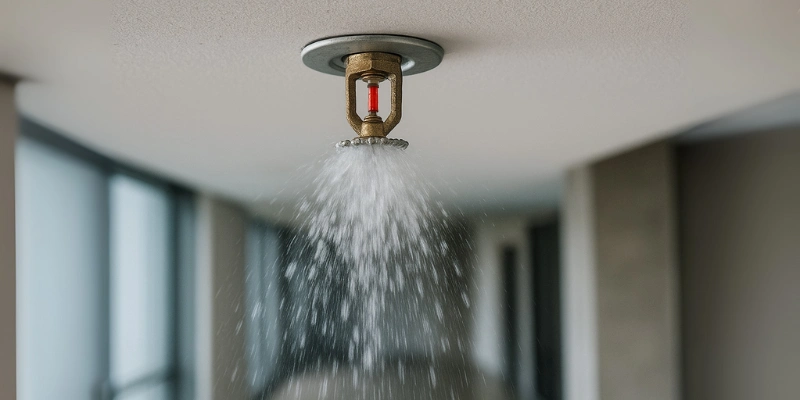
Each sprinkler head contains a heat-sensitive element, typically a glass bulb filled with liquid. When exposed to high temperatures, the liquid expands until the bulb breaks, allowing water to flow.
Importantly, sprinkler heads activate individually rather than all at once. This design minimizes water damage while effectively suppressing localized fires.
Control Valves and Alarm Systems
Valves regulate water flow within the network and allow maintenance teams to isolate specific sections when necessary. Alarm systems notify building management and emergency responders when the system activates.
These monitoring systems form an essential layer of modern building fire protection solutions, ensuring any incident is detected immediately.
Types of Permanent Sprinkler Systems
Different environments require different sprinkler system configurations. Selecting the right type ensures optimal performance in various building conditions.
Wet Pipe Systems
Wet pipe systems are the most common type of permanent sprinkler system. In these systems, pipes remain filled with water at all times. When a sprinkler head activates, water is released immediately.
Because of their simplicity and reliability, wet systems are widely used in offices, residential buildings, and commercial facilities.
Dry Pipe Systems
Dry pipe systems contain pressurized air instead of water. When a sprinkler head activates, the air pressure drops, allowing water to enter the piping network.
These systems are commonly installed in environments where freezing temperatures could damage pipes.
Pre-Action Systems
Pre-action systems require both a detection signal and sprinkler activation before releasing water. This added safeguard reduces the risk of accidental discharge.
They are commonly used in sensitive environments such as data centers, museums, and archival storage facilities.
The Design Process for Permanent Sprinkler Systems
Designing a sprinkler network involves far more than simply placing pipes throughout a building. Engineers must carefully analyze the structure’s layout, risk level, and operational requirements.
The process usually begins with hazard classification. Buildings are categorized based on fire risk levels, which influence sprinkler spacing, water pressure requirements, and system capacity.
Design teams then create detailed pipe layouts that ensure full coverage while avoiding structural obstructions.
Key factors typically considered during the design phase include:
- Building occupancy type
- Fire load and potential ignition sources
- Water supply reliability
These considerations ensure the system meets both NFPA fire safety standards and local regulatory requirements.
Fire Sprinkler System Installation
Proper fire sprinkler system installation requires experienced engineers, certified technicians, and strict adherence to safety standards. Installation involves assembling piping networks, installing sprinkler heads, and connecting the system to water supply infrastructure.
After installation, technicians conduct pressure tests and operational checks to confirm that the system performs as expected.
In Saudi Arabia, Civil Defense authorities must inspect and approve these installations before the building can be occupied.
Professional providers like DARS’s fire protection services specialize in designing and implementing sprinkler systems tailored to commercial and industrial environments.
Maintenance and Inspection of Permanent Sprinkler Systems
A permanent sprinkler system cannot deliver reliable protection without consistent maintenance. While these systems are designed to operate automatically during emergencies, their performance depends heavily on routine inspection and professional servicing. In many cases, failures occur not because the system was poorly designed, but because valves were closed, components corroded, or inspections were neglected.
For commercial and industrial buildings, proper maintenance ensures the system remains aligned with fire safety compliance standards and continues to function as intended during critical situations. Regular inspections also reduce liability risks and help organizations maintain their safety certifications.
In Saudi Arabia, maintenance practices are guided by both the Saudi Building Code and international standards such as NFPA. These frameworks establish detailed inspection schedules and performance testing requirements that must be followed by licensed contractors.
Understanding NFPA Inspection Requirements
The National Fire Protection Association provides globally recognized standards for fire protection systems. Specifically, NFPA 25 – Standard for the Inspection, Testing, and Maintenance of Water-Based Fire Protection Systems outlines the procedures needed to keep sprinkler systems operational.
NFPA 25 emphasizes that maintenance is not a one-time task but an ongoing responsibility. Systems must be regularly inspected to verify that valves remain open, sprinkler heads are unobstructed, and water supply systems maintain proper pressure levels.
These inspections support the broader goal of maintaining effective fire risk mitigation systems within buildings. Without them, even the most advanced automatic fire suppression systems can fail when they are needed most.
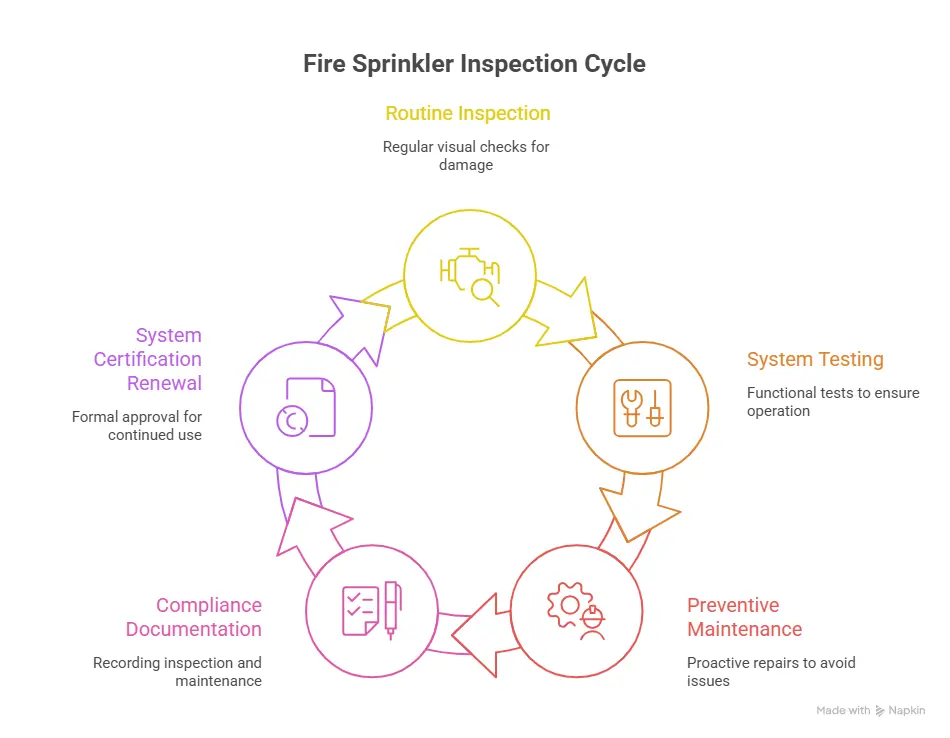
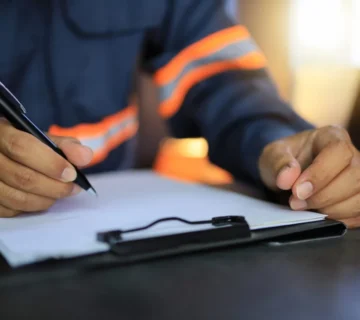
This visual would help readers understand how inspection cycles maintain system readiness over time.
Why Maintenance Is Critical for Fire Protection
Preventing System Failure
Even the most advanced fire suppression technology requires proper upkeep. Dust accumulation, corrosion, or mechanical damage can prevent sprinkler heads from activating correctly. In other cases, valves may be accidentally closed during unrelated maintenance work, effectively disabling the system.
Regular inspections help identify these problems early. Maintenance teams ensure that every component—from pipes to pumps—remains ready to respond immediately during a fire emergency.
Maintaining Legal Compliance
For many commercial properties, fire protection systems are legally required. Authorities such as Saudi Civil Defense conduct periodic audits to verify that buildings comply with local regulations.
Failure to maintain a permanent sprinkler system can lead to serious consequences. These may include fines, operational shutdowns, or revoked occupancy permits. Organizations that maintain detailed inspection records are far more likely to pass regulatory reviews smoothly.
Protecting Long-Term Investment
Installing a sprinkler network is a significant financial investment. Routine maintenance protects that investment by extending the system’s lifespan and preventing costly repairs.
Regular servicing also ensures the building remains protected by effective commercial fire protection systems, which is especially important in facilities that handle flammable materials or high-value assets.
Common Maintenance Procedures
Maintaining a sprinkler system requires a structured program of inspections and functional tests. These procedures ensure the system can operate under real emergency conditions.
Maintenance programs typically include visual inspections, mechanical testing, and performance evaluations. While building management may perform basic visual checks, most testing procedures must be conducted by certified fire protection specialists.
Some of the most important tasks include:
- Inspecting sprinkler heads to ensure they are unobstructed and undamaged
- Verifying that control valves remain open and properly sealed
- Testing alarm systems and water flow sensors
These procedures form the backbone of reliable building fire prevention systems, ensuring that protection systems remain fully operational.
Environmental Factors Affecting Sprinkler Systems
High Temperatures and Climate Conditions
Saudi Arabia’s climate presents unique challenges for fire protection infrastructure. High temperatures can accelerate wear in piping systems and mechanical components, increasing the importance of frequent inspections.
Over time, exposure to extreme heat may affect gasket materials, seals, and valves. If not properly maintained, these components can degrade and compromise the effectiveness of the entire sprinkler network.
Water Quality and Corrosion
Water quality also plays a major role in sprinkler system reliability. Minerals, sediment, or contaminants in water supplies can cause corrosion inside pipes. This corrosion can reduce water flow or even block sprinkler heads.
Installing filtration systems and conducting periodic pipe inspections helps prevent such issues. These measures ensure that the permanent sprinkler system continues delivering reliable fire suppression performance.
System Testing and Performance Verification
Beyond visual inspections, sprinkler systems must undergo functional testing to confirm that water flows correctly through the network. These tests simulate emergency conditions to ensure the system activates as expected.
One of the most important tests involves verifying that the fire pump delivers sufficient pressure to the sprinkler network. Fire pumps serve as the backbone of many industrial fire protection systems, ensuring water reaches all areas of the building during an emergency.
Testing procedures often include alarm activation tests, pressure verification, and flow measurements. These steps confirm that the system meets both local regulations and international standards.
Organizations can reference the official Saudi Civil Defense safety guidelines for additional guidance on fire safety compliance requirements.
The Role of Professional Fire Protection Contractors
While building managers may perform routine visual checks, comprehensive maintenance must be handled by licensed professionals. Certified contractors have the technical expertise required to test and repair complex fire protection systems.
Companies specializing in building fire protection solutions offer services ranging from system design to long-term maintenance programs. These providers ensure that sprinkler systems remain aligned with both NFPA guidelines and local regulatory frameworks.
Organizations seeking specialized fire safety expertise can explore solutions from professional providers such as DARS’s fire protection experts, who support businesses across Saudi Arabia with certified installation and maintenance services.
Professional maintenance programs typically include system inspections, hydraulic testing, and compliance documentation required by authorities.
Common Problems Found in Sprinkler Systems
Despite their reliability, sprinkler systems can encounter several operational challenges over time. Identifying these issues early helps maintain effective fire suppression technology.
One common problem involves obstructed sprinkler heads. Storage racks, decorative fixtures, or structural modifications can block water spray patterns, reducing system effectiveness.
Another issue involves corrosion within pipes. Over time, rust particles can accumulate and restrict water flow, particularly in older systems.
A third challenge involves accidental valve closures. During building maintenance work, control valves may be unintentionally shut off, preventing water from reaching sprinkler heads during emergencies.
The Cost of Maintaining a Permanent Sprinkler System
Maintenance costs vary depending on building size, system complexity, and inspection frequency. However, the cost of maintaining a system is significantly lower than the financial losses caused by uncontrolled fires.
In Saudi Arabia, annual maintenance expenses often include inspection fees, testing procedures, and component replacements when necessary. These costs represent a small investment compared to the protection provided by effective commercial fire protection systems.
Organizations that allocate sufficient budgets for maintenance benefit from improved safety, regulatory compliance, and lower long-term repair costs.
Preparing for Future Fire Safety Challenges
Modern buildings are becoming increasingly complex, incorporating advanced technology, energy systems, and smart infrastructure. These developments create new fire risks that require sophisticated safety solutions.
Permanent sprinkler systems remain a cornerstone of modern fire protection strategies. However, integrating them with digital monitoring tools and advanced detection systems is becoming increasingly important.
As urban environments continue to expand across Saudi Arabia, businesses must invest in scalable industrial fire protection systems capable of adapting to evolving safety requirements.
Optimizing Permanent Sprinkler Systems for Modern Buildings
As cities expand and infrastructure becomes more complex, fire protection strategies must evolve alongside them. A permanent sprinkler system is no longer just a regulatory requirement but a strategic investment in long-term safety, operational resilience, and property protection. Modern buildings require integrated building fire protection solutions that combine reliable suppression systems with intelligent monitoring and advanced design principles.
Organizations that treat fire safety as a strategic priority benefit from stronger risk management, regulatory compliance, and long-term cost savings. The ability to detect and suppress fires quickly protects both human life and the operational continuity of businesses operating in commercial or industrial environments.
In Saudi Arabia, where mega-projects and large urban developments are expanding rapidly, modern fire protection systems must support both regulatory compliance and large-scale infrastructure growth. Permanent sprinkler systems therefore play a foundational role in supporting safer and more resilient buildings.
Integrating Sprinkler Systems with Modern Fire Safety Technologies
Traditional sprinkler systems were designed primarily as mechanical systems that activate during fires. However, modern fire safety strategies increasingly combine sprinkler networks with digital monitoring technologies and smart building infrastructure.
These integrations allow facility managers to monitor the condition of their systems in real time, detect potential faults early, and ensure compliance with fire safety compliance standards. Sensors can track water pressure levels, valve positions, and alarm activation status across an entire building.
Advanced monitoring platforms also improve coordination between sprinkler systems and other automatic fire suppression systems, including fire alarms, smoke detection systems, and emergency evacuation protocols.
Designing Fire Protection Systems for Large-Scale Facilities
Hazard Classification and Risk Assessment
Designing a permanent sprinkler system begins with a detailed analysis of the building’s fire risk profile. Engineers assess factors such as occupancy type, materials stored within the building, and potential ignition sources.
This process ensures the system is tailored to the environment in which it operates. For example, warehouses storing combustible goods require different sprinkler configurations compared with office buildings or residential towers.
Risk classification is guided by international frameworks such as the NFPA Fire Protection Standards, which establish guidelines for industrial fire protection systems and other specialized environments.
Proper risk assessment allows engineers to design systems that provide optimal water distribution and suppression performance.
Hydraulic System Design
Once risks are evaluated, engineers conduct hydraulic calculations to determine the water pressure and flow rates required for effective fire suppression. These calculations ensure that sprinkler heads receive adequate water supply even in the most remote sections of the building.
Hydraulic design also helps optimize pipe sizing, pump capacity, and storage tank requirements. These factors ensure the sprinkler network functions effectively under emergency conditions.
Permanent Sprinkler Systems and Vision 2030 Infrastructure
Saudi Arabia’s Vision 2030 initiative has accelerated the development of major infrastructure projects, including smart cities, industrial zones, and commercial districts. These large-scale developments require sophisticated commercial fire protection systems that meet global safety standards.
Permanent sprinkler systems support these projects by providing reliable fire suppression capabilities within complex structures such as airports, shopping malls, and logistics hubs. They also contribute to sustainable building design by minimizing fire damage and reducing reconstruction costs following emergencies.
The regulatory framework supporting these developments aligns with international standards such as the Saudi Building Code, which integrates NFPA guidelines into national construction requirements.
Companies involved in major development projects must therefore ensure their fire protection systems comply with both national regulations and global safety practices.
Organizations can consult specialized fire protection providers such as DARS’s safety solutions to design and implement compliant systems that support large infrastructure developments.
Choosing the Right Fire Protection Partner
Implementing an effective sprinkler system requires expertise that goes beyond equipment installation. Engineers must understand fire dynamics, building design, and regulatory compliance requirements.
Experienced fire protection providers offer comprehensive services that include system design, fire sprinkler system installation, testing, and long-term maintenance support. These services ensure the system remains aligned with NFPA fire safety standards and Saudi Civil Defense requirements.
When selecting a fire protection partner, organizations should prioritize companies with proven experience in complex commercial and industrial projects.
Key considerations typically include:
- Certification and licensing from Civil Defense authorities
- Experience implementing large-scale building fire prevention systems
- Capability to provide long-term maintenance and compliance support
These factors ensure the sprinkler system will remain reliable and compliant throughout the building’s lifecycle.
The Future of Fire Suppression Technology
Advancements in fire suppression technology are transforming how buildings respond to fire emergencies. New sprinkler head designs provide more precise water distribution, improving suppression efficiency while minimizing water damage.
Smart monitoring technologies are also improving system reliability. Digital dashboards can alert facility managers when valves are closed, pumps malfunction, or pressure levels fall below acceptable thresholds.
Artificial intelligence and predictive analytics are beginning to play a role in fire safety as well. By analyzing system performance data, building managers can anticipate maintenance needs before failures occur.
These innovations are transforming traditional sprinkler networks into intelligent safety systems capable of supporting modern building environments.
Permanent Sprinkler Systems as a Core Fire Safety Strategy
For modern buildings, fire safety cannot rely on a single system. Instead, it requires a layered approach combining detection, suppression, and emergency response mechanisms.
Permanent sprinkler systems form the backbone of this strategy. Their ability to respond immediately to heat allows them to control fires before they escalate into large-scale emergencies.
When integrated with alarms, monitoring platforms, and evacuation procedures, sprinkler networks become a powerful component of comprehensive fire risk mitigation systems.
Organizations that invest in properly designed sprinkler systems reduce both safety risks and financial losses. They also demonstrate compliance with evolving safety regulations and industry best practices.
Conclusion: Building Safer Environments with Permanent Sprinkler Systems
The importance of the permanent sprinkler system cannot be overstated in modern building design. These systems represent one of the most effective and reliable methods for protecting lives, infrastructure, and business operations.
From initial design and installation to maintenance and regulatory compliance, sprinkler systems require careful planning and professional expertise. When implemented correctly, they serve as a critical safeguard against fire hazards in commercial, industrial, and residential environments.
In Saudi Arabia’s rapidly developing urban landscape, integrating advanced commercial fire protection systems is essential to maintaining safe and resilient infrastructure. As cities continue to grow under Vision 2030, permanent sprinkler systems will remain a cornerstone of responsible construction and safety management.
Organizations seeking reliable fire protection solutions can explore professional services from DARS, whose expertise in fire safety systems supports businesses across the Kingdom.
By combining proven engineering principles with modern fire suppression technologies, permanent sprinkler systems ensure that buildings are not only compliant with regulations but also prepared to protect what matters most.