
Introduction to Sprinkler System Pressure
In any fire protection strategy, sprinkler system pressure is not just a technical parameter. It is the force that determines whether a system will perform when it matters most. Across Saudi Arabia’s rapidly growing urban and industrial landscape, this factor becomes even more critical, especially with the rise of high-rise developments and large-scale infrastructure aligned with Vision 2030.
From a regulatory standpoint, pressure is central to meeting both fire safety compliance standards and operational reliability. According to globally recognised frameworks such as NFPA 13, which is integrated into Saudi Building Code (SBC 801), maintaining correct pressure levels ensures that water is delivered effectively to suppress fire hazards. Without it, even the most advanced system can fail.
Understanding how pressure works, how it is calculated, and why it matters is the foundation of building safer environments.
What Is Sprinkler System Pressure?
Understanding the Core Concept
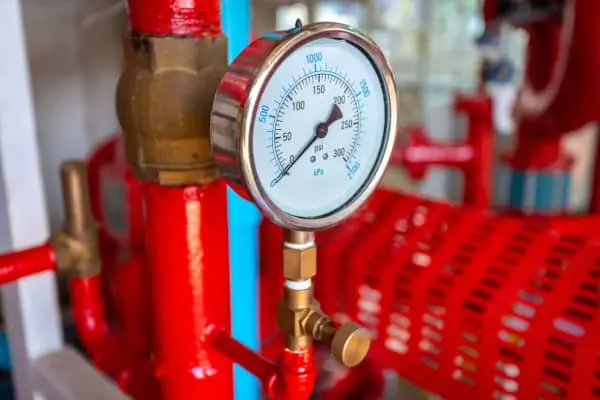
Sprinkler system pressure refers to the force that pushes water through the piping network and out of the sprinkler heads. It is typically measured in psi (pounds per square inch) or bar, and directly influences the velocity and distribution of water during a fire event.
The importance of pressure lies in its ability to ensure proper spray patterns. If the pressure is too low, water may not reach the fire effectively. If it is too high, it can damage system components or create inefficient dispersion.
This balance is what drives optimal sprinkler performance, ensuring that water coverage matches the hazard level of the protected area.
How Pressure Drives Fire Suppression
In automatic fire suppression systems, pressure determines how quickly and effectively water is deployed. When a sprinkler head activates, it relies entirely on the system’s pressure to distribute water in a controlled pattern.
This is not a random process. It is engineered through fire system hydraulic calculations, which account for:
- Pipe size and layout
- Elevation differences
- Friction losses within the system
These calculations ensure that even the most remote sprinkler head receives sufficient pressure to operate effectively.
Why Sprinkler System Pressure Matters in Saudi Arabia
Compliance with Local and International Standards
In Saudi Arabia, adherence to fire safety compliance standards is non-negotiable. The integration of NFPA standards into SBC 801 means that every system must meet strict pressure requirements before receiving Civil Defense approval.
Failure to meet these standards can lead to:
- Project delays
- Rejection during inspections
- Increased liability risks
More importantly, it compromises safety. In cities like Riyadh and Jeddah, where building density and scale are increasing, proper pressure ensures that fire incidents can be controlled before escalation.
For further understanding of regulatory frameworks, resources such as the Saudi Building Code National Committee provide detailed guidelines on compliance requirements.
Supporting High-Rise and Industrial Infrastructure
Modern developments in Saudi Arabia demand advanced commercial fire safety systems. High-rise buildings, warehouses, and industrial facilities all present unique challenges when it comes to maintaining pressure.
In tall structures, gravity and elevation changes significantly affect water pressure. Without proper zoning and regulation, upper floors may experience insufficient pressure, while lower levels may face excessive force.
This is where strategic fire sprinkler system design becomes essential. Engineers must design systems that maintain consistent pressure across all levels, ensuring uniform protection.
The Ideal Pressure Range for Sprinkler Systems
Standard Operating Pressure Explained
The typical operating range for sprinkler systems falls between 7 psi and 175 psi (0.5 to 12 bar). This range is not arbitrary. It is based on extensive testing and global standards that ensure both safety and efficiency.
At the lower end, 7 psi represents the minimum pressure required at the most remote sprinkler head. This ensures that water can still be delivered effectively even under worst-case conditions.
At the upper limit, 175 psi prevents system damage while maintaining strong water delivery. Exceeding this threshold can lead to pipe stress, leaks, or system failure.
Minimum vs Maximum Pressure Limits
Understanding the difference between minimum and maximum limits is critical for system performance.
Minimum pressure ensures activation and coverage. Without it, the system cannot perform its primary function. Maximum pressure, on the other hand, protects the infrastructure itself.
In high-risk environments, such as storage facilities or industrial plants, NFPA guidelines often impose stricter upper limits to prevent excessive force within the system.
How Sprinkler System Pressure Is Regulated
The Role of Fire Pumps
Pressure regulation begins with the fire pump system. In most installations, two types of pumps are used: the jockey pump and the main fire pump.
The jockey pump maintains steady pressure during normal conditions. It compensates for minor leaks or fluctuations, ensuring that the system remains ready at all times.
The main fire pump activates during a fire event, delivering high-pressure water to meet demand. This coordinated operation ensures consistent pressure across the system.
For technical insights into pump standards, references such as NFPA 20 provide detailed specifications.
Pressure-Reducing Valves and Zoning
In large or multi-level buildings, maintaining uniform pressure requires additional control mechanisms. This is where pressure-reducing valves (PRVs) come into play.
PRVs regulate pressure within specific zones, preventing excessive force in lower levels while ensuring adequate pressure in higher areas.
This zoning approach is particularly important in Saudi Arabia’s high-rise developments, where elevation differences can significantly impact water pressure in fire protection systems.
The Science Behind Hydraulic Calculations
Why Calculations Matter
Behind every efficient system lies a set of precise calculations. Fire system hydraulic calculations determine how pressure behaves throughout the network, ensuring that every component functions as intended.
These calculations consider variables such as:
- Pipe diameter
- Flow rate
- Friction loss
- Elevation changes
The result is a system that delivers consistent pressure across all نقاط of operation.
Linking Design to Real-World Performance
Hydraulic calculations are not just theoretical. They directly influence how systems perform in real-world scenarios.
For example, in a warehouse with high storage racks, pressure must be sufficient to penetrate dense layouts and reach potential fire sources. In contrast, office spaces require broader coverage with controlled pressure levels.
This alignment between design and application ensures that automatic fire suppression systems operate effectively under all conditions.
The Role of Maintenance in Pressure Stability
Why Maintenance Cannot Be Ignored
Even the most well-designed system can fail without proper upkeep. Over time, factors such as corrosion, leaks, and component wear can affect pressure levels.
Regular fire protection system maintenance ensures that pressure remains within the required range, preventing unexpected failures.
Standards like NFPA 25 outline inspection and testing procedures to maintain system reliability.
Early Signs of Pressure Issues
Pressure-related problems often start small but can escalate quickly if ignored. Identifying early warning signs is key to maintaining system performance.
Common indicators include:
- Fluctuating pressure readings
- Delayed sprinkler activation
- Visible leaks or pipe damage
Addressing these issues early helps preserve optimal sprinkler performance and ensures compliance with safety standards.
Testing Sprinkler System Pressure in Real Conditions
Why Testing Is Critical for System Reliability
After understanding how sprinkler system pressure is designed and maintained, the next step is ensuring it performs under real conditions. Testing is not just a regulatory requirement. It is the only way to confirm that the system will respond effectively during an actual fire emergency.
In Saudi Arabia, testing plays a key role in Civil Defense approvals. Authorities require verification that systems meet both NFPA sprinkler guidelines and local SBC standards. Without proper testing, even a well-designed system cannot be considered reliable.
This is particularly important in environments exposed to extreme temperatures, where system components may degrade faster than expected.
Hydrostatic and Flow Testing Explained
Two primary testing methods are used to evaluate sprinkler system pressure. Hydrostatic testing checks the system’s integrity, while flow testing evaluates its operational performance.
Hydrostatic tests typically involve pressurising the system to around 200 psi for a minimum of two hours. This ensures that pipes, joints, and valves can withstand high pressure without leaks or failures.
Flow testing, on the other hand, simulates real-world fire conditions. It measures how pressure behaves when water is actively flowing through the system, providing insight into water pressure in fire protection systems during actual use.
For detailed testing standards, references such as NFPA 25 inspection guidelines outline recommended procedures and frequencies.
Inspection Frequency and Compliance Requirements
How Often Should Pressure Be Checked?
Maintaining compliance requires a structured inspection schedule. Pressure is not a one-time measurement. It must be monitored consistently to ensure long-term reliability.
In most systems, visual inspections are conducted monthly, focusing on gauges, valves, and visible components. More detailed evaluations, including flow tests, are typically performed quarterly or annually depending on system complexity.
This ongoing process ensures alignment with fire safety compliance standards, particularly in high-risk environments such as industrial facilities or large commercial buildings.
The Impact of Environmental Conditions
Saudi Arabia’s climate introduces additional challenges. High temperatures can affect water density, increase system stress, and accelerate wear on components.
These factors make regular inspections even more important. Systems that operate perfectly during installation may gradually lose efficiency if environmental conditions are not accounted for.
By integrating routine checks into fire protection system maintenance, organisations can ensure consistent pressure levels and avoid unexpected failures.
Common Sprinkler System Pressure Problems
Low Pressure and Its Consequences
Low pressure is one of the most critical issues in any fire protection system. When pressure drops below the required threshold, sprinkler heads may fail to deliver adequate water coverage.
This can result from several factors, including leaks, partially closed valves, or malfunctioning pumps. In some cases, poor fire sprinkler system design may also contribute to uneven pressure distribution.
The impact is immediate. Reduced pressure compromises the system’s ability to suppress fire, increasing the risk of damage and safety hazards.
High Pressure Risks and System Damage
While low pressure is dangerous, excessive pressure can be equally problematic. High pressure places stress on pipes, fittings, and valves, potentially leading to bursts or long-term damage.
In systems operating above recommended limits, components may degrade faster, increasing maintenance costs and reducing system lifespan.
Balancing pressure within the recommended range is therefore essential for both safety and durability, ensuring optimal sprinkler performance across all operating conditions.
Troubleshooting Pressure Issues Effectively
Identifying the Root Cause
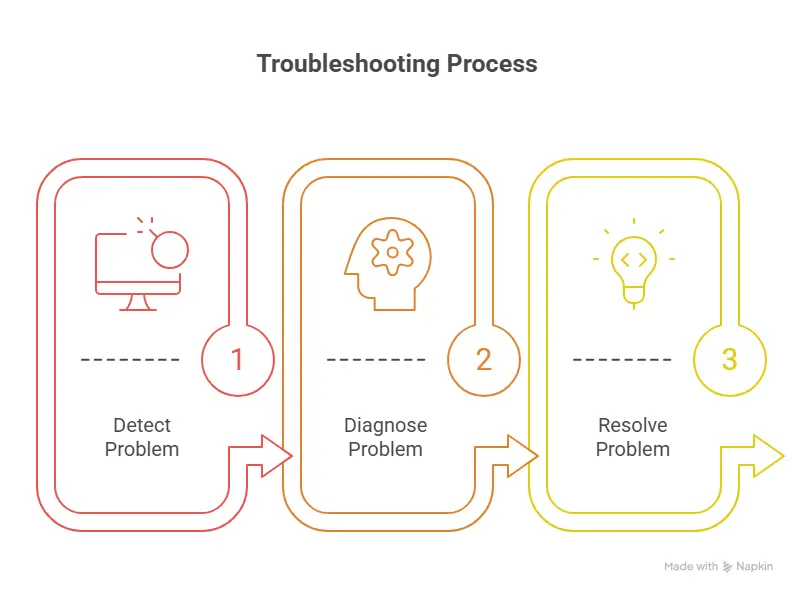
When pressure issues arise, the first step is accurate diagnosis. This requires a systematic approach that considers both mechanical and design-related factors.
Technicians typically begin by analysing pressure gauge readings across different نقاط in the system. This helps identify whether the issue is localised or system-wide.
Additional checks may include inspecting pumps, verifying valve positions, and examining pipes for leaks or blockages. Each step contributes to a clearer understanding of the underlying problem.
Modern Monitoring and Smart Solutions
With advancements in technology, many facilities are now adopting smart monitoring systems to track pressure in real time. These systems use sensors and IoT integration to detect fluctuations and provide early warnings.
This proactive approach allows organisations to address issues before they escalate. It also enhances compliance with commercial fire safety systems requirements, particularly in large-scale developments.
For insights into smart infrastructure trends, resources like McKinsey’s smart building research highlight how technology is transforming building management systems.
Pressure Differences in Wet and Dry Systems
How Wet Systems Maintain Stability
Wet sprinkler systems are the most common type used in fire protection. In these systems, pipes are constantly filled with water, maintaining stable pressure levels at all times.
This consistency allows for immediate response when a sprinkler head is activated. The pressure is already present, enabling rapid water discharge.
Wet systems are particularly effective in environments where temperature conditions do not pose a risk of freezing, making them widely used in automatic fire suppression systems across Saudi Arabia.
Challenges in Dry and Pre-Action Systems
Dry and pre-action systems operate differently. Instead of water, pipes are filled with pressurised air or nitrogen. When a sprinkler head activates, the air is released, allowing water to flow into the system.
This transition requires precise pressure control. If the air pressure is not properly regulated, it can delay water delivery or disrupt system performance.
These systems are typically used in specialised environments, such as data centres or cold storage facilities, where water presence in pipes could pose risks.
The Role of System Design in Pressure Distribution
Designing for Efficiency and Safety
Effective fire sprinkler system design ensures that pressure is distributed evenly across the entire network. This involves careful planning of pipe layouts, pump capacities, and zoning strategies.
Engineers must account for factors such as building height, occupancy type, and hazard classification. Each of these elements influences how pressure behaves within the system.
The goal is to create a balanced system that delivers consistent performance, regardless of الظروف or operating conditions.
Elevation and Friction Loss Considerations
Two of the most important factors affecting pressure are elevation and friction loss. As water travels through pipes, it loses pressure due to resistance. This loss increases with distance and pipe complexity.
Elevation adds another layer of complexity. In high-rise buildings, water must overcome gravitational forces to reach upper مستويات, requiring additional pressure support.
Understanding these dynamics is essential for accurate fire system hydraulic calculations, ensuring that every part of the system receives adequate pressure.
Cost Implications of Managing Sprinkler System Pressure
Understanding the Financial Impact
Managing sprinkler system pressure is not only a technical responsibility but also a financial consideration. The cost of maintaining proper pressure levels extends beyond installation, influencing long-term operational efficiency and risk management.
In Saudi Arabia, where large-scale developments dominate the landscape, investing in reliable pressure systems is essential. Fire pumps, pressure-regulating equipment, and monitoring tools all contribute to the overall system cost. However, these investments are significantly lower than the potential losses caused by fire incidents or compliance failures.
From a strategic perspective, organisations that prioritise pressure management reduce both direct and indirect risks, ensuring business continuity and asset protection.
Balancing Initial Investment with Long-Term Savings
The cost of implementing pressure control systems can vary depending on building size, hazard classification, and system complexity. Fire pumps alone can exceed SAR 50,000, while advanced monitoring solutions may add an additional percentage to the total system cost.
However, these expenses should be viewed as preventive measures rather than optional upgrades. Poor pressure management can lead to system failures, costly repairs, or even legal penalties.
By aligning system design with sprinkler system pressure requirements, organisations can optimise performance while controlling long-term costs.
Compliance Risks and Regulatory Consequences
Why Compliance Is Non-Negotiable
In Saudi Arabia, compliance with fire safety regulations is strictly enforced. Authorities require systems to meet both NFPA sprinkler guidelines and SBC standards before approval is granted.
Failure to comply can result in serious consequences, including fines, project delays, or forced shutdowns. More importantly, non-compliance increases the risk of system failure during emergencies.
Organisations must ensure that pressure levels are verified through testing and documented according to regulatory requirements. This not only supports approval processes but also reinforces safety standards across operations.
For additional regulatory context, guidance from the International Fire Safety Standards Coalition highlights the global importance of consistent fire safety practices.
The Role of Civil Defense Approvals
Civil Defense authorities in Saudi Arabia play a critical role in verifying system performance. Pressure testing is a key component of their evaluation process, ensuring that systems meet operational requirements under real conditions.
This approval is not a one-time process. Facilities must maintain compliance through regular inspections and updates, particularly as systems age or undergo modifications.
By maintaining proper water pressure in fire protection systems, organisations can streamline approval processes and avoid unnecessary complications.
Advanced Strategies for Optimising Sprinkler System Pressure
Integrating Smart Monitoring Systems
As technology continues to evolve, smart monitoring solutions are becoming an essential part of modern fire protection strategies. These systems use sensors and real-time data analysis to track pressure levels continuously.
By identifying fluctuations early, organisations can address issues before they impact system performance. This proactive approach enhances reliability and reduces maintenance costs.
It also aligns with broader trends in smart infrastructure, where buildings are increasingly equipped with integrated monitoring systems to improve efficiency and safety.
Leveraging Data for Predictive Maintenance
Beyond real-time monitoring, data-driven insights enable predictive maintenance strategies. Instead of reacting to failures, organisations can anticipate potential issues based on pressure trends and system behaviour.
This approach transforms fire protection system maintenance from a reactive task into a strategic function. It ensures that systems remain within optimal pressure ranges, reducing downtime and extending equipment lifespan.
Research from sources like Deloitte’s smart infrastructure insights highlights the growing importance of predictive technologies in building management.
The Future of Sprinkler System Pressure Management
Adapting to Urban Growth and Vision 2030
Saudi Arabia’s Vision 2030 is driving rapid urban expansion, with new cities, industrial zones, and mega-projects reshaping the built environment. This growth places increased demands on fire protection systems, particularly in terms of scalability and reliability.
As buildings become more complex, maintaining consistent sprinkler system pressure will require advanced engineering solutions and integrated system designs.
This evolution highlights the importance of adopting modern technologies and best practices to ensure that fire protection systems remain effective in increasingly sophisticated environments.
Innovations in Fire Protection Technology
The future of fire protection lies in innovation. New technologies are being developed to enhance system performance, improve monitoring, and optimise pressure management.
These include intelligent valves, automated pressure regulation systems, and AI-driven analytics. Together, these advancements are redefining how commercial fire safety systems operate.
By embracing these innovations, organisations can ensure that their systems are not only compliant but also future-ready.
Practical Recommendations for Maintaining Optimal Pressure
Key Actions for Organisations
Maintaining optimal pressure requires a combination of design, monitoring, and maintenance strategies. While each system is unique, certain best practices apply across all environments.
- Conduct regular testing to verify pressure levels under real conditions
- Ensure proper calibration of pumps and pressure-regulating devices
- Implement smart monitoring systems for real-time tracking
These actions provide a strong foundation for maintaining reliable automatic fire suppression systems, ensuring consistent performance over time.
Connecting Pressure Management to Overall Fire Safety Strategy
Beyond Technical Performance
While sprinkler system pressure is a technical parameter, its impact extends far beyond engineering. It influences safety outcomes, regulatory compliance, and operational resilience.
Organisations that prioritise pressure management demonstrate a commitment to protecting both assets and lives. This aligns with the broader goals of fire safety, ensuring that systems perform effectively when needed.
The Role of Expertise in System Reliability
Achieving optimal pressure levels requires expertise. From design to maintenance, every stage of the process must be handled by qualified professionals who understand both technical requirements and regulatory frameworks.
Working with experienced providers ensures that systems are designed, tested, and maintained according to best practices. For organisations seeking expert guidance, exploring services such as DARS’s fire protection solutions can provide valuable support.
Conclusion: Why Sprinkler System Pressure Is the Backbone of Fire Safety
Throughout this guide, one point remains clear. Sprinkler system pressure is the backbone of any effective fire protection system. It determines how water is delivered, how fires are controlled, and how systems perform under pressure.
From design and testing to compliance and future innovation, every aspect of fire protection depends on maintaining the right pressure levels. In Saudi Arabia’s rapidly evolving landscape, this becomes even more critical.
By aligning with NFPA sprinkler guidelines, investing in proper system design, and adopting modern monitoring technologies, organisations can ensure that their fire protection systems are both reliable and compliant.
Ultimately, maintaining optimal pressure is not just about meeting standards. It is about safeguarding lives, protecting assets, and building a safer future.